
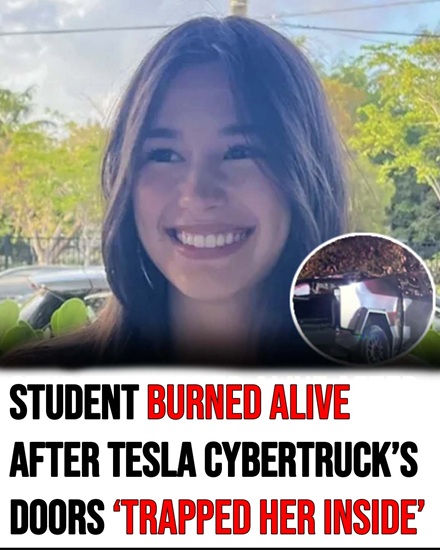
Fatal California Cybertruck Crash Sparks Lawsuits and Renewed Debate Over Vehicle Safety Systems
A tragic multi-fatality crash involving a Tesla Cybertruck in California has led to ongoing lawsuits and intensified public discussion about vehicle safety, emergency exit design, and post-crash survivability in modern electric vehicles.
Crash Occurred During Thanksgiving Travel Period
The incident reportedly took place on November 27, 2024, during the Thanksgiving holiday travel period, when a group of college-aged friends were traveling together in a Tesla Cybertruck in California.
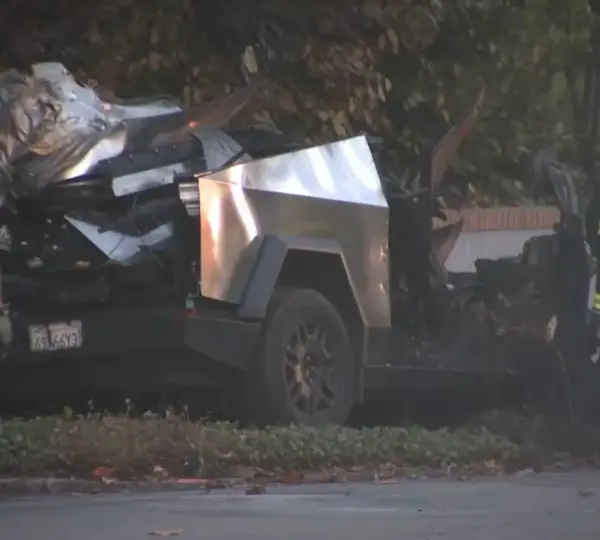
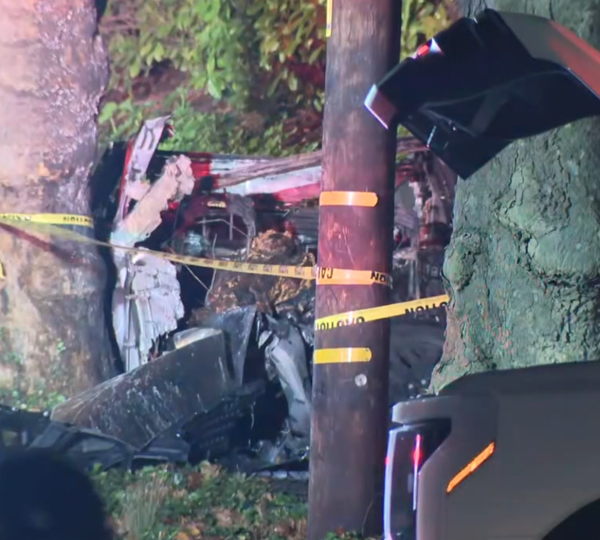
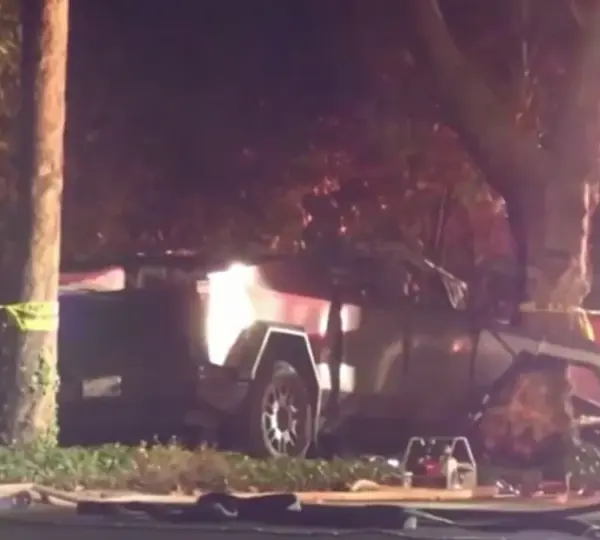
According to local authorities, the vehicle struck a retaining wall under circumstances still under investigation. Shortly after impact, the vehicle caught fire on a residential roadway, rapidly escalating the severity of the situation.
Emergency responders from the Piedmont Police Department later confirmed that they arrived to find a single vehicle fully engulfed in flames. Officials stated that multiple occupants were inside at the time of the crash.
Victims and Survivor Identified
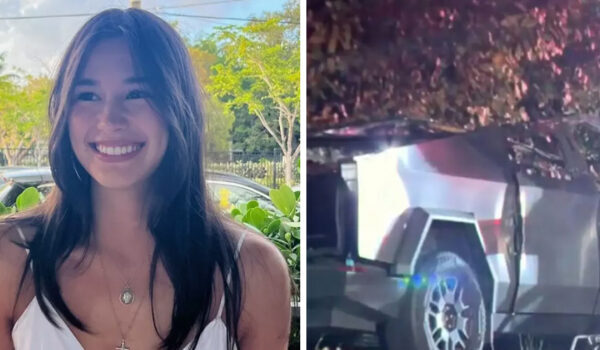
Authorities identified the individuals involved as Krysta Tsukahara, 19, the driver Soren Dixon, 19, and passenger Jack Nelson, 20. All three were recent graduates of Piedmont High School.
Reports indicate that a fourth individual, Jordan Miller, survived the incident after being pulled from the burning vehicle with the assistance of a passerby. According to accounts, the bystander used a tree branch to break a window repeatedly until access was gained, allowing the survivor to escape from the passenger area.
Investigation Findings and Contributing Factors
Early reporting from authorities suggested that impairment may have been a contributing factor in the crash. Toxicology findings referenced in related investigations reportedly indicated the presence of alcohol and drugs in some of the individuals involved, though official conclusions remain part of ongoing legal and investigative review.
Authorities have also cited speeding and impaired driving as contributing factors in preliminary highway reports. However, investigators continue to examine the full sequence of events leading up to the collision and fire.
Rapid Fire and Emergency Response Challenges
Officials noted that the fire spread quickly after impact, significantly limiting rescue possibilities. Emergency responders reported encountering extreme heat and heavy flames upon arrival, making immediate extraction of occupants extremely difficult.
The rapid development of the fire has become a central point in subsequent legal claims, particularly regarding whether occupants had sufficient time or ability to exit the vehicle after the crash.
Legal Claims and Wrongful Death Lawsuits
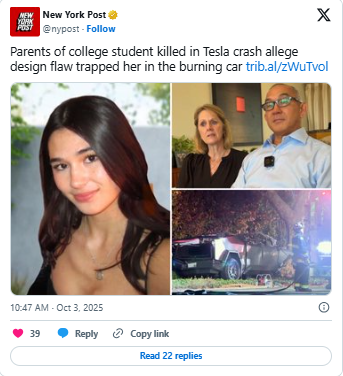
In the months following the incident, multiple wrongful death lawsuits were filed by the families of the victims. One of the lawsuits, filed by the family of Krysta Tsukahara, alleges that she initially survived the crash but later became trapped inside the vehicle as conditions worsened due to the fire.
The complaint argues that she was unable to exit the Cybertruck following the collision, citing concerns about potential electrical system failure affecting door functionality. It further alleges that attempts were made by a bystander to assist her escape, but access to the vehicle was severely limited by heat, damage, and fire conditions.
According to the filing, Tsukahara ultimately died from smoke inhalation and thermal injuries after being unable to exit the burning vehicle in time.
A separate wrongful death lawsuit filed by the family of Jack Nelson raises similar concerns, focusing on alleged post-crash entrapment and emergency escape limitations.
Allegations Concerning Vehicle Design and Escape Systems
Both lawsuits name Tesla and the estate of the vehicle owner as defendants, alleging that certain design elements of the Cybertruck may have contributed to the inability of occupants to exit safely after the crash.
The legal claims specifically raise concerns about electronic door mechanisms that depend on low-voltage power systems, arguing that such systems may become inoperable following severe collisions or electrical failures.
The filings also reference concerns about the placement and accessibility of manual door releases, particularly in emergency conditions involving smoke, disorientation, and extreme heat.
Attorneys representing the families argue that emergency escape mechanisms in modern vehicles should remain intuitive and easily accessible, even under catastrophic post-crash conditions.
Tesla Response and Ongoing Proceedings
Tesla, led by CEO Elon Musk, has not publicly admitted liability regarding the specific allegations raised in these lawsuits. The company has faced broader scrutiny in the past related to vehicle safety systems, though each incident is subject to independent investigation and legal evaluation.
As of now, the lawsuits remain active, and the case is still moving through the legal system. Investigators, engineers, and legal teams continue to review evidence, including crash data, vehicle design specifications, and emergency response reports.
Families Speak Out and Public Reaction
Family representatives have described the incident as deeply traumatic, calling for greater accountability and continued review of vehicle safety standards. Krysta Tsukahara’s family remembered her as a bright and accomplished young woman with significant academic potential and a promising future.
They expressed particular grief over the circumstances of her death, emphasizing the inability to exit the vehicle during the fire emergency.
The family of Jack Nelson has similarly raised concerns about emergency access in modern vehicle designs, particularly in high-impact crash scenarios where electrical systems may fail.
Broader Safety Debate on Modern Vehicle Design
The case has drawn widespread public attention amid growing debate over advanced automotive technologies, particularly in electric vehicles that rely heavily on electronic systems for core functions such as door operation and safety controls.
Introduced in late 2023, the Tesla Cybertruck has been the subject of extensive discussion regarding its unconventional design, engineering approach, and safety performance in real-world conditions.
This incident has intensified those discussions, especially around emergency extraction systems and the balance between innovative vehicle design and reliable physical access in life-threatening situations.
Legal representatives further argue that rear-seat passengers may face additional difficulty locating or operating manual release mechanisms during emergencies, particularly under stress, low visibility, and rapidly deteriorating conditions.
Continuing Investigation and Potential Impact
Authorities continue to investigate the crash, and no final legal determinations have been made. The outcome of the ongoing lawsuits and investigations may contribute to broader discussions about automotive safety standards, emergency design requirements, and future regulations for electric vehicles.
For now, the case remains a focal point in an evolving debate about how modern vehicles should perform not only in everyday use, but also in rare, high-severity emergency scenarios where seconds can determine survival.
The tragedy has left families grieving while also prompting renewed scrutiny of how safety systems function under catastrophic conditions—and whether current designs adequately protect occupants when multiple systems fail at once.

