
Behind the Scenes of a TV Classic: Little-Known Facts About MAS*H
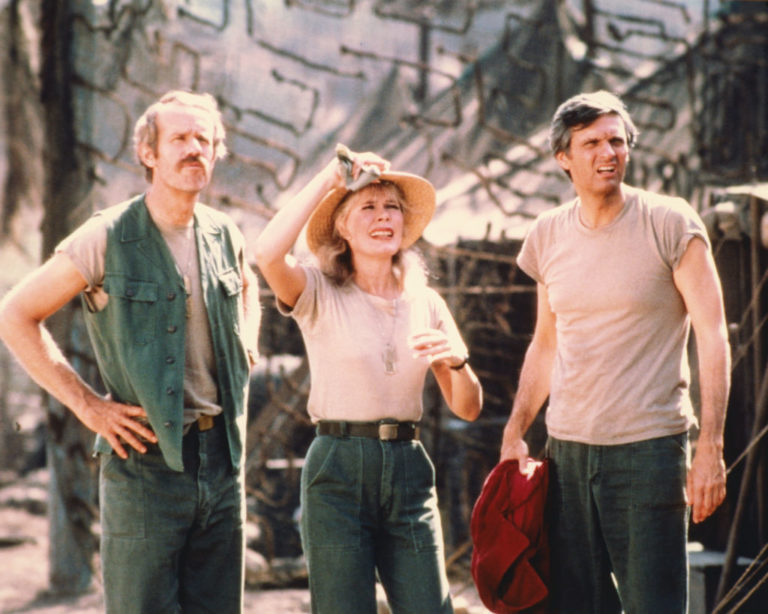
The iconic television series MAS*H remains one of the most celebrated productions in entertainment history, widely praised for its distinctive blend of humor, emotional storytelling, and insightful social commentary. Set against the backdrop of the Korean War, the series follows a group of dedicated doctors and nurses working in a mobile army surgical hospital, capturing both the harsh realities of wartime and the resilience of those who serve.
Premiering in the early 1970s, the show quickly evolved into a cultural phenomenon across the United States and internationally. Its final episode, aired in 1983, attracted record-breaking viewership and continues to hold its place as one of the most-watched television broadcasts in history. Even decades later, the series continues to engage new generations of viewers while maintaining a loyal and passionate fan base.
Beyond its critical acclaim and widespread popularity, the show offers a rich collection of behind-the-scenes insights, casting developments, and minor production inconsistencies that add depth to its legacy and intrigue long-time fans.
Behind-the-Scenes Challenges and Creative Solutions
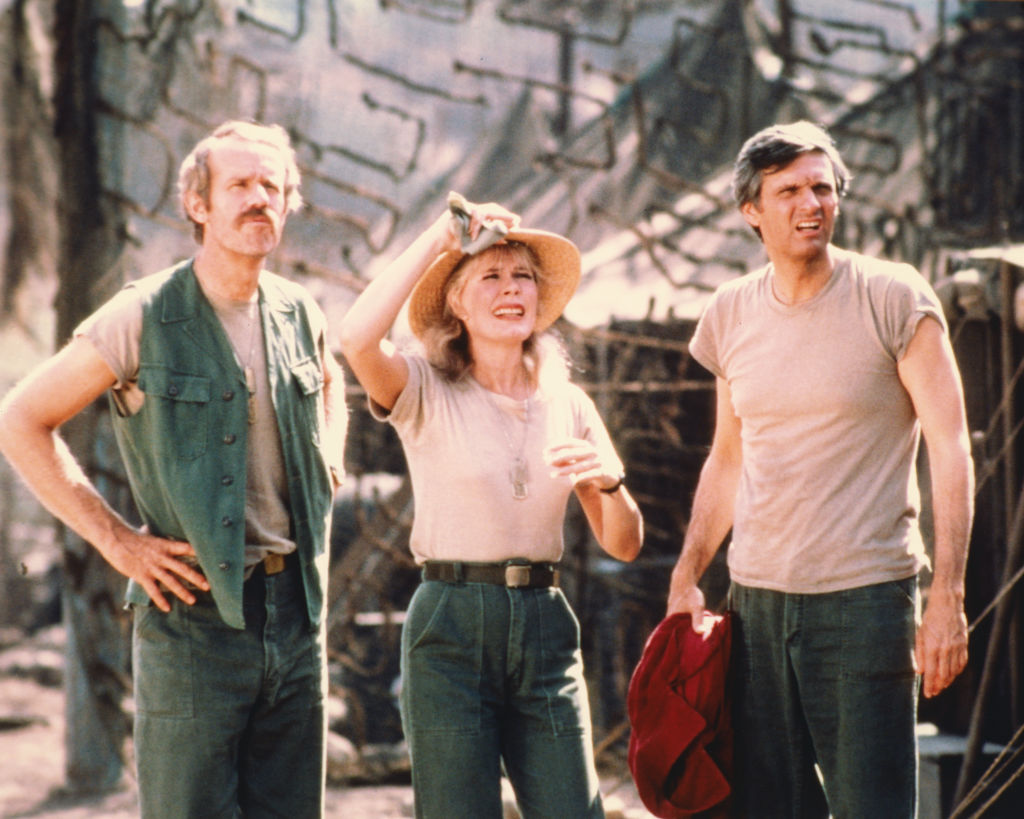
Throughout its production, the series encountered real-life challenges involving its cast members. Notably, William Christopher, who portrayed the compassionate Father Mulcahy, faced a serious health issue during filming. Rather than writing the character out of the storyline, Alan Alda took an innovative approach by incorporating elements of the situation into the script.
This thoughtful decision not only preserved a beloved character but also demonstrated the strong sense of collaboration and support that defined the show’s production environment. It stands as a testament to the creativity and adaptability of the cast and crew.
Casting Surprises and Audience Influence
Another compelling aspect of the series lies in how audience response influenced casting decisions. Jamie Farr, known for his portrayal of Max Klinger, was originally scheduled for a brief, one-time appearance. However, his performance resonated so strongly with viewers that producers expanded his role into a regular character.
This evolution highlights the dynamic relationship between the show and its audience, where viewer engagement played a direct role in shaping the series’ direction and character development.
Memorable Moments and Bold Storytelling
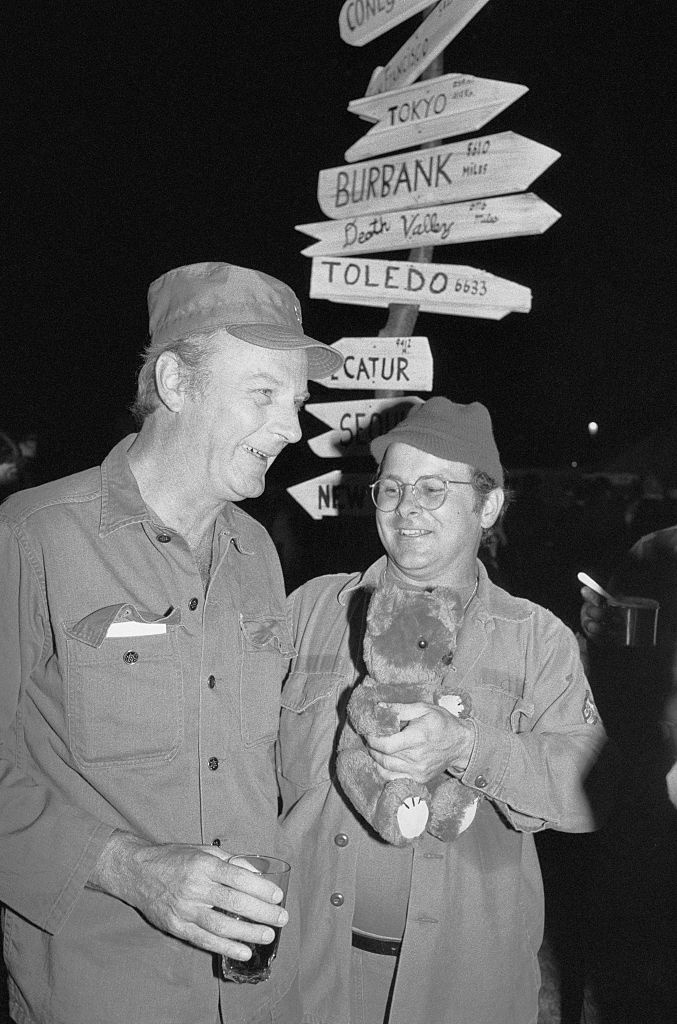
The series gained recognition for its willingness to take creative risks, particularly in its storytelling. One of the most impactful moments involved the departure of Lieutenant Colonel Blake, portrayed by McLean Stevenson. The unexpected nature of this storyline marked a turning point in television history, as it challenged conventional approaches to character exits.
At the time, such a dramatic development was rare in primetime television. The decision underscored the show’s commitment to portraying the unpredictability and seriousness of war, even within a format that often relied on humor.
Attention to Detail — and Occasional Oversights
While the show is widely praised for its quality and authenticity, attentive viewers have identified occasional historical inconsistencies. Certain props, references, or details did not always align perfectly with the timeline of the Korean War.
Rather than detracting from the experience, these minor oversights have become part of the show’s enduring charm. For many fans, spotting these details adds an additional layer of enjoyment when revisiting episodes.

Character Development and Narrative Depth
A defining strength of the series lies in its rich character development. Alan Alda’s portrayal of Hawkeye Pierce remains one of the most memorable in television history, combining sharp wit with emotional complexity. As the series progressed, the character evolved significantly, reflecting deeper themes and a more nuanced narrative approach.
Similarly, Loretta Swit delivered a standout performance as Margaret Houlihan. Initially portrayed as a strict and disciplined military nurse, her character gradually developed into a more layered and empathetic figure. This transformation mirrored the show’s broader transition from light comedy to a more balanced mix of humor and drama.

A Legacy That Endures
The lasting appeal of MAS*H lies in its ability to seamlessly combine entertainment with meaningful storytelling. Its exploration of friendship, resilience, and the human cost of conflict continues to resonate with audiences worldwide.
While behind-the-scenes anecdotes and minor production inconsistencies provide additional insight, they do not diminish the series’ impact. Instead, they enrich its legacy, offering fans a deeper appreciation for the craftsmanship behind the show.
Today, MAS*H stands as a landmark in television history—one that not only entertained millions but also redefined storytelling standards. Its influence continues to be felt across the industry, solidifying its place as a timeless classic that remains relevant and engaging for generations to come.

