
10 of the World’s Most Dangerous Foods — and Why People Still Eat Them
For most people, food represents nourishment, enjoyment, and a sense of comfort. It is something that brings people together, supports health, and reflects culture and tradition. However, not all foods are entirely harmless. Around the world, there are certain ingredients and dishes that can pose serious health risks if they are not prepared correctly or consumed under specific conditions.
Despite the potential dangers, these foods continue to be part of everyday diets or cultural traditions. In many cases, they are deeply rooted in local customs, valued for their taste, or relied upon as essential sources of nutrition. Understanding both the risks and the reasons behind their continued use offers a clearer perspective on how food, culture, and survival intersect.
Cassava: A Staple With Hidden Risks
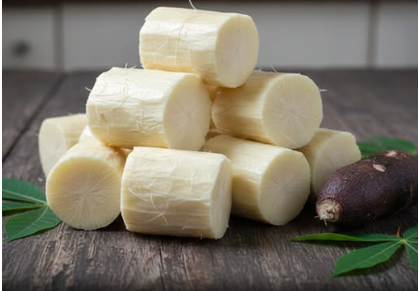
Cassava is a widely consumed root vegetable that plays a crucial role in the diets of millions of people, particularly in tropical regions. At first glance, it appears to be a simple and unremarkable food source. However, both its roots and leaves naturally contain compounds known as cyanogenic glycosides.
When cassava is eaten raw or not processed correctly, these compounds can convert into cyanide, a highly toxic substance. Exposure to cyanide can lead to serious health problems, including paralysis, thyroid issues, and in extreme cases, death.
Even so, cassava remains a staple food for more than 800 million people across dozens of countries. Its importance comes from its resilience and accessibility. The plant grows well in poor soil conditions, withstands drought, and provides a reliable source of carbohydrates. When properly prepared—through soaking, fermenting, drying, or cooking—the harmful compounds are significantly reduced, making it safe for consumption. For many communities, cassava is not simply a dietary choice but a necessity.
Fugu: A Delicacy That Demands Precision
Fugu is one of the most well-known dangerous foods in the world. This Japanese delicacy is made from pufferfish, which contains tetrodotoxin, a powerful neurotoxin that can be fatal even in small amounts.
Consumption of improperly prepared fugu can lead to numbness, paralysis, and respiratory failure. One of the most concerning aspects of this toxin is that it can leave a person fully conscious while their body loses the ability to function.
Despite the risks, fugu continues to be served in Japan and is considered a high-end culinary experience. Strict regulations are in place, and only chefs who have undergone extensive training and certification are permitted to prepare it. For many diners, the appeal lies not only in the flavor but also in the exclusivity and skill involved in its preparation.
Starfruit: Safe for Some, Dangerous for Others
Starfruit is known for its distinctive shape and refreshing taste. For most people, it is a healthy and nutritious fruit, rich in vitamin C and antioxidants.
However, for individuals with kidney disease, starfruit can be extremely dangerous. It contains neurotoxins that are normally filtered out by healthy kidneys. When the kidneys are not functioning properly, these toxins can accumulate in the body and lead to serious complications, including confusion, seizures, and in severe cases, death.
This contrast highlights how the safety of certain foods can depend heavily on an individual’s health condition rather than the food itself.
Fruit Seeds and Pits: A Hidden Source of Cyanide
The seeds and pits of common fruits, such as cherries and apples, may seem harmless but contain a compound called amygdalin. When crushed or chewed, amygdalin can release cyanide.
Apple seeds and Cherry pits are generally safe if swallowed whole, as they pass through the body without being broken down. However, consuming them in large quantities or crushing them before ingestion can lead to symptoms such as dizziness, nausea, and breathing difficulties.
While the risk is low in typical consumption, awareness is important to prevent accidental overexposure.
Potatoes: A Common Food With a Toxic Side
Potato is one of the most widely consumed foods in the world. Under normal conditions, it is completely safe and highly nutritious. However, when potatoes are exposed to light, they can develop a green tint due to chlorophyll production.
This change is often accompanied by an increase in solanine, a naturally occurring toxin. High levels of solanine can cause symptoms such as nausea, vomiting, and in rare cases, more serious neurological effects.
Removing the green portions and avoiding heavily sprouted potatoes can significantly reduce any potential risk.
Cashews: Not Always as Innocent as They Seem
Cashew is commonly enjoyed as a snack or ingredient in many dishes. However, raw cashews in their natural state contain urushiol, the same substance found in poison ivy.
Contact with urushiol can cause skin irritation and allergic reactions. For this reason, cashews sold commercially are not truly raw. They undergo processing and heat treatment to remove the toxin, making them safe to eat.
This example shows how proper processing can transform a potentially harmful food into a widely enjoyed product.
Nutmeg: A Spice That Requires Moderation
Nutmeg is often used in small amounts to enhance the flavor of desserts and beverages. While it is safe in culinary quantities, consuming it in large amounts can have serious effects.
Nutmeg contains myristicin, a compound that can affect the nervous system. High doses may lead to symptoms such as hallucinations, rapid heart rate, nausea, and in rare cases, prolonged psychological effects.
This highlights the importance of moderation, even with familiar ingredients.
Wild Mushrooms: A Risky Choice Without Expertise
Death cap mushroom is one of the most dangerous fungi known. It contains toxins that can cause severe organ failure and death, even in small amounts.
The challenge with wild mushrooms is that many toxic varieties closely resemble edible ones. Without expert knowledge, it can be extremely difficult to distinguish between them.
While mushrooms sold in stores are cultivated and safe, foraging in the wild carries significant risks unless guided by experienced individuals.
Rhubarb Leaves: A Toxic Contrast
Rhubarb is commonly used in desserts such as pies and jams. The stalks are safe and widely enjoyed, but the leaves contain oxalic acid, which can be toxic if consumed in large quantities.
Ingesting rhubarb leaves can lead to serious health issues, including kidney problems. Proper preparation involves using only the edible stalks and discarding the leaves entirely.
Kidney Beans: Safe Only When Properly Cooked
Kidney beans are a nutritious and versatile ingredient used in many dishes around the world. However, when raw or undercooked, they contain a toxin called phytohaemagglutinin.
This toxin can cause severe digestive symptoms, including nausea and vomiting. Cooking the beans thoroughly—especially boiling them for an adequate amount of time—eliminates the and makes them safe to eat.
Interestingly, cooking them at low temperatures without proper boiling can increase toxicity rather than reduce it.
Why These Foods Continue to Be Consumed
Despite the risks associated with these foods, they remain part of diets and traditions worldwide for several reasons. In many cases, proper preparation methods effectively remove or reduce the dangers, allowing people to enjoy them safely.
Cultural significance also plays a major role. Foods like fugu are deeply tied to culinary heritage and are valued for their uniqueness. Others, such as cassava, are essential for survival in regions where food options are limited.
Additionally, familiarity and tradition often outweigh perceived risks. When people grow up consuming certain foods safely, they are more likely to continue doing so with confidence.
A Balance Between Risk and Knowledge
The existence of potentially dangerous foods does not mean they should be avoided entirely. Instead, it highlights the importance of knowledge, preparation, and awareness. Understanding how to handle and consume these foods safely allows people to benefit from them without unnecessary risk.
In the end, food reflects more than just nutrition. It represents culture, history, and human adaptability. Even the most dangerous foods can become safe and meaningful parts of daily life when approached with care and respect.

