
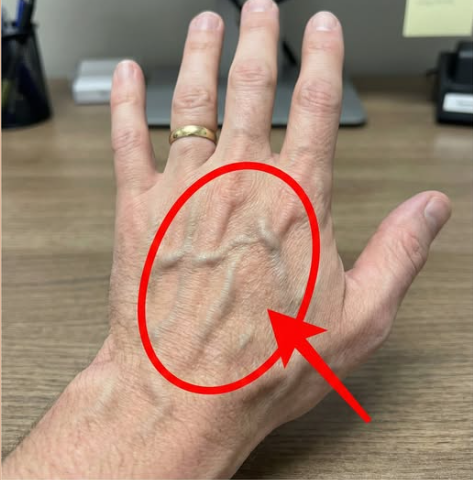
Many people notice prominent or bulging veins on their hands, legs, or feet and become concerned that it may signal a health problem. In most cases, visible veins are harmless and are linked to everyday factors such as physical activity, lighter skin tone, warm temperatures, tight clothing, or the natural aging process. Genetics and excess body weight can also make veins more noticeable beneath the skin.
However, there are situations where enlarged or twisted veins—especially in the legs—may indicate an underlying vein condition or a more serious issue, including the risk of Blood clots. When bulging veins are accompanied by symptoms such as pain, swelling, or changes in skin color, it is important to seek medical advice.
How Bulging Veins Develop
Veins play a key role in circulation by carrying oxygen-poor blood back to the heart. Inside these vessels are small one-way valves that help blood move upward against gravity. When these valves weaken or become damaged, blood can begin to collect inside the vein instead of flowing efficiently.
Over time, this buildup increases pressure within the vein. As a result, the vein walls may stretch, twist, and become more prominent under the skin. This process is a common cause of visible or bulging veins.
Blood Pooling, Spider Veins, and Varicose Veins
Blood pooling can affect veins of different sizes and lead to distinct conditions.
Spider veins occur in small blood vessels close to the surface of the skin. They often appear as thin, web-like lines in red, blue, or purple shades. These veins typically remain flat and are most commonly seen on the face or legs. In most cases, they are considered a cosmetic concern and do not cause physical discomfort.
Varicose veins, on the other hand, involve larger veins that become swollen, twisted, and raised above the skin. These are the bulging veins most often noticed on the legs and feet. Unlike spider veins, they are more likely to cause symptoms and may lead to complications if left untreated.
Other Factors That Contribute to Bulging Veins
Several everyday factors can increase the likelihood of veins becoming more visible:
Aging naturally weakens vein walls and valves, making veins more noticeable over time.
Hormonal changes, including those related to pregnancy, menopause, or hormonal birth control, can affect vein structure and circulation.
Long periods of sitting or standing can make it more difficult for blood to flow back to the heart, increasing pressure in the veins.
Excess body weight places additional strain on the veins in the legs, which can interfere with proper blood flow.
Recognizing Symptoms of Varicose Veins
Varicose veins are often accompanied by noticeable symptoms, particularly in the lower body. These may include:
Aching, heaviness, or throbbing sensations in the legs
Burning feelings or muscle cramps
Fatigue or restlessness after long periods of inactivity
Swelling in the ankles or lower legs
Itching or irritation around the affected veins
Changes in skin color or a thickened texture near the veins
These symptoms often become more pronounced later in the day and may improve with rest or by elevating the legs.
Risk Factors for Vein Conditions
Certain factors can increase the likelihood of developing visible or problematic veins:
Family history plays a significant role, as vein conditions often run in families.
Women are more likely than men to develop vein issues, largely due to hormonal influences.
Carrying excess weight increases pressure on the veins, particularly in the legs.
Age is another important factor, with the risk increasing over time as vein structures weaken.
Potential Complications of Untreated Vein Issues
While spider veins are usually harmless, untreated varicose veins can lead to more serious conditions such as Chronic venous insufficiency. This occurs when blood has difficulty returning to the heart, leading to ongoing swelling and skin changes.
Other possible complications include:
Venous ulcers, which are slow-healing sores that often develop near the ankles due to poor circulation
Deep vein thrombosis, a serious condition involving blood clots in deeper veins
Pulmonary embolism, which can occur if a clot travels to the lungs and blocks blood flow
These conditions require immediate medical attention and should not be ignored.
Ways to Support Healthy Veins
Although factors like age and genetics cannot be changed, certain lifestyle habits can help support vein health and reduce risk:
Regular physical activity, such as walking, helps improve circulation.
Avoiding long periods of sitting or standing by taking breaks to move or stretch can reduce pressure on veins.
Maintaining a healthy weight can lessen strain on the lower body.
Wearing compression stockings during long periods of inactivity, such as travel, may help support blood flow.
Elevating the legs while resting can assist circulation.
Avoiding tight clothing around the waist, thighs, or legs can prevent unnecessary pressure on veins.
When to Seek Medical Advice
Spider veins typically do not require treatment unless there is a desire to remove them for cosmetic reasons. However, medical attention is recommended if any of the following symptoms occur:
Sudden or severe pain, swelling, or warmth in the leg
Open sores or wounds that do not heal properly
Bleeding from a swollen vein
Noticeable changes in skin color or texture
Persistent discomfort, heaviness, or cramping that affects daily life
If there are concerns about visible or bulging veins, consulting a healthcare professional or specialist can help determine the cause and provide appropriate guidance. Early evaluation can reduce the risk of complications and improve overall comfort and quality of life.

