Blood Blisters: Causes, Symptoms, Treatment, and Safe Healing Guide
Understanding What a Blood Blister Is
A blood blister is a type of skin injury that can appear suddenly and often looks more serious than it actually is. Unlike common blisters filled with clear fluid, a blood blister contains blood that becomes trapped beneath the skin’s outer layer.
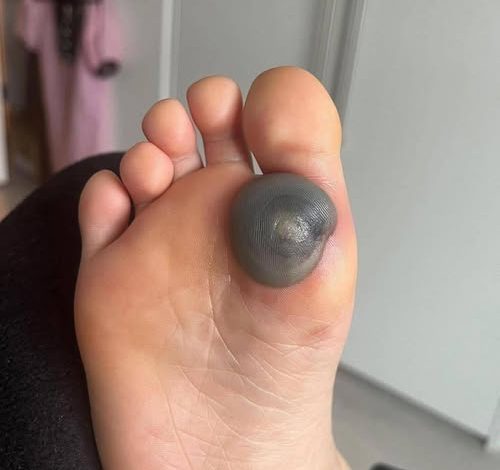
This trapped blood gives the blister its characteristic dark red, purple, or almost black appearance. Because of this coloration, blood blisters can appear alarming, especially when they form in visible or sensitive areas of the body.
Despite their appearance, most blood blisters are not dangerous. In many cases, they are minor injuries that heal naturally when properly protected and left undisturbed.
They typically develop as the body’s response to localized trauma, where the skin remains intact but the structures underneath are affected.
How Blood Blisters Form in the Body
Blood blisters form when small blood vessels beneath the skin, known as capillaries, are damaged due to pressure, friction, or sudden injury. When these vessels break, blood leaks into the surrounding tissue.
At the same time, the outer layer of skin remains unbroken, which traps the blood beneath it. This creates a raised pocket that appears swollen and dark in color.
The body essentially creates a protective cushion over the injured area, sealing it off while healing begins underneath.
The size and discomfort of a blood blister can vary depending on the intensity of the injury and the sensitivity of the affected area.
Common Causes of Blood Blisters
Blood blisters can develop in a variety of everyday situations where the skin is exposed to repeated friction or sudden force. One of the most common causes is accidental pressure, such as slamming a finger in a door or closing something too quickly on the skin.
Footwear-related friction is another frequent cause. Shoes that are too tight or poorly fitted can rub against the skin over time, especially during walking or physical activity, leading to blister formation on the feet or heels.
Repetitive movement is also a major factor. Activities such as sports, manual labor, or extended use of tools can create continuous pressure on specific areas of the hands or feet.
Using tools without protective gloves can increase the risk, as the skin is exposed directly to repeated stress and friction.
Blood blisters may also develop inside the mouth. This can happen due to accidental biting, irritation from dental procedures, or friction caused by braces or other dental appliances.
In all cases, the underlying cause is the same: small blood vessels are damaged while the surface of the skin remains intact.
Recognizing the Symptoms of a Blood Blister
Blood blisters are usually easy to identify due to their distinct appearance. The most noticeable sign is a raised bump filled with dark red, purple, or black fluid beneath the skin.
The area may feel tender or painful, especially when pressure is applied. This discomfort is often mild to moderate and tends to decrease as healing begins.
Mild swelling around the blister is also common, as the surrounding tissue reacts to the injury.
In most cases, symptoms remain stable and improve gradually over several days. Blood blisters typically begin healing on their own within one to two weeks, depending on their size and location.
As healing progresses, the trapped blood is slowly absorbed by the body, and the discoloration fades over time.
The Healing Process Explained
The body treats a blood blister as a protective response to minor injury. Once the skin is sealed over the damaged area, the body begins repairing underlying tissues.
Over time, the trapped blood is gradually broken down and absorbed. This process causes the blister to shrink and change color as it heals.
The outer skin layer serves as a natural barrier, shielding the area from bacteria and external irritation while new tissue forms underneath.
Because of this natural protective mechanism, most blood blisters resolve without medical intervention when left intact and protected from further damage.
Should a Blood Blister Be Popped?
Medical guidance generally advises against popping a blood blister. The outer layer of skin covering the blister acts as a natural protective barrier.
This barrier helps prevent bacteria from entering the wound and reduces the risk of infection during the healing process.
When a blister is opened prematurely, the underlying tissue becomes exposed, increasing the chance of complications and slowing recovery.
If a blood blister breaks on its own, basic care becomes important to support healing. The area should be gently cleaned with soap and water to remove any debris or bacteria.
An antiseptic can be applied afterward, followed by a clean bandage to protect the area and reduce irritation.
Keeping the area dry and avoiding further pressure helps the skin heal more efficiently.
Safe Home Care Practices
Most blood blisters can be managed safely at home with simple protective care. One of the most important steps is reducing pressure on the affected area to prevent further irritation.
Applying a cold compress for short periods can help reduce swelling and provide temporary relief from discomfort.
Wearing comfortable footwear or protective gloves can also help prevent additional friction, especially if the blister is located on the hands or feet.
Avoiding activities that repeatedly stress the area supports faster healing and reduces the likelihood of the blister worsening.
For blood blisters inside the mouth, care focuses on minimizing irritation. Rinsing gently with warm salt water helps keep the area clean.
It is also helpful to avoid foods that are spicy, acidic, or sharp in texture, as these can aggravate the sensitive tissue.
Maintaining good oral hygiene supports the natural healing process and reduces discomfort.
When Medical Attention May Be Needed
Although blood blisters are usually harmless, there are situations where medical evaluation may be necessary.
If a blister becomes increasingly painful or shows signs of infection, such as redness, warmth, or pus, it may require professional care.
Medical attention is also recommended if the blister continues to grow larger instead of healing or does not improve after two weeks.
Repeated or unexplained blood blisters may indicate an underlying issue that should be assessed further.
Individuals with conditions affecting circulation, blood clotting, or diabetes should be especially cautious, as healing may be slower or more complex.
Preventing Blood Blisters
Prevention focuses on reducing friction and protecting the skin from unnecessary pressure. Properly fitted footwear plays an important role in preventing blisters on the feet.
Using protective gloves during manual tasks helps shield the hands from repeated rubbing and strain.
Cushioning sports equipment or high-friction areas can also reduce the risk during physical activity.
Keeping the skin healthy and moisturized helps maintain its resilience, making it less prone to damage under pressure.
Managing underlying health conditions supports overall skin integrity and healing ability, further reducing the likelihood of recurring issues.
The Overall Perspective on Blood Blisters
Most blood blisters are minor injuries that heal naturally without the need for invasive treatment. While their appearance can be concerning, they are typically part of the body’s normal protective response to trauma.
Understanding how they form and how they heal can reduce unnecessary worry and encourage appropriate care.
Attention becomes important when symptoms are unusual, healing is delayed, or blisters occur repeatedly without a clear cause.
In such cases, seeking professional evaluation ensures that any underlying concerns are addressed early.
Overall, blood blisters are usually temporary and self-resolving, with the body gradually restoring the affected area through its natural healing process.
