
The question of what happens after death has long captured human curiosity. Across cultures and generations, people have sought to understand whether consciousness continues beyond the physical body or if death marks a final end. This curiosity has shaped religious beliefs, philosophical discussions, and scientific investigations, yet no single explanation has been universally accepted.
Different traditions offer different interpretations. Some believe in an afterlife defined by spiritual teachings, where the soul continues in another realm. Others view death as a natural biological conclusion, where bodily functions cease and consciousness ends. Between these viewpoints lies an area of growing interest: near-death experiences, often described by individuals who have come close to dying and later recovered.
These experiences are frequently reported during life-threatening situations, such as cardiac arrest, severe illness, or traumatic injury. People who have gone through them often describe vivid sensations, emotional intensity, and sometimes detailed narratives of what they perceived while unconscious. While science continues to examine these reports, many aspects remain difficult to fully explain.

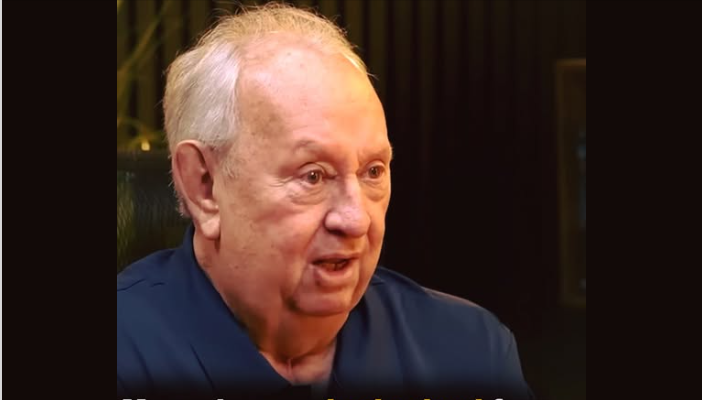
One such account comes from Robert Marshall, who has publicly shared his experience following a severe medical emergency in 2024. His story has drawn attention through interviews and online platforms, particularly after he discussed it on the Next Level Soul Podcast.
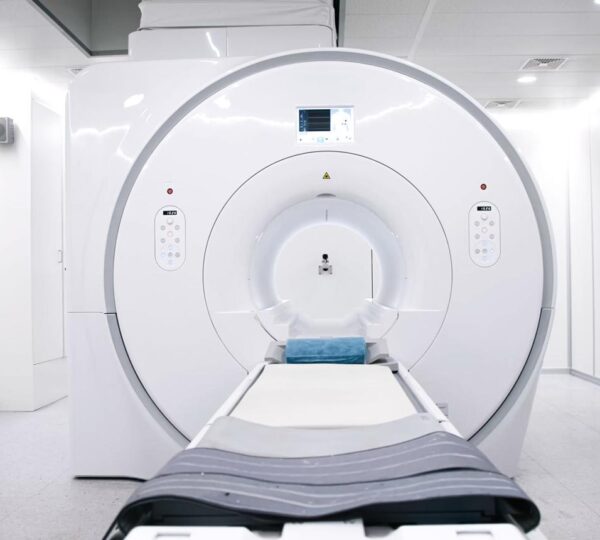
According to his account, his health issues began with a serious physical condition involving a large, swollen mass on his neck. This swelling affected his breathing, prompting him to seek medical care. Doctors conducted various tests, including imaging scans and blood analysis, to determine the cause. At that stage, while the condition was considered serious, it was not initially described as immediately life-ending.
However, his health rapidly worsened. He later described experiencing a critical medical crisis that required urgent intervention. During this period, he reported multiple “code blue” events—a term used in hospitals to signal cardiac arrest or a life-threatening emergency requiring immediate resuscitation.
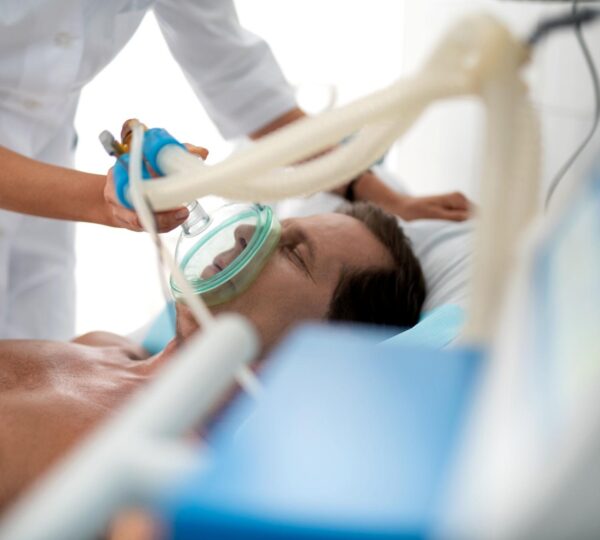
As part of his treatment, he was placed into a coma-like state that lasted several days. According to his account, medical complications included respiratory failure and heart-related issues. He described his condition as acute hypoxic respiratory failure, a medically recognized state in which the body does not receive enough oxygen. This can lead to serious consequences, including organ damage and altered brain function.
From a medical perspective, such conditions are extremely dangerous. Oxygen deprivation can affect the brain in complex ways, sometimes leading to hallucinations, memory gaps, or altered perceptions of reality. These effects are often studied in the context of near-death experiences.
While in this unconscious state, Robert believes he experienced something beyond physical reality. He describes the event not simply as a near-death experience, but as what he personally interprets as an actual death followed by a spiritual encounter.
It is important to clarify that in clinical medicine, death is defined using specific criteria, including the cessation of brain activity and vital functions. Patients who are revived after cardiac arrest or coma are typically considered to have been in a life-threatening state rather than permanently deceased.
Despite this distinction, Robert maintains that his experience went beyond a typical near-death event. He stated that he felt as though he had been “gone” for several days, a perception that reflects his personal interpretation of the experience.
During this time, he described entering a realm that felt vivid and real. He recalled scenes filled with natural beauty, including large oak trees, open landscapes, and an environment that felt calm and welcoming. Such imagery is commonly reported in similar experiences, where individuals describe peaceful or visually striking surroundings.
Another aspect he emphasized was the emotional intensity. He spoke of a deep sense of peace and love, describing these feelings as far stronger than anything he had experienced in everyday life. Researchers studying near-death experiences often note that individuals report overwhelming calmness, reduced fear, and a sense of connection.

In Robert’s account, the experience also included an encounter with a figure he identified as Jesus Christ. This element reflects his personal religious beliefs. Encounters with spiritual or religious figures are often shaped by an individual’s cultural background and prior faith.
He described feeling a strong emotional awareness of his family during this experience. In particular, he believed he could sense the distress of his wife as she remained by his side during his medical crisis. This perception strengthened his desire to return to life.
According to his account, he expressed a wish to go back. This theme is frequently reported in near-death narratives, where individuals describe feeling a pull between remaining in the experience and returning to their physical bodies due to personal connections or responsibilities.
He stated that the figure he identified as Jesus communicated with him, offering what he interpreted as guidance and reassurance. He recalled being told that his body had suffered significant damage, particularly to his brain, due to the lack of oxygen.
Medically, prolonged oxygen deprivation can indeed affect brain function, though recovery varies depending on many factors, including the duration and severity of the condition. Some patients recover fully, while others experience lasting effects.
Robert believes that he was promised healing and restoration. He later regained consciousness, which he interprets as connected to this experience. From a medical standpoint, recovery from critical illness can occur through a combination of treatment, supportive care, and the body’s resilience.
Following his recovery, Robert shared his story publicly and later expanded on it in a book. He describes the experience as life-changing, influencing his beliefs, priorities, and outlook on life.
Stories like his often resonate with people because they address universal questions about existence and what may lie beyond death. However, experts in neuroscience and critical care urge caution when interpreting such accounts as evidence of an afterlife.
Scientific research suggests that the brain, when under extreme stress, can produce vivid and immersive experiences. Changes in oxygen levels, brain chemistry, and neural activity may contribute to sensations that feel real and meaningful.
These experiences may include visual imagery, emotional intensity, and even perceived conversations or encounters. While they can feel profound, they are generally understood within science as part of the brain’s response to extreme conditions.
At the same time, individuals who go through such experiences often describe lasting personal changes. Many report a greater appreciation for life, stronger emotional connections, and a shift in priorities. Robert has described similar outcomes, emphasizing gratitude and a renewed sense of purpose.
His willingness to share his story has contributed to broader discussions about consciousness and human perception. Platforms such as podcasts, books, and social media have made it easier for these accounts to reach large audiences.
Reactions to such stories vary. Some people view them as meaningful insights into the human experience, while others emphasize the importance of evidence-based understanding. This range of perspectives reflects the complexity of the topic.
Near-death experiences cannot easily be explained by a single theory. They involve a combination of biological processes, psychological interpretation, and personal belief. Each account is shaped by the individual’s background, making every experience unique.
Robert’s story reflects this complexity. It blends a serious medical crisis with a deeply personal interpretation of events. While science continues to study these phenomena, it does not currently support the idea that they provide definitive proof of life after death.
However, these experiences remain valuable in another way. They offer insight into how people make sense of extreme situations and how the mind responds under pressure. They also highlight the connection between belief, perception, and emotional meaning.
Understanding the difference between personal experience and scientific evidence is important when evaluating such accounts. At the same time, it is possible to respect individual stories without treating them as universal conclusions.
Stories like Robert’s continue to encourage reflection on the nature of consciousness and the limits of human understanding. They remind us that, despite advances in science, many questions about existence remain open.
For some, these accounts reinforce spiritual beliefs. For others, they demonstrate the remarkable capabilities of the human brain. Regardless of interpretation, they contribute to an ongoing conversation that has existed for centuries.
The question of what happens after death may not yet have a definitive answer. But through both scientific research and personal storytelling, the search for understanding continues.
Robert Marshall’s experience stands as one example of how individuals interpret extraordinary moments in their lives. Whether viewed as a spiritual event or a neurological phenomenon, it reflects the enduring human effort to understand what lies beyond the boundaries of life.

