
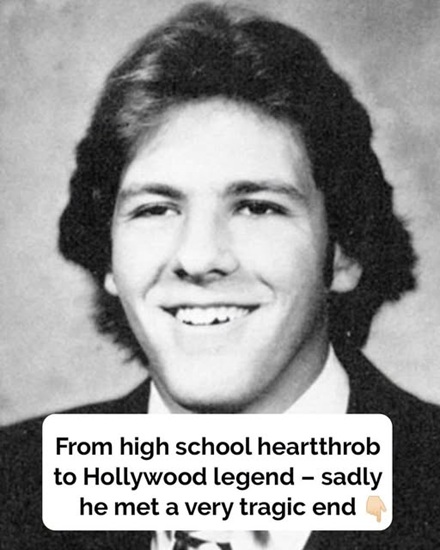
James Gandolfini: The Actor Who Redefined Television Drama
James Gandolfini remains one of the most influential figures in modern television, widely recognized for transforming the crime drama genre through his portrayal of Tony Soprano in The Sopranos. His performance not only elevated his own career but also reshaped expectations for storytelling, character development, and emotional complexity on television.
Born on September 18, 1961, in Westwood, Gandolfini was raised in a working-class Italian-American family that emphasized discipline, education, and strong community values. His upbringing reflected the culture of many families in suburban New Jersey during that era, where stability and hard work were central to daily life.
His father, James Joseph Gandolfini Sr., worked as a maintenance worker at a Catholic high school, while his mother, Santa Gandolfini, was employed as a school lunch worker. Together, they created a modest but supportive household environment that helped shape Gandolfini’s grounded personality. From an early age, he was described as warm, approachable, and naturally charismatic—qualities that would later define his presence both on and off screen.
Despite his future fame, his childhood was largely ordinary. He grew up surrounded by familiar routines and close community ties, experiences that contributed to his understanding of everyday life and human behavior. These early influences would later inform the authenticity he brought to his acting roles.
Gandolfini attended Park Ridge High School, where he became well known among classmates for his size, athleticism, and outgoing personality. He was frequently recognized in school activities and social circles, often noted for his friendliness and sense of humor. His ability to connect with people from different groups made him a popular figure during his teenage years.
Although acting was not yet his primary focus, he participated in school activities that involved performance and communication. These early experiences suggested an emerging interest in storytelling, even if it had not yet fully developed into a clear career path.
After graduating in 1979, he enrolled at Rutgers University, where he earned a Bachelor of Arts degree in communications. During his time at university, his interest in acting became more serious. He took part in theater productions and began studying performance techniques that would later shape his approach to acting.
Following college, Gandolfini moved to New York City, where he worked various jobs while pursuing acting opportunities. He spent time working in club management and other roles, all while attending acting classes and building experience on stage. These years were marked by persistence and gradual development, as he worked to establish himself in a competitive industry.
His early career began in theater, where he developed a reputation for emotionally grounded and intense performances. This foundation helped him transition into film in the early 1990s, where he was often cast in supporting roles that emphasized his physical presence and ability to portray complex, sometimes intimidating characters.
Among his early film appearances were roles in True Romance and Crimson Tide. In these performances, he demonstrated an ability to balance aggression with vulnerability, attracting attention from filmmakers and casting directors. Although these roles did not yet bring widespread fame, they established him as a reliable and compelling character actor.
By the mid-1990s, Gandolfini had built a steady career, often portraying tough or morally ambiguous individuals. However, his defining moment came in 1999 when he was cast as Tony Soprano in The Sopranos.
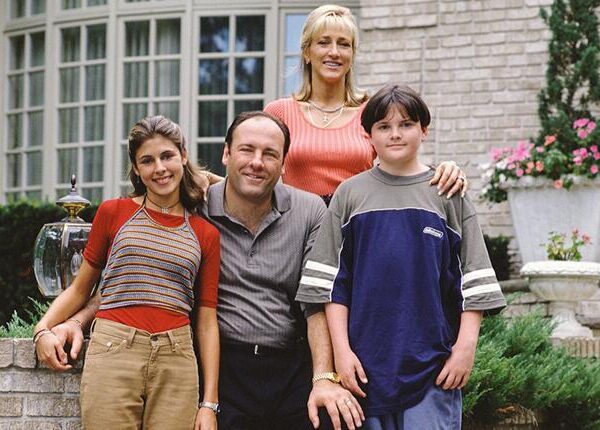
The character of Tony Soprano—a New Jersey mob boss navigating both organized crime and family life—became one of the most complex figures ever depicted on television. Gandolfini’s portrayal was widely praised for its emotional depth and realism. He presented Tony not only as a powerful and sometimes ruthless figure but also as a man struggling with anxiety, depression, and personal conflict.
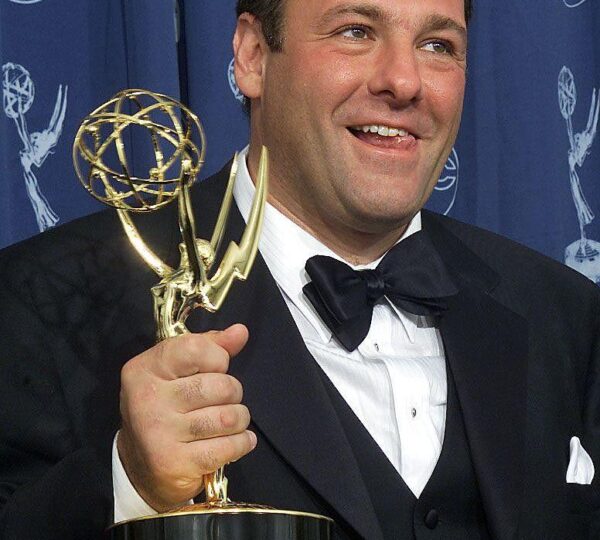
The series quickly became a major cultural force, running for six seasons and earning widespread critical acclaim. It was recognized for its writing, storytelling, and innovative approach to character development. Gandolfini’s performance played a central role in its success, earning him multiple Emmy Awards for Outstanding Lead Actor in a Drama Series.
His work on the show influenced a new era of television, often referred to as the rise of “prestige TV,” where morally complex characters and long-form storytelling became more common. Many later series adopted similar approaches, reflecting the impact of his performance.
Despite his success, Gandolfini remained a private individual. He often described himself as anxious and reserved, a contrast to the commanding presence he displayed on screen. Colleagues frequently noted his generosity and humility, highlighting his preference for a quieter life away from the public spotlight.
Outside of The Sopranos, he continued to work in both film and television, demonstrating his versatility as an actor. His roles in films such as The Mexican, The Taking of Pelham 123, and Zero Dark Thirty showcased his ability to adapt to a wide range of characters and genres.
On set, he was known for his professionalism and commitment. Directors and fellow actors often praised his ability to bring authenticity and emotional honesty to every role. His performances consistently reflected a deep understanding of human behavior, making his characters believable and relatable.
Gandolfini’s personal life included two marriages. He was first married to Marcy Wudarski, with whom he had a son, Michael Gandolfini. He later married Deborah Lin, and the couple had a daughter, Liliane. He was widely regarded as a devoted father, often prioritizing family life despite the demands of his career.
Throughout his career, he was open about the challenges he faced, particularly the emotional strain of portraying a character as intense as Tony Soprano over many years. He acknowledged the psychological impact of the role, as well as the stress associated with maintaining such a high level of performance.
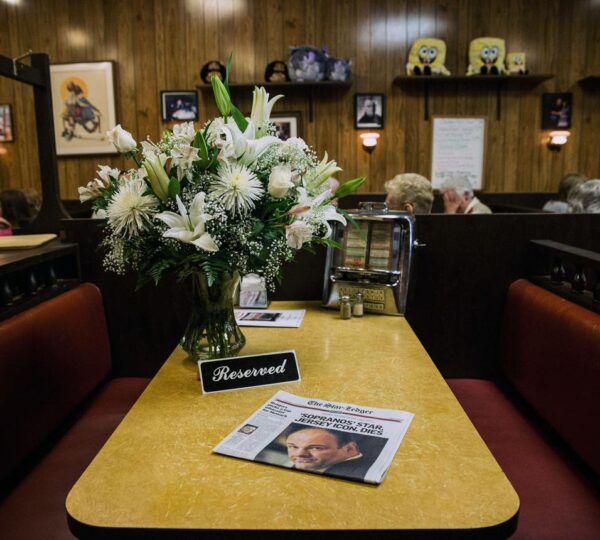
On June 19, 2013, Gandolfini died suddenly of a heart attack while in Rome at the age of 51. He had been traveling with his son at the time. His unexpected death shocked fans and the entertainment industry, prompting widespread tributes from colleagues and audiences around the world.
In the years following his passing, his legacy has continued to grow. The Sopranos remains one of the most influential television series ever produced, and Gandolfini’s performance is still regarded as one of the greatest in television history.
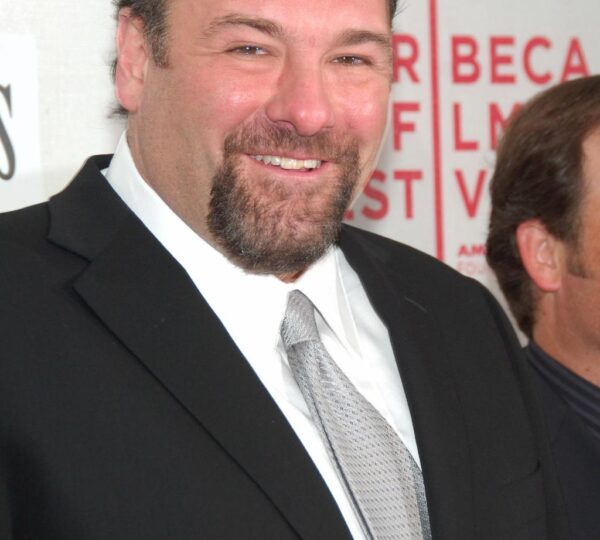
In 2021, his son Michael portrayed a younger version of Tony Soprano in The Many Saints of Newark, offering a continuation of the character’s story and honoring his father’s work. The casting was widely noted for its emotional significance, as it connected two generations through a shared role.
Today, James Gandolfini is remembered not only for his portrayal of Tony Soprano but also for his broader contributions to acting. His work helped redefine television storytelling and demonstrated the power of complex, emotionally driven characters.
His legacy reflects a combination of talent, dedication, and authenticity. Through his performances, he left a lasting impact on both the entertainment industry and audiences worldwide, ensuring that his influence continues to be felt long after his passing.

