
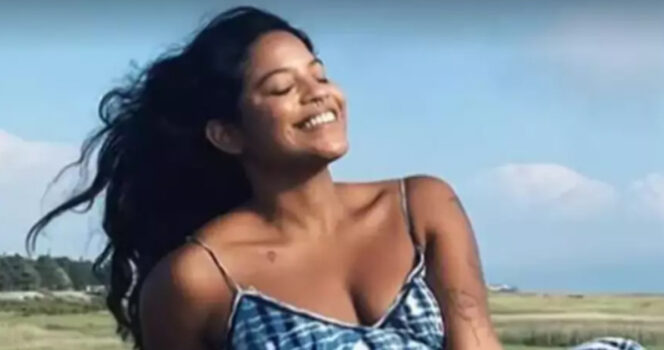
A Young Backpacker’s Final Moments Raise Questions After Tragic Fall on Mount Rinjani
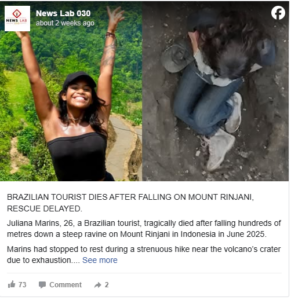
The final moments of 26-year-old Brazilian traveler Juliana Marins have drawn global attention after she fell into a volcano during a guided hike on Mount Rinjani in Indonesia. The incident, which ended in her death, has raised serious concerns about safety procedures and the responsibilities of guides during high-risk expeditions.
Juliana Marins, originally from Rio de Janeiro, Brazil, was known by friends and family as a passionate and adventurous young woman. She had been traveling across Southeast Asia since February, following a long-held dream of exploring new cultures, landscapes, and experiences. Throughout her journey, she regularly shared updates and messages with her loved ones, especially her mother, Estela, and her father, Manoel Marins.
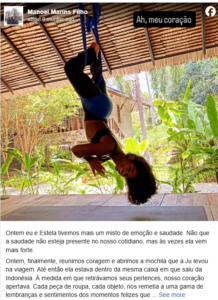
Her communications often reflected her positive outlook on life and her desire to live fully in the present. In one of her final public posts on June 10, she shared a message encouraging courage and the importance of trying new things. Shortly afterward, her social media profile was made private.
Back home, her family would later remember her in emotional tributes. Her father described her as someone who truly embraced life, writing that she lived “the now, the present,” and did so with intensity and purpose. He spoke about her energy, her sense of humor, and her deep affection for those around her. He emphasized that in her 26 years, she had experienced more than many people do in a lifetime.
On June 21, Juliana joined a group of tourists for a hike on Mount Rinjani, an active volcano located on the island of Lombok. The mountain is widely known for its natural beauty, attracting hikers from around the world, but it is also recognized for its challenging terrain and potential dangers.
During the hike, Juliana reportedly became tired and asked to take a short break. According to statements attributed to the group’s guide, she was only a few minutes behind the others. The group continued forward while she remained behind to rest.
Shortly afterward, the situation escalated. When the guide returned to check on her, she was no longer visible on the trail. It was then discovered that she had fallen into a steep ravine within the volcanic area. The terrain in that region is unstable, with loose rocks and sharp drops that can be hazardous even under normal conditions.
The guide later stated that he saw a light coming from a deep section of the ravine and heard Juliana calling for help. It is believed that she initially fell a significant distance before sliding further down the rocky slope.
Following the fall, Juliana was left injured and stranded on the side of the crater. Reports indicate that she remained conscious for some time after the incident. Her calls for help were reportedly heard, and drone footage later suggested that she was alive after the initial fall.
Rescue teams were alerted and began efforts to reach her location. However, the operation proved extremely difficult due to the steep and dangerous terrain, as well as changing weather conditions. The volcanic environment made access challenging, and rescuers had to proceed carefully to avoid further خطر.
For several days, teams worked under difficult conditions, attempting to locate and reach her. The situation was made more urgent by indications that she had survived the fall and was still in need of assistance.
On June 24, authorities confirmed that her body had been located on a rocky cliff deep within the crater, at a significant depth from the original trail. The search, which lasted four days, ended with confirmation of her death.
A post-mortem examination later revealed that Juliana had suffered multiple severe injuries, including extensive internal bleeding and fractures. Medical experts indicated that the injuries were likely fatal within a relatively short period, possibly within minutes after the fall. However, the exact timing of her death remains unclear, especially given reports that she may have survived for some time following the incident.
One of the most emotional elements of the case is a final message Juliana sent to her mother before the accident. In the message, she expressed love and gratitude toward her family. She also shared that her only concern was not wanting to disappoint her parents or her sister. She wrote about her strength and resilience, noting that she had been raised to face challenges and pursue her dreams without fear.
The message has since been shared publicly and has resonated with many people, offering a personal insight into her mindset and character during her travels.
In the aftermath of the tragedy, Juliana’s family has raised concerns about how the situation was handled. They questioned why she was left alone on the trail and whether more could have been done to prevent the fall or respond more quickly afterward. Her sister stated that Juliana had asked to rest and that the group continued without her, suggesting that the guide did not remain with her.
These concerns have led to criticism of the circumstances surrounding both the incident and the rescue efforts. The family described the response as inadequate and expressed frustration over what they believe were delays and missteps.
Mount Rinjani has a history of accidents, reflecting both its popularity and its risks. The mountain last erupted in 2016 and continues to attract thousands of hikers each year. However, records indicate that several fatalities have occurred in recent years due to falls, exhaustion, and other hazards associated with the terrain.
In one case shortly before this incident, a Malaysian hiker died after falling from a cliff. In another, a teenager from Jakarta lost their life under similar circumstances. These incidents highlight the need for strict safety measures and increased awareness among both guides and hikers.
The tragedy involving Juliana Marins has prompted broader discussions about safety standards in adventure tourism. Experts emphasize the importance of proper supervision, especially when participants show signs of fatigue. Clear communication, risk assessment, and adherence to established safety protocols are essential in preventing accidents in high-risk environments.
Guides play a critical role in ensuring the safety of their groups. Situations where individuals become separated from the group can quickly escalate into emergencies, particularly in remote and hazardous locations. This case underscores the importance of maintaining close contact with all participants and taking immediate action when someone falls behind.
As discussions continue, the focus remains on understanding what happened and identifying ways to prevent similar tragedies in the future. Juliana’s story serves as a reminder of both the opportunities and the risks associated with travel and exploration.
Her life, though tragically cut short, reflects a commitment to experiencing the world with curiosity and courage. For her family and those who followed her journey, she will be remembered for her energy, her determination, and her love for life.
The questions raised by this incident continue to resonate, highlighting the need for greater accountability and improved safety practices in adventure travel.

