
Family Shares Update After Baby Delivered Following Tragic Medical Case in Georgia
The family of Adriana Smith, a 31-year-old woman from Atlanta, Georgia, has provided a new update months after a deeply difficult medical situation that drew widespread attention. Her case involved complex medical, legal, and ethical circumstances, ultimately leading to the birth of her child under extraordinary conditions.
Adriana Smith experienced a sudden medical emergency while she was pregnant. At the time, she was approximately nine weeks into her pregnancy. What initially began as a health concern quickly escalated into a life-threatening situation. According to her family, she had complained of a persistent headache in the days leading up to the incident and had visited two hospitals. During those visits, she reportedly received medication but did not undergo extensive diagnostic testing.
Shortly afterward, she was found unresponsive. Medical professionals conducted further examinations, including a CT scan, which revealed multiple blood clots in her brain. The findings indicated a severe and irreversible condition. Doctors ultimately determined that she had no chance of recovery and declared her brain dead in February.
Despite this diagnosis, Adriana Smith was placed on a ventilator, and her body was maintained through life-support systems. The decision to continue life support was influenced by the fact that she was pregnant at the time. Medical teams continued to monitor her condition while also focusing on the development of the unborn child.
This situation unfolded within the legal framework of Georgia, where the Georgia heartbeat law restricts abortion after approximately six weeks of pregnancy, except in specific medical circumstances. The law, which became more prominent following the overturn of Roe v. Wade, formed part of the broader context surrounding the decisions made during Adriana’s care.
According to her family, they felt they had limited influence over the course of events once Adriana was declared brain dead. Her mother, April Newkirk, later expressed that the situation was deeply distressing, both emotionally and practically. The family faced the challenge of navigating a prolonged period in which Adriana remained on life support while the pregnancy continued.
During this time, doctors closely monitored the development of the baby. The process required careful medical management, as maintaining a pregnancy under such circumstances involves significant complexity. Over the following months, Adriana’s condition remained unchanged, and the focus remained on ensuring the best possible outcome for the child.
In June, medical professionals performed a cesarean section to deliver the baby. A boy named Chance was born as a result of the procedure. Shortly after the delivery, Adriana Smith was taken off life support. Her passing marked the end of a prolonged and emotionally challenging period for her family.
Following these events, April Newkirk created a fundraising campaign to support the family during their time of loss and adjustment. Through the campaign, she shared details about Adriana’s experience and the impact it had on their lives. She described how the hospitalization and extended medical situation had significantly affected the family, both emotionally and financially.
In her message, she also expressed concern about the early stages of Adriana’s medical care, noting that more thorough examinations might have provided additional clarity at an earlier stage. At the same time, she emphasized the difficulty of coping with the situation, particularly given the lack of control the family felt they had over key decisions.
The fundraiser also highlighted the challenges faced by Adriana’s children. In addition to the newborn, she had an older child who was also affected by the loss. The family described the emotional strain of navigating grief while simultaneously preparing to care for a newborn who required medical attention.
In the months following Chance’s birth, he remained in the neonatal intensive care unit (NICU), where he received specialized care. His condition required close monitoring, and medical professionals worked to support his development during this critical period. The extended stay in the NICU reflected the complexities often associated with premature or medically delicate births.
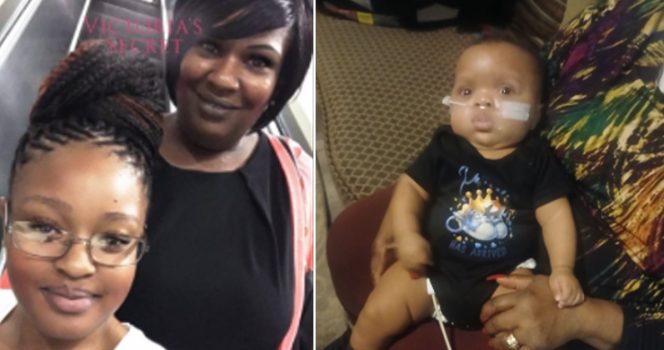
Recently, Adriana’s family shared a positive update regarding Chance’s progress. After spending several months in the hospital, he has now been discharged and is at home with his family. While he continues to require oxygen support, his condition has improved enough to allow him to leave the hospital environment.
April Newkirk expressed gratitude for the support the family has received throughout their journey. She acknowledged the role of prayers, messages, and contributions in helping them navigate a difficult time. Her updates reflected both relief and cautious optimism as the family adjusts to life with the newest member.
One particularly meaningful moment for the family was the introduction between Chance and his older sibling. According to Newkirk, the meeting was emotional and significant, symbolizing a step forward after months of uncertainty and hardship. She described the moment as deeply moving, highlighting the bond forming between the two children.
In a follow-up update, she shared another glimpse into Chance’s progress, describing him as a calm and content baby. The description reflected a sense of hope and stability, even as the family continues to adapt to ongoing medical needs and the absence of Adriana.
The situation surrounding Adriana Smith’s case has drawn attention not only because of its emotional impact but also because of the broader questions it raises. It highlights the intersection of medical decision-making, legal frameworks, and family experiences in complex situations. While each case is unique, it underscores the challenges that can arise when multiple factors influence the course of care.
At its core, the story is one of loss, resilience, and adjustment. The family continues to process the absence of Adriana while also focusing on the future, particularly the well-being of her children. Their updates reflect a balance between remembering what has been lost and acknowledging the progress that has been made.
As Chance grows, his development will remain an important focus for the family. His early months have already involved significant medical care, and ongoing support will likely continue to play a role in his upbringing. At the same time, the presence of family members provides a foundation of care and stability.
The updates shared by Adriana’s mother offer insight into how families cope with unexpected and life-altering events. They show the importance of community support, medical care, and emotional resilience during times of uncertainty.
While the circumstances surrounding this case remain complex, the most recent news centers on a positive development: a child who has now returned home and begun life outside the hospital. For the family, this milestone represents a step forward after a long and difficult journey.
Through their continued updates, Adriana Smith’s family has chosen to keep others informed, offering a perspective shaped by personal experience. Their story reflects both the challenges they have faced and the gradual progress they continue to make as they move forward together.

