
A quiet and heavy atmosphere settled over the veterinary clinic early that morning as staff prepared one of the examination rooms for a case they already knew would be emotionally challenging. Movements were slower than usual, conversations hushed, and there was a shared understanding among the team that this would not be a routine visit.
Technicians moved carefully through the hallways, organizing medical tools and reviewing notes in low voices. The mood reflected both professionalism and compassion, as everyone prepared for the arrival of a long-serving police dog whose condition had deteriorated significantly.
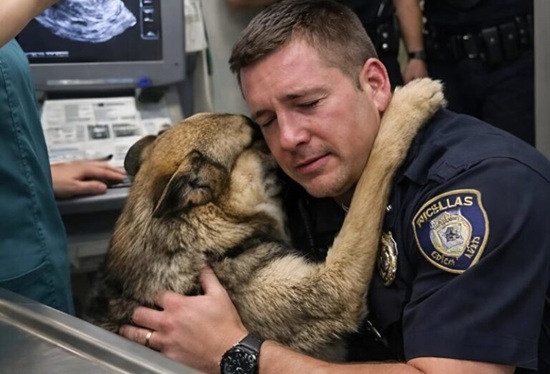
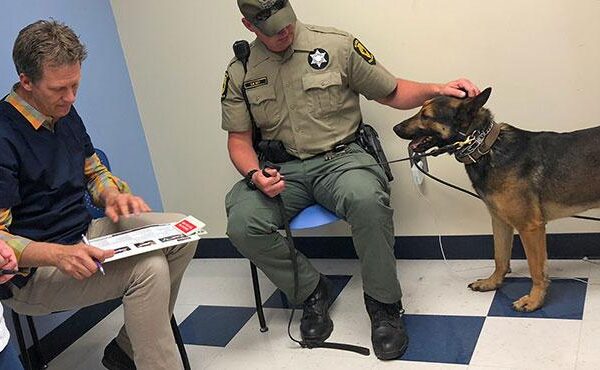
Officer Alex Voronov entered the clinic soon after, carrying his service dog, Rex. The German Shepherd, once known for his strength and alert presence in the field, now appeared visibly weak. Despite Rex’s size, Alex held him gently, supporting his body with care as they made their way into the examination room.
Rex had served in the police department for approximately eight years. During that time, he had built a reputation as a reliable and highly trained working dog. His contributions included search and rescue operations, where his tracking skills helped locate missing individuals in difficult terrains such as forests and rural areas. He had also been involved in detection work, assisting officers in identifying concealed substances and supporting investigations.
Beyond his technical abilities, Rex had been a steady presence during field operations, providing both practical support and situational awareness. Over time, his partnership with Alex developed into something deeper than duty. It became a relationship grounded in trust, routine, and shared experience under demanding conditions.
For Alex, Rex was not simply a working animal. He was a partner who had stood by him through years of professional challenges. Their bond had been built gradually, through daily interaction, reliance on one another, and countless hours spent working side by side.
Inside the clinic, Dr. Elena, the veterinarian assigned to Rex’s case, carefully reviewed his medical records. Several staff members and a few fellow officers were also present, offering quiet support. The room remained still as Rex was gently placed on the examination table, with Alex keeping a reassuring hand on his neck.
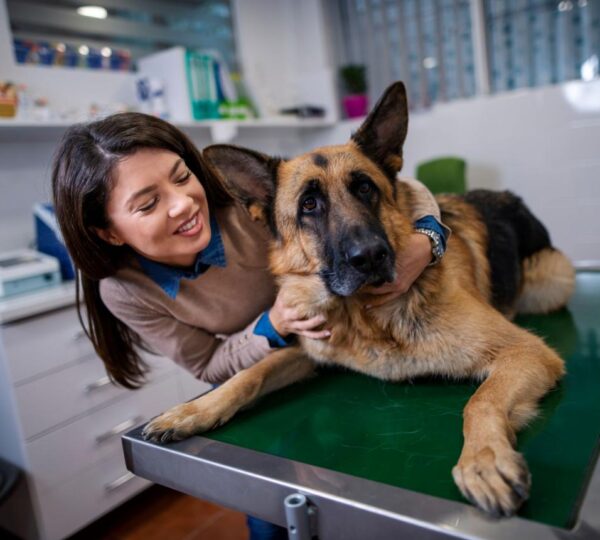
It was immediately clear that Rex’s condition was serious. His breathing appeared shallow and uneven, and his body showed signs of significant fatigue. Alex, familiar with every subtle change in Rex’s behavior, understood that something was deeply wrong.
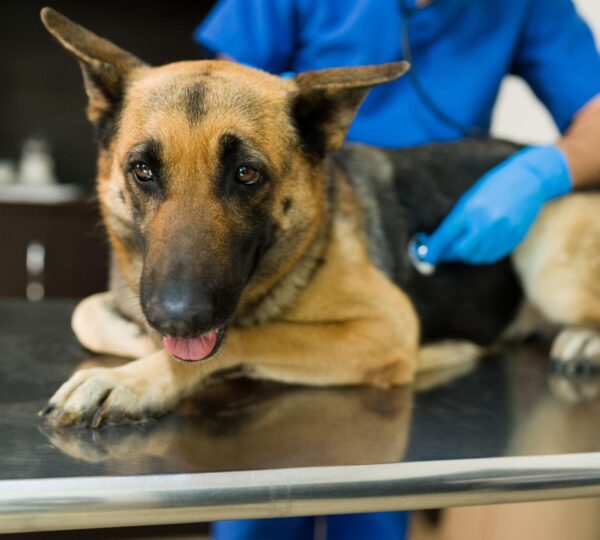
After conducting initial tests and evaluations, Dr. Elena took a moment before speaking. Her tone was calm but direct as she explained the findings. Rex was suffering from severe internal complications, including greatly reduced kidney function and fluid buildup affecting his lungs. These issues placed considerable strain on his body and made recovery unlikely.
Alex listened carefully, holding on to the possibility that some form of treatment might still help. He asked whether there were any remaining options. The veterinarian responded honestly, explaining that further treatment would likely prolong discomfort rather than improve his condition.
The room fell silent as the reality of the situation settled in. Rex’s illness had progressed to a point where humane euthanasia had already been approved to prevent further suffering. Earlier that day, Alex had signed the necessary documents, knowing the decision was made in the dog’s best interest.
One by one, the officers present approached Rex, offering quiet words and gentle gestures of appreciation. Each interaction reflected the respect and connection they had developed with the dog over years of service.
Alex leaned closer, speaking softly to Rex and remaining beside him as preparations began. The weight of the moment was evident in every movement and expression in the room.
Then, just before the procedure could proceed, something unexpected happened.
Despite his weakened state, Rex slowly lifted his front paws and placed them around Alex’s shoulders. The movement was slow and required visible effort, but it resembled a deliberate gesture of closeness.
The room became completely silent. Alex responded by holding Rex gently, clearly emotional, as he comforted his partner.
Dr. Elena paused, watching the interaction closely. Something about Rex’s response prompted her to reconsider the situation. She asked for a delay and decided to conduct a more detailed examination before proceeding.
Using ultrasound imaging, she began a second, more focused evaluation of Rex’s internal condition. As she reviewed the results, her attention was drawn to an area that appeared unusual.
She asked her assistant to adjust the imaging settings and examined the region again. This time, the scan revealed something unexpected—a small foreign object inside Rex’s body.
The finding did not align with the initial assumption that his condition was solely due to organ failure. Instead, it suggested that the object might be contributing to the symptoms and possibly interfering with normal bodily functions.
Dr. Elena explained that such an object could cause significant complications depending on its location and how long it had been present. This discovery changed the overall assessment of Rex’s condition.
Rather than a strictly terminal situation, there was now a possibility that surgical removal of the object could improve his health.
Alex listened closely as the veterinarian outlined this new development. While the outcome remained uncertain, there was now a potential path forward.
The officers in the room reacted with cautious hope. The situation had shifted from preparing for a final farewell to considering emergency treatment.
The veterinary team quickly began preparing for surgery. Equipment was arranged, and staff coordinated the necessary steps with urgency and precision.

Alex stayed beside Rex, continuing to provide comfort as the preparations moved forward. The emotional tone in the room began to change, replacing the earlier sense of loss with careful optimism.
Rex remained close to Alex, maintaining contact as the team worked around them. The bond between them was evident, reflecting years of shared service and trust.
As the clinic staff finalized their preparations, the focus turned entirely toward giving Rex the best possible chance of recovery. The officers stepped back respectfully, allowing the medical team to proceed while remaining nearby in support.
What had started as a moment of goodbye had transformed into an opportunity for intervention. The shift underscored how important thorough medical evaluation can be, even in cases that initially appear certain.
For everyone present, the experience served as a powerful reminder of the connection between service animals and their handlers. It also highlighted the importance of reassessing medical conditions when new information becomes available.
Rex’s situation demonstrated that even in critical moments, unexpected findings can change the course of treatment. The discovery of the foreign object offered a possibility that had not existed just moments earlier.
As Alex spoke quietly to Rex, reassuring him before the procedure, the room reflected a renewed sense of purpose. The veterinary team proceeded with focus and care, committed to addressing the issue that had been uncovered.
The story of Rex and Officer Alex Voronov illustrates the depth of loyalty and companionship that can develop between humans and service animals. It also emphasizes the value of persistence, attention to detail, and the willingness to look beyond initial conclusions in medical care.
For those who witnessed it, the moment remained unforgettable—not only because of the emotional weight it carried, but because it showed how quickly circumstances can change when hope is given a chance.

