
Rare Tick-Borne Powassan Virus Reaches Record Case Numbers in the United States, Health Officials Warn
A Rare Virus Shows an Unexpected Increase
Health officials in the United States are expressing concern after the Powassan virus, a rare tick-borne illness with no specific treatment or cure, reached its highest number of reported cases on record.
In 2025, a total of 76 Americans were infected, marking the largest annual total ever documented. This represents a sharp increase compared to historical levels, where the virus has typically remained extremely uncommon.
Over time, reported cases have averaged around seven per year, highlighting the unusual nature of the recent rise in infections and drawing attention from public health experts.
Origins and Identification of the Virus
The Powassan virus was first identified in 1958 after a four-year-old boy developed unexplained symptoms that led to further investigation. Since then, it has remained a rare but serious concern in medical research.
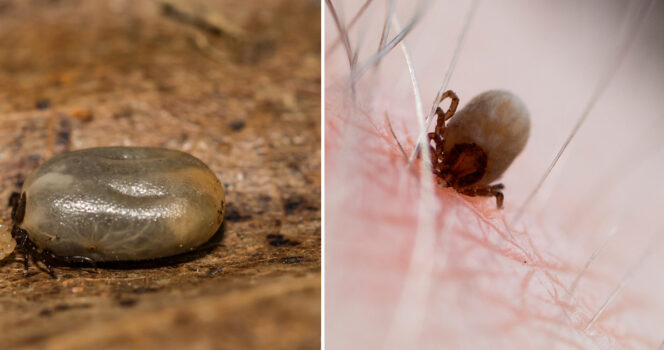
The virus is transmitted through infected ticks, particularly species within the Ixodes group. These include blacklegged ticks, also known as deer ticks, which are considered the most likely carriers of the virus in humans.
Other tick species, including Ixodes cookei and Ixodes marxi, can also carry the virus. However, these species rarely bite humans, making them less commonly associated with transmission.
How Transmission Occurs
Medical experts explain that Powassan virus transmission can occur rapidly after a tick bite. Unlike some other tick-borne diseases, infection may take place within a very short period of attachment.
In some cases, a tick only needs to remain attached for a few minutes for transmission to occur. This makes prevention and early detection particularly important in areas where infected ticks are present.
By comparison, other tick-borne illnesses such as Lyme disease generally require a much longer attachment period before transmission can happen, often ranging from 36 to 48 hours.
Symptoms and Progression of Illness
Symptoms of Powassan virus infection may not appear immediately. In some cases, they can take up to four weeks to develop after a tick bite.
Initial symptoms can include fever, headache, vomiting, and general weakness. While these symptoms may appear similar to other viral infections, the condition can become more severe in certain cases.
In more serious infections, the virus can lead to inflammation of the brain, known as encephalitis, or inflammation of the membranes surrounding the brain and spinal cord, known as meningitis.
Severe cases may result in confusion, loss of coordination, difficulty speaking, and seizures, highlighting the potential neurological impact of the illness.
No Specific Cure or Targeted Treatment
At present, there is no medication designed specifically to treat or cure Powassan virus infection. Medical care focuses instead on managing symptoms and supporting the patient’s recovery.
Individuals with mild cases are typically advised to rest, stay hydrated, and use over-the-counter medication to reduce discomfort and fever.
More severe cases may require hospitalization, where patients receive supportive care such as assistance with breathing, hydration, and treatment to reduce swelling in the brain.
Medical Observations and Risk Assessment
Health professionals note that although the virus is rare, it can have serious consequences when infection occurs. In the past decade, approximately 60 cases have been reported, including seven deaths.
Medical observations also suggest that about half of those who survive severe infection may experience long-term neurological effects, including memory-related difficulties.
Despite these outcomes, experts continue to emphasize that the overall number of cases remains low compared to more common tick-borne diseases.
Prevention and Public Health Advice
Public health guidance strongly focuses on prevention, as avoiding tick bites is currently the most effective way to reduce risk of infection.
Recommended precautions include using insect repellent when spending time outdoors, wearing long sleeves and pants in wooded or grassy areas, and checking the body thoroughly for ticks after outdoor exposure.
Showering within a short period after being outdoors is also advised, as it may help remove ticks before they become fully attached.
Awareness of tick habitats and early removal remain key strategies in reducing the likelihood of infection.
Context and Public Concern
Despite the recent increase in reported cases, medical experts stress that Powassan virus remains extremely rare. The rise in numbers has prompted attention, but not widespread alarm.
Health professionals emphasize the importance of awareness rather than panic, noting that most people will never encounter the virus in their lifetime.
Public health messaging continues to balance caution with reassurance, encouraging preventive behavior while recognizing that overall risk remains low in comparison to other infectious diseases.

