
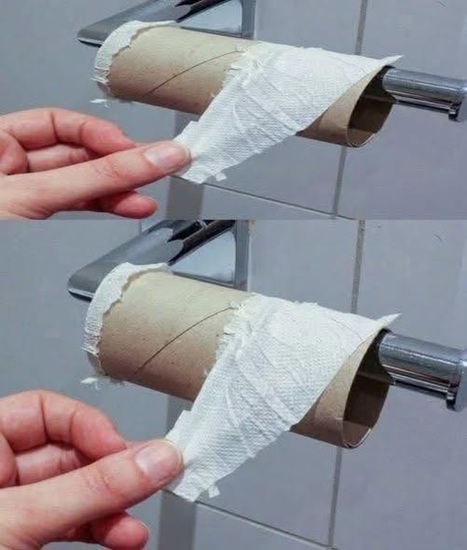
Rethinking Toilet Paper: Sustainability, Hygiene, and the Shift Toward Water-Based Alternatives
A Daily Essential Under Environmental Scrutiny
For generations, toilet paper has been treated as a standard and unquestioned part of modern hygiene routines. It is widely available, simple to use, and deeply integrated into everyday household life in many parts of the world.
However, growing environmental awareness has encouraged a closer examination of the hidden costs behind common consumer goods. As sustainability becomes a larger global concern, attention has increasingly turned toward whether traditional hygiene practices remain the most responsible option.
This shift in perspective does not reject hygiene or comfort. Instead, it reflects a broader effort to understand how everyday choices affect natural resources and long-term environmental balance.
The Environmental Cost of Production
Conventional toilet paper production begins with wood pulp, which requires trees to be harvested and processed into fibers. These fibers are then transformed through industrial manufacturing into soft tissue products suitable for daily use.
This process involves multiple resource-heavy stages, including water usage, energy consumption, and transportation. Even with improved efficiency in modern production systems, the overall environmental footprint remains significant when considering global demand.
In addition to raw material use, steps such as bleaching, drying, and packaging contribute further to energy consumption and emissions. These combined processes make toilet paper one of many everyday products now being reassessed through a sustainability lens.
Resource Demand and Environmental Pressure
One of the central concerns surrounding toilet paper usage is the continuous demand for disposable paper products. This demand places ongoing pressure on forest resources, even in systems where replanting efforts are implemented.
Although managed forestry aims to balance consumption with regeneration, achieving long-term equilibrium remains challenging at large scales. The constant global consumption of paper products continues to drive discussions about sustainability and responsible resource use.
These concerns have contributed to a growing interest in alternatives that may reduce dependency on paper-based hygiene solutions.
Shifting Awareness and Changing Consumer Habits
As environmental awareness spreads, more consumers are beginning to reconsider long-standing habits. This change is not driven by a rejection of hygiene standards, but by a desire to find more efficient and environmentally conscious approaches to daily living.
Small lifestyle adjustments are often easier to adopt than major behavioral changes, which is why practical innovations are gaining attention. Among these, water-based hygiene systems have become one of the most widely discussed alternatives.
This evolving mindset reflects a broader trend toward sustainability, where individuals evaluate everyday products not only for convenience, but also for their long-term environmental impact.
Water-Based Hygiene Systems as an Alternative
Water-based cleaning systems, commonly known as bidets, have been used in various cultures for many years. In recent times, their popularity has expanded into regions where they were previously less common.
These systems function by using water as the primary method of cleaning, reducing reliance on paper-based products. Modern versions range from simple attachments to fully integrated toilet systems designed for convenience and ease of use.
Many contemporary designs include adjustable features such as water pressure and temperature, allowing users to tailor their experience according to personal preference. This flexibility has contributed to their increasing acceptance in modern households.
Environmental Considerations of Water-Based Systems
From a sustainability perspective, bidet systems are often viewed as a way to reduce household consumption of disposable paper products. By lowering toilet paper usage, they can contribute to a reduction in waste generation.
However, water-based systems also involve their own environmental factors. Water usage and energy consumption vary depending on the design of the system and the infrastructure in place. As a result, the overall environmental impact can differ between regions and technologies.
This balance between reduced paper consumption and increased water use continues to be an important part of sustainability discussions.
Cultural Differences and Adoption Patterns
The adoption of water-based hygiene systems is influenced strongly by cultural norms. In some parts of the world, bidets are already a standard feature in bathrooms and are widely accepted as a normal part of daily hygiene.
In other regions, these systems are still relatively new and unfamiliar. As awareness grows and products become more accessible, gradual adoption is occurring across different markets.
Affordability and convenience play an important role in this transition, as modern designs are increasingly created to be easy to install and user-friendly.
Hygiene, Comfort, and Practical Considerations
When comparing hygiene methods, effectiveness and cleanliness are often key factors. Many users report that water-based cleaning provides a more thorough and comfortable experience compared to using paper alone.
At the same time, toilet paper remains widely used due to its simplicity and familiarity. Personal preference plays a significant role in determining which method individuals choose in their daily routines.
In many households, a combination of both methods is used depending on convenience and situation, reflecting the diversity of personal hygiene habits worldwide.
Cost, Maintenance, and Long-Term Use
Cost considerations also influence decision-making. Installing a bidet system may involve an initial investment, but long-term savings on toilet paper purchases can offset this expense over time.
This makes water-based systems a potentially cost-effective option for households with higher usage levels. Over time, reduced paper consumption may contribute to overall household savings.
Modern systems are also designed with durability and low maintenance in mind. Most require only basic cleaning and occasional upkeep, making them practical for everyday use in a wide range of environments.
Sustainability as a Broader Lifestyle Shift
The discussion around toilet paper alternatives is part of a larger global movement toward sustainable living. More individuals are evaluating daily habits to better understand their environmental impact.
This includes reconsidering not only hygiene practices but also packaging, waste generation, and resource consumption across many aspects of life. Small changes, when widely adopted, can contribute to meaningful environmental improvements.
Manufacturers are also responding to these shifts by developing products that prioritize efficiency, sustainability, and reduced environmental impact. Innovation continues to play a key role in shaping future consumer choices.
The Future of Everyday Hygiene Practices
Looking ahead, personal hygiene practices are expected to continue evolving alongside technological development and environmental awareness. Water-based systems, reusable solutions, and hybrid approaches may all become more common depending on regional infrastructure and cultural preferences.
As consumers become more informed, demand for sustainable and efficient alternatives is likely to grow further. This shift reflects a broader awareness of how everyday choices contribute to long-term environmental outcomes.
Ultimately, the conversation is not limited to replacing one product with another. It is about rethinking long-established habits in a way that balances hygiene, comfort, and sustainability in a changing world.

