
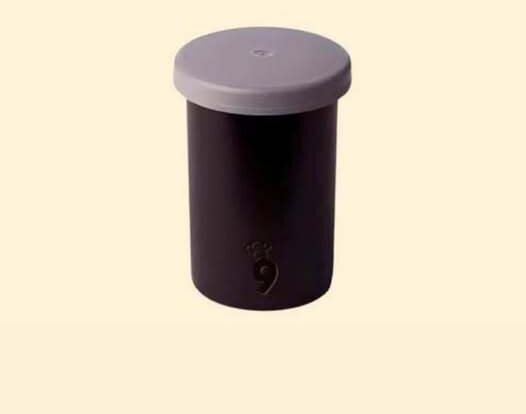
Why Old Film Canisters Continue to Hold a Special Place in People’s Lives
A Tiny Object From Another Era
Many household items disappear when the technology they support becomes outdated. Old film canisters are different.
Even decades after film photography stopped being part of everyday life for most people, these small plastic containers continue to appear in drawers, storage boxes, closets, and forgotten corners of basements.
They are simple objects that seem insignificant at first glance. Yet many people find it surprisingly difficult to throw them away.
Part of that attachment comes from what they once represented. Film canisters belonged to a time when photography moved more slowly and memories were preserved through patience rather than instant access.
For those who grew up using film cameras, a single canister can bring back an entire period of life.
Protecting Precious Moments
Before smartphones and digital cameras transformed photography, film canisters served a practical purpose. Their job was to protect rolls of film from light, dirt, and damage.
Inside each roll were photographs that had not yet been seen.
A birthday celebration, a family vacation, a school event, or a holiday gathering could be stored inside that small container, waiting to be developed.
Unlike today, there was no immediate preview.
People had no way of knowing whether a photograph had turned out well until the film was processed.
Every frame mattered because each roll contained a limited number of opportunities to capture a moment.
The canister became part of that experience, traveling in camera bags, purses, glove compartments, and kitchen drawers before eventually making its way to a photo lab.
Even after the film had been removed, the container often remained.
The Experience of Waiting
Modern photography offers instant results. Images can be captured, reviewed, edited, and shared within seconds.
That convenience has changed the relationship many people have with photographs.
During the film era, the process continued long after the shutter button was pressed.
There was a period of anticipation between taking the photograph and finally seeing it.
Families would drop off rolls of film and wait for the finished prints to return.
The arrival of those photographs often felt like an event in itself.
Some images exceeded expectations. Others came back blurry or poorly timed.
Occasionally, an unexpected photograph became the favorite.
That uncertainty gave each image a sense of discovery that is difficult to recreate in an age of instant previews.
Film canisters were woven into that process and became part of the story behind every photograph.
More Than a Plastic Container
Viewed purely as an object, a film canister is remarkably ordinary.
It is typically a small plastic tube with a removable lid and little visual appeal.
Yet many survived long after their original purpose disappeared.
The reason is partly practical.
Once empty, these containers found new uses throughout the home.
People filled them with screws, nails, buttons, beads, coins, seeds, matches, and countless other small items.
They appeared in garages, sewing kits, toolboxes, gardening supplies, and craft collections.
In many ways, they continued doing exactly what they had been designed to do: protecting things that people did not want to lose.
That usefulness helped ensure their survival well into the digital age.
The Objects People Keep Without Explanation
Almost every household contains certain items that seem immune to being discarded.
They are not necessarily valuable, rare, or beautiful.
Nevertheless, they remain.
Old film canisters often belong to that category.
Someone cleaning a drawer may discover one tucked behind batteries, paperclips, or old receipts.
For a brief moment, the object stops being clutter and becomes a connection to the past.
It may remind a person of a favorite camera, a family road trip, or a stack of photographs stored in an album.
Although the canister itself might be empty, the memories surrounding it are often vivid.
A Connection to Family History
For many people, film photography is closely tied to childhood and family life.
They remember parents carefully deciding when a photograph was worth taking because film was limited.
They remember being told not to open a camera and ruin an unfinished roll.
They remember hearing the sound of film advancing after each shot.
Many also remember gathering around newly developed photographs to see how special occasions had been captured.
Some of those photographs now preserve images of relatives who are no longer living, childhood homes that no longer exist, and places that have changed dramatically over time.
The film canister becomes connected to all of those memories.
It is not the photograph itself, but it belongs to the process that made those photographs possible.
The Importance of Physical Memory
Digital images can preserve moments with incredible convenience, but physical objects often create a different emotional response.
A file stored on a phone or computer can hold enormous meaning, yet it lacks the physical presence of an object that has been handled for years.
Film canisters possess a tangible quality.
They have weight, texture, shape, and even a distinctive smell that many people instantly recognize.
The feel of worn plastic or the sound of a lid snapping into place can trigger memories in unexpected ways.
Sometimes a simple sensory detail can bring back a place, a season, or a person more quickly than a photograph itself.
That emotional connection helps explain why such a modest object continues to matter.
A Symbol of a Slower World
Old film canisters represent more than photography.
They symbolize a period when many aspects of life moved at a slower pace.
Photographs were not unlimited.
People could not take hundreds of pictures and choose the best one moments later.
Each shot involved a decision.
Every photograph represented a small investment of film and trust.
People hoped the image would turn out well and then waited to find out.
That slower relationship with memory gave photographs a different kind of value.
The canister stands as a reminder of that experience.
It reflects a time when patience was part of preserving a moment.
Life After the Camera
The story of a film canister rarely ended when the film was developed.
Its compact size made it useful for storing countless household items.
One container might hold spare change, while another stored seeds for a future garden.
Some were filled with buttons removed from old clothing.
Others held tiny screws left over from repair projects.
Because they were durable and easy to carry, people often found new purposes for them without giving it much thought.
Over time, the canisters became part of daily life in ways unrelated to photography.
This practical second life contributed to their remarkable longevity.
When Empty Objects Feel Full
One of the most interesting things about old film canisters is that they can feel meaningful even when they contain nothing.
An empty container might still evoke memories of family albums, vacations, celebrations, and everyday moments captured on film.
Its significance comes not from what is currently inside it but from everything it represents.
It recalls a period when photographs followed a physical journey from camera to film roll to printed image.
That process required time, effort, and anticipation.
The canister remains as a small reminder of that journey.
The Lasting Power of Ordinary Things
Many of the most meaningful possessions in life are surprisingly ordinary.
Their value comes from association rather than appearance.
Film canisters are a perfect example.
They were inexpensive, common, and designed for a practical purpose.
Yet they became silent witnesses to birthdays, holidays, graduations, vacations, friendships, and countless family moments.
Because they were present during those experiences, they absorbed a kind of emotional significance over time.
What appears to be a simple piece of plastic can become a powerful reminder of people, places, and periods of life that have long since passed.
A Reminder of Another Pace of Life
The world has changed dramatically since film canisters were found in nearly every camera bag.
Photography is now faster, easier, and more accessible than ever before.
Millions of images can be stored without taking up physical space.
Yet many people still feel drawn to objects connected to earlier methods of preserving memories.
Film canisters point back to a time when remembering required patience.
They evoke a world where moments were captured carefully and photographs arrived as surprises rather than instant results.
They remind people that memory once involved waiting, hoping, and holding something physical in their hands.
Why They Remain Difficult to Discard
Throwing away an old film canister might seem simple.
It is small, inexpensive, and often no longer needed.
Yet many survive years of cleaning, organizing, and moving from one home to another.
The reason is rarely practical.
For many people, the object represents far more than its material form.
It serves as a link to family traditions, childhood experiences, and personal history.
Discarding it can feel like letting go of a small piece of those memories.
As a result, the canister often remains tucked away, waiting to be rediscovered again.
What These Small Containers Really Preserve
Old film canisters were originally designed to protect photographic film, but their meaning has expanded over time.
Today, they preserve something less tangible.
They carry reminders of family albums, camera bags, vacation snapshots, and the excitement of seeing developed photographs for the first time.
They also represent a slower relationship with memory, one built on patience and anticipation.
Even when empty, they can hold powerful connections to the past.
That is why these modest plastic containers continue to survive long after their original purpose faded from everyday life.
They remain because they contain something many people still value: the feeling of a moment worth remembering.

