
The Simple Plunger Mistake That Could Be Making Toilet Clogs Worse
Why So Many People Struggle With Clogged Toilets
A clogged toilet is one of the most common household problems, and it often seems to happen at the most inconvenient time. Many people respond by grabbing a plunger and hoping for a quick fix. When the clog refuses to budge, frustration quickly sets in, and a call to a plumber can feel inevitable.
In many cases, however, the issue is not a lack of effort. The real problem may be using the wrong type of plunger. Although plungers appear similar at first glance, different designs are intended for different plumbing fixtures, and choosing the correct one can significantly improve your chances of clearing a blockage.
Not All Plungers Are Designed the Same
Many homeowners assume that any plunger can be used for any drain. Because the tools share a similar appearance, they are often treated as interchangeable. However, there are two primary plunger designs, and each serves a specific purpose.
Using the wrong plunger can make clearing a clog more difficult and may leave you wondering why the tool seems ineffective. Understanding the difference between the two designs can help you tackle common plumbing issues more successfully.
The Flat-Bottom Sink Plunger
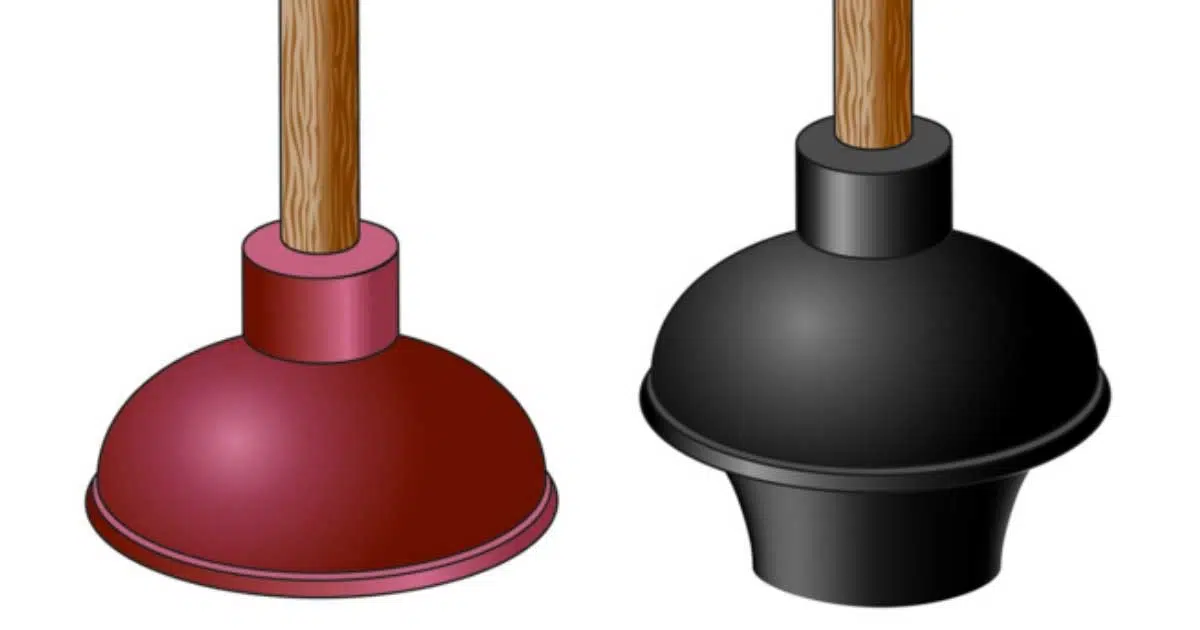
The first type is the traditional flat-bottom plunger. This design features a simple rubber cup with a smooth, level edge that sits flush against flat surfaces.
Flat-bottom plungers are best suited for sinks, bathtubs, and other drains with relatively level openings. Their shape allows them to create a seal over these fixtures, generating the pressure needed to loosen and remove clogs.
While this style works well for sinks and tubs, it is generally not the most effective choice for toilets. The shape of a toilet drain makes it difficult for a flat-bottom plunger to create the tight seal necessary for strong suction and pressure.
The Toilet Plunger
The second type of plunger is specifically designed for toilets. It includes an additional rubber extension attached to the bottom of the cup, often referred to as a flange.
This extra section fits into the toilet drain opening, helping create a stronger seal than a standard flat-bottom plunger can provide. The improved seal allows pressure to be directed more effectively toward the clog.
Because toilets have a uniquely shaped drain, this design is far better suited for clearing toilet blockages. Using a toilet plunger instead of a sink plunger can often make the difference between a successful repair and a prolonged struggle.
A Common Mistake Many People Make
Even when using the correct plunger, many people overlook an important step before they begin. Simply placing the plunger into the bowl and pumping away may not deliver the desired results.
For the plunger to work properly, the bell-shaped rubber cup should contain water. Water helps transfer force more efficiently than air, allowing the plunger to generate stronger pressure against the clog.
Before plunging, make sure the rubber cup is submerged enough to fill with water. This simple adjustment can improve performance and increase the likelihood of clearing the blockage.
Why Proper Technique Matters
A plunger works by creating alternating pressure and suction within the drain. When a proper seal is established, each push and pull helps loosen material blocking the pipe.
If the seal is weak, much of that pressure escapes around the edges of the plunger rather than traveling through the drain. As a result, repeated plunging may accomplish very little.
Using the right plunger and ensuring it is filled with water helps maximize the effectiveness of each movement. This approach often reduces the effort required and may eliminate the need for professional assistance in many routine clog situations.
Saving Time, Money, and Frustration
Understanding the difference between sink plungers and toilet plungers is a small piece of household knowledge that can have a big impact. Instead of assuming all plungers work the same way, choosing the correct tool for the job can make home plumbing maintenance far easier.
Many clogs that seem stubborn are simply being approached with the wrong equipment. A toilet plunger’s flange design allows it to perform the task it was created for, while a flat-bottom plunger remains the better option for sinks and tubs.
With the right tool and proper technique, many common blockages can be resolved quickly, helping homeowners avoid unnecessary expense and frustration.
A Helpful Reminder for Everyday Home Care
Household maintenance is full of small details that are easy to overlook. Just as different plungers serve different purposes, many cleaning and sanitation products also have specific uses that are often misunderstood.
Learning the intended function of everyday tools can make routine home care more effective and less stressful. In the case of plungers, a simple design difference can determine whether a clog is cleared in minutes or remains a lingering problem.
The next time a drain becomes blocked, take a moment to check the tool you’re using. The solution may be simpler than you think, and having the right plunger on hand could save both time and a call to the plumber.

