
10 Foods That Can Be Dangerous to Eat and Why Millions Still Consume Them
Foods That Carry Unexpected Risks
For most people, food is associated with nutrition, flavor, and daily enjoyment. Yet some foods consumed around the world can pose serious health risks if they are prepared incorrectly, eaten in the wrong form, or consumed by individuals with specific medical conditions.
Despite the dangers, many of these foods remain popular because they are cultural staples, important sources of nutrition, or valued delicacies. In some cases, they are consumed out of tradition. In others, they serve as an essential food source for entire communities.
From toxic fish to poisonous plants, these foods demonstrate how proper preparation and knowledge can make the difference between a safe meal and a dangerous one.
Cassava: A Staple Crop With Hidden Toxicity
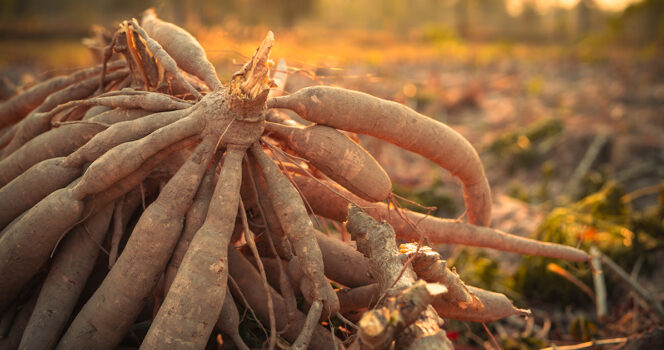
Cassava is one of the most widely consumed root vegetables in the world and serves as a major source of carbohydrates for hundreds of millions of people.
While it appears harmless, both its roots and leaves contain compounds known as cyanogenic glycosides. When consumed raw or processed improperly, these compounds can release cyanide.
Exposure to dangerous levels of cyanide can lead to serious health complications, including poisoning, paralysis, and death.
Despite these risks, cassava remains a crucial food source because it is drought-resistant, easy to cultivate, and capable of growing in difficult conditions.
Traditional preparation methods such as soaking, fermenting, drying, and boiling significantly reduce toxin levels and make the crop safe for consumption.
Fugu: Japan’s High-Risk Delicacy
Few foods are as closely associated with danger as fugu, the Japanese dish prepared from pufferfish.
The fish contains tetrodotoxin, an extremely potent poison found primarily in its liver, ovaries, and intestines. The toxin can cause numbness, paralysis, respiratory failure, and death.
One of the most alarming aspects of tetrodotoxin poisoning is that victims may remain conscious while losing control of their muscles.
Because of the risks involved, only specially trained and licensed chefs are permitted to prepare fugu.
Its reputation for danger has contributed to its appeal, and many diners view the experience as a unique culinary challenge.
Starfruit and Kidney Health Concerns
Starfruit is admired for its distinctive shape and refreshing sweet-tart flavor.
For most healthy individuals, the fruit presents no danger and is often appreciated for its vitamin content and antioxidant properties.
However, people with kidney disease face a very different risk. Starfruit contains neurotoxins that healthy kidneys can normally remove from the body.
When kidney function is impaired, these toxins may accumulate and trigger serious symptoms including confusion, seizures, weakness, and potentially life-threatening complications.
This makes starfruit an example of a food that is generally safe for most people but dangerous for a specific group of consumers.
Cherry Pits and Apple Seeds
The fruits themselves are commonly enjoyed worldwide, but hidden inside them are compounds that can become toxic under certain circumstances.
Cherry pits and apple seeds contain amygdalin, a substance capable of producing cyanide when crushed or chewed.
In large quantities, exposure can result in symptoms such as dizziness, nausea, breathing difficulties, and more severe health consequences.
Accidentally swallowing a whole cherry pit is generally not considered dangerous because the hard shell remains intact.
The primary concern arises when the pits or seeds are broken apart, allowing the compounds inside to be released.
Green Potatoes and Solanine Exposure
Potatoes that have been exposed to light can develop a green coloration due to increased chlorophyll production.
Although chlorophyll itself is harmless, the same conditions may encourage the formation of solanine, a naturally occurring toxin.
Consuming high levels of solanine can cause symptoms that include nausea, headaches, digestive distress, and in rare cases more severe neurological effects.
To reduce risk, potatoes with significant green areas or visible sprouting are generally discarded or carefully trimmed before cooking.
Most cases of severe poisoning remain uncommon, but awareness of the issue helps prevent unnecessary exposure.
Raw Cashews and the Poison Ivy Connection
Cashews are among the most popular nuts in the world, but truly raw cashews contain a surprising hazard.
In their natural state, they contain urushiol, the same irritating compound found in poison ivy and poison oak.
Direct exposure can trigger skin irritation, inflammation, and uncomfortable allergic reactions.
The cashews sold in stores as “raw” have actually undergone processing and heat treatment to remove any remaining traces of the toxin.
This additional step makes them safe to eat while preserving their familiar flavor and texture.
A similar compound can also be found in mango skin, which may cause reactions in sensitive individuals.
Nutmeg: A Common Spice With Uncommon Effects
Nutmeg is widely used in baking, desserts, and seasonal beverages.
When used in small culinary amounts, it poses little concern and serves as a valued flavoring ingredient.
Problems arise when large quantities are consumed. Nutmeg contains a compound called myristicin, which can affect the nervous system.
Excessive intake may lead to hallucinations, nausea, rapid heartbeat, confusion, and seizures.
Symptoms can persist for extended periods and may require medical attention.
The contrast between its everyday kitchen use and its potential toxicity makes nutmeg one of the more surprising entries on the list.
Wild Mushrooms and the Risk of Misidentification
Mushrooms are enjoyed in countless cuisines, but some wild varieties contain toxins capable of causing organ failure and death.
The challenge is that certain poisonous mushrooms closely resemble edible species, making identification difficult for inexperienced foragers.
Among the most infamous examples is the death cap mushroom, which has been linked to numerous fatal poisonings throughout history.
While only a relatively small number of mushroom species are deadly, the consequences of a mistake can be severe.
For that reason, many experts recommend limiting consumption to commercially cultivated mushrooms unless proper identification skills are available.
Rhubarb Leaves and Oxalic Acid
Rhubarb is commonly used in pies, jams, and desserts because of its tart flavor.
The stalks are considered safe and are the portion most often used in cooking.
The leaves, however, contain high levels of oxalic acid, a naturally occurring toxin that can be dangerous if consumed in sufficient quantities.
Large amounts may contribute to kidney problems and other serious health complications.
As a result, the leaves are typically discarded while only the edible stalks are prepared for meals.
Kidney Beans Require Proper Cooking
Kidney beans are a common ingredient in soups, stews, and chili recipes, but they must be prepared correctly before consumption.
Raw or undercooked kidney beans contain phytohaemagglutinin, a toxin capable of causing severe digestive distress.
Symptoms can include intense nausea, vomiting, and stomach cramps.
Even a relatively small number of improperly cooked beans may trigger illness.
Boiling kidney beans thoroughly destroys the toxin and makes them safe to eat.
Proper preparation is especially important because low-temperature cooking may fail to eliminate the toxin effectively.
Why People Continue Eating Potentially Dangerous Foods
What these foods have in common is that their risks are often manageable when people understand how to handle them correctly.
Some remain essential sources of nutrition for entire populations. Others are celebrated cultural traditions passed down through generations.
In many cases, centuries of preparation techniques have developed specifically to reduce or eliminate the dangers involved.
The continued popularity of these foods highlights the balance between risk and reward that exists in culinary traditions around the world.
While they may appear intimidating because of their potential hazards, most can be consumed safely when proper precautions are followed.
A Reminder About Food Safety
The existence of potentially dangerous foods serves as a reminder that not everything edible is automatically safe in every form.
Preparation methods, cooking techniques, and individual health conditions can all influence whether a food is harmless or hazardous.
Understanding those differences helps people make informed choices and reduces the likelihood of preventable illness.
From cassava and fugu to kidney beans and rhubarb, these foods demonstrate that knowledge can be just as important an ingredient as the food itself.
Although many of them have earned reputations for danger, they continue to be enjoyed around the world because generations have learned how to prepare and consume them responsibly.

