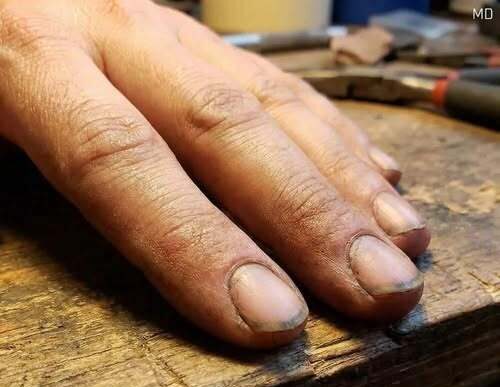
What Dirty Fingernails May Reveal About Cleanliness, Hard Work, and Everyday Perception
Why People Notice Fingernails So Quickly
Among the many small details people observe during daily interactions, fingernails often attract more attention than expected. A quick glance at someone’s hands can shape an impression before a conversation even begins.
When dirt is visible beneath the nails, many individuals immediately connect it with personal hygiene. Because hands are used constantly throughout the day, their appearance is often viewed as a reflection of cleanliness and self-care.
These reactions are understandable. From childhood, people are taught the importance of washing their hands, keeping their nails clean, and preventing the spread of germs.
As a result, darkened or dirty fingernails can trigger assumptions about a person’s habits. However, the reality behind those assumptions is often more complicated than it first appears.
The Strong Connection Between Nails and Hygiene
Hands come into contact with countless surfaces every day. Door handles, tools, keyboards, shopping carts, and work equipment all leave traces behind.
Because fingernails can trap particles, they are frequently associated with hygiene practices. Regular cleaning of the hands and nails is widely recognized as an important part of staying healthy.
When nails appear clean and well maintained, many people interpret that appearance as a sign that the individual pays attention to personal care.
In workplaces, schools, restaurants, and social gatherings, neat hands can contribute to a positive impression. They often communicate organization, responsibility, and awareness of social expectations.
Clean nails are also linked to health protection. Proper handwashing remains one of the simplest and most effective habits for reducing exposure to unwanted bacteria and other contaminants.
For these reasons, visible dirt beneath fingernails is often noticed quickly and may influence how a person is perceived.
When Dirty Nails May Raise Concerns
There are situations in which unclean fingernails can reasonably create questions about personal hygiene.
If someone spends most of their time in clean environments and has regular access to proper washing facilities, persistent dirt under the nails may suggest that grooming has been overlooked.
Professional settings often place particular emphasis on appearance. In offices, business meetings, formal events, and customer-facing roles, clean hands are commonly viewed as part of maintaining a polished image.
When nails appear visibly dirty in these environments, observers may interpret them as evidence of carelessness or neglect.
Such impressions are not always fair, but they occur frequently because people naturally associate visible cleanliness with personal responsibility.
Even so, appearances rarely provide the complete picture. A single detail seldom tells an entire story about someone’s habits, priorities, or character.
The Other Meaning Behind Darkened Fingernails
Although dirty nails are often linked to poor hygiene, they can also reflect something entirely different: physical work.
Many occupations and everyday activities involve materials that leave stubborn marks on the skin and beneath the nails.
Soil, grease, paint, dust, oil, wood particles, and metal residue can cling to the hands despite repeated attempts to wash them away.
In these situations, darkened fingernails may represent effort rather than neglect.
What appears at first glance to be poor grooming may actually be evidence of hours spent building, repairing, planting, cleaning, or maintaining something important.
The visible condition of a person’s hands can sometimes reflect the demands of their work more than their hygiene habits.
Jobs That Commonly Leave Marks on the Hands
Many skilled professions require direct contact with materials that are difficult to remove completely.
Mechanics frequently work with oil, grease, and engine components. Even after thorough cleaning, traces of these substances may remain around the fingers and under the nails.
Gardeners and farmers often spend entire days handling soil, plants, and equipment. Dirt can become deeply embedded beneath the nails during planting, digging, and harvesting tasks.
Construction workers encounter cement, dust, wood, and metal throughout their workday. These materials often leave visible signs of labor on the hands.
Painters may deal with stains that settle into small spaces around the nails. Similarly, plumbers, electricians, and welders regularly handle substances that can darken the skin and nail areas.
In each case, the marks left behind are not necessarily signs of poor hygiene. Instead, they may be reminders of productive and demanding work.
The Importance of Looking at Context
The meaning of dirty fingernails changes dramatically depending on the circumstances.
Without understanding what a person has been doing, where they have been, or what type of work they perform, it is easy to draw inaccurate conclusions.
A construction worker finishing a long shift may have hands that look very different from someone arriving at a formal business event.
The physical appearance of the nails may be similar, but the reasons behind that appearance can be completely different.
Context helps determine whether visible dirt reflects temporary work-related conditions or a genuine lack of personal care.
This distinction matters because quick judgments often overlook important details.
People frequently see the result without seeing the effort that produced it.
How First Impressions Are Formed
Human beings naturally make observations based on appearance. Clothing, posture, facial expressions, and grooming all contribute to first impressions.
Hands play a significant role because they are constantly visible during conversations, greetings, meals, and work activities.
Clean nails may create an impression of order, attention to detail, and professionalism.
Dirty nails, on the other hand, may cause observers to form less favorable assumptions before learning anything else about the individual.
These reactions are common, but they are not always accurate.
A person may have spent the entire day helping others, completing repairs, tending a garden, or performing essential labor before arriving at a social event.
Without that context, observers may mistake evidence of effort for evidence of neglect.
Respecting the Value of Physical Labor
Hands often tell stories about the work people perform.
A mechanic’s stained fingers may represent a repaired vehicle. A farmer’s dirt-covered nails may reflect hours spent producing food.
A construction worker’s rough hands may be connected to the completion of homes, buildings, or infrastructure.
Similarly, a volunteer assisting with repairs or cleanup efforts may carry visible signs of that service on their hands.
In these situations, dirt is not necessarily something to criticize. It can be a byproduct of useful, necessary, and valuable work.
The marks left behind may be temporary, but the contributions made through that labor can have lasting importance.
Recognizing this reality encourages a more balanced perspective when evaluating appearances.
Cleanliness and Hard Work Are Not Opposites
It is possible to appreciate both personal hygiene and physical labor at the same time.
Keeping hands clean remains important for health, comfort, and social interactions.
At the same time, certain jobs make it difficult to maintain spotless hands throughout the day.
A person can care deeply about cleanliness while still having stained nails after working with soil, machinery, paint, or construction materials.
The presence of dirt does not automatically mean that someone ignores hygiene practices.
Likewise, clean nails do not automatically reveal everything about a person’s character or work ethic.
Both appearance and circumstance must be considered together to form a fair assessment.
Why Assumptions Can Be Misleading
Judging people solely by visible details can lead to misunderstandings.
Dirty fingernails may seem like a straightforward indicator of poor hygiene, but that interpretation is not always correct.
Many individuals work in environments where dirt and stains are unavoidable parts of the job.
Others may have recently completed household projects, gardening tasks, vehicle repairs, or volunteer activities.
Without understanding those circumstances, observers risk overlooking the real explanation behind what they see.
A quick judgment may feel convenient, but it often lacks important information.
Taking a moment to consider context can lead to a more accurate and respectful understanding.
The Social Impact of Appearance
Appearance continues to play a significant role in how people interact with one another.
Small details frequently influence perceptions of professionalism, reliability, and self-discipline.
Because fingernails are so visible, they naturally become part of those evaluations.
In many environments, maintaining clean and tidy hands helps create positive social and professional impressions.
However, appearance should not become the sole basis for judging someone’s character.
The reality of a person’s life, work, and responsibilities often extends far beyond what can be observed in a brief moment.
Balanced judgment requires looking beyond the surface.
Finding a Fairer Perspective
Darkened fingernails can have different meanings depending on the situation.
In some cases, they may indicate that personal grooming has been neglected. In others, they may simply reflect a day spent performing demanding physical work.
The challenge lies in recognizing that both possibilities exist.
Instead of assuming the worst, it is often more reasonable to consider the broader context before reaching conclusions.
Questions about where someone has been, what tasks they have completed, and what responsibilities they carry can provide valuable perspective.
These considerations help separate assumptions from understanding.
They also acknowledge the complexity behind something that may appear simple at first glance.
Looking Beyond the Surface
Dirty fingernails occupy an interesting space between two important ideas: the value of cleanliness and the value of hard work.
Both deserve recognition.
Good hygiene supports health and social confidence, while physical labor often leaves visible evidence of effort and dedication.
Neither reality cancels out the other.
The appearance of someone’s hands may offer clues, but it rarely tells the entire story.
What looks like neglect in one situation may actually be the result of meaningful work in another.
For that reason, fingernails should be viewed as one small detail rather than a final judgment about a person.
In the end, darkened nails can sometimes reflect poor grooming, but they can also represent responsibility, service, skill, and effort. Understanding the difference requires more than a glance. It requires context, perspective, and a willingness to look beyond first impressions.
