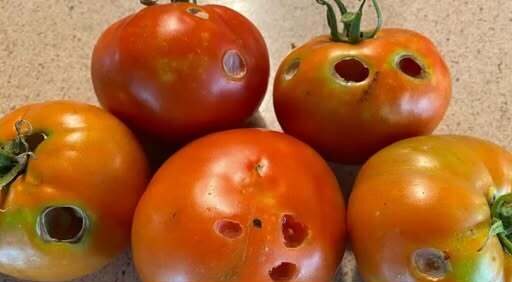
What a Small Hole in a Tomato May Reveal About the Health of Your Garden
A Tiny Opening That Raises Big Questions
Many gardeners experience a moment of concern when they discover a small hole in an otherwise healthy-looking tomato.
The fruit may appear ripe, firm, and nearly perfect until a closer inspection reveals a puncture or opening in the skin.
That discovery often leads to immediate questions about what caused the damage and whether the tomato is still safe to keep.
While a hole in a tomato can be frustrating, it does not automatically signal a major problem throughout the garden.
Instead, it serves as an important clue that something has interacted with the fruit and deserves closer attention.
The source may be insects, wildlife, environmental stress, or a combination of several factors.
Understanding the possible causes can help gardeners respond appropriately and protect future harvests.
Why Tomato Damage Rarely Happens Without a Cause
Tomatoes do not typically develop holes without some form of outside influence.
In most situations, visible openings are signs that the fruit has been affected by feeding activity, physical damage, or growth-related issues.
As tomatoes mature and become sweeter, they attract a wide variety of creatures looking for food.
Their soft texture and thin skin make them particularly vulnerable once ripening begins.
Because of this, even a small hole can provide useful information about what may be happening in the garden.
Rather than focusing only on the damaged fruit, gardeners should view it as an opportunity to investigate broader conditions affecting the plant.
Insects Are Among the Most Common Culprits
One of the leading causes of holes in tomatoes is insect activity.
Many garden pests feed directly on developing fruit, creating openings that can range from tiny punctures to larger areas of damage.
Some insects remain on the surface while feeding, leaving visible chew marks around the affected area.
Others may create an entry point and move deeper into the fruit, making the full extent of the damage difficult to see from the outside.
For gardeners, this possibility often raises concerns about what might be hidden inside the tomato.
Although not every damaged tomato contains insects, the presence of a hole suggests that a careful inspection is worthwhile.
One useful indicator is the presence of frass, which is insect waste left behind during feeding.
Frass may appear near the opening or around damaged sections of the fruit.
Its presence can help confirm that insects were involved in creating the damage.
Checking Nearby Fruit Is Important
When insect activity is suspected, examining only one tomato is rarely enough.
Nearby fruit should also be inspected for signs of similar damage.
If multiple tomatoes display small holes, chew marks, or related issues, the problem may be affecting a larger portion of the plant.
Early detection allows gardeners to identify patterns before significant losses occur.
A single damaged tomato may represent an isolated incident, while repeated damage can indicate an active pest presence that requires ongoing monitoring.
Careful observation often provides valuable insight into the scale of the issue.
Birds and Squirrels Frequently Target Ripening Tomatoes
Not all holes are created by insects.
Wildlife is another common source of tomato damage, especially as fruit becomes ripe and attractive.
Birds and squirrels are particularly known for sampling tomatoes in home gardens.
In many cases, they do not consume the entire fruit.
Instead, they take a small bite or peck and move on, leaving behind a damaged tomato that may later attract insects or begin to rot.
This type of damage can be especially frustrating because a nearly mature tomato may become unusable after only a small amount of feeding.
The openings created by birds and squirrels are often rougher or larger than insect holes, though appearance alone does not always provide a definite answer.
Examining multiple plants and looking for repeated patterns can help determine whether animals are visiting the garden.
Environmental Stress Can Create Vulnerabilities
Sometimes the problem begins before any pest or animal reaches the fruit.
Environmental stress can weaken tomato skin and create conditions that make damage more likely.
Cracking is one example.
When the skin splits, openings form that can later attract insects, encourage rot, or invite feeding by animals.
Catfacing, another growth-related condition, can produce irregular shapes and damaged-looking areas on tomatoes.
These imperfections may weaken portions of the fruit and increase susceptibility to additional problems.
Because multiple factors can occur in sequence, identifying the original cause may not always be straightforward.
A crack caused by growth stress can later become an entry point for insects, while an animal bite may eventually lead to mold and decay.
Understanding this chain of events helps explain why careful examination is so important.
Inspecting a Damaged Tomato Carefully
Before deciding whether a damaged tomato should be kept or discarded, gardeners should examine it closely.
The area surrounding the hole often provides important clues.
Fresh chewing marks, dark edges, or softened tissue may indicate how the damage occurred.
Looking for frass can help identify insect involvement.
Gardeners should also check for signs of deterioration.
Mold growth, slimy textures, or unusual discoloration may suggest that the fruit is beginning to break down.
Movement within the fruit is another warning sign that should not be ignored.
If anything appears alive inside the tomato, discarding it is generally the safest choice.
A shallow surface wound may be very different from extensive internal damage, which is why careful inspection remains essential.
When It Is Best to Discard the Fruit
Not every damaged tomato can be saved.
If the affected area shows signs of rot, mold, slime, or extensive contamination, the fruit should be removed and discarded.
Tomatoes that have been heavily damaged by pests may also be unsuitable for use.
Although throwing away part of the harvest can be disappointing, removing compromised fruit helps maintain overall garden health.
Rotting tomatoes left on plants or on the ground can attract additional pests and encourage further problems.
Prompt removal reduces opportunities for insects and animals to return.
In this way, discarding a damaged tomato becomes part of routine garden maintenance rather than a sign of failure.
Protecting Tomatoes From Animal Visitors
When birds or squirrels appear to be responsible, physical barriers can offer effective protection.
Netting is one commonly used option for preventing access to ripening fruit.
Garden fabric may also provide protection depending on the arrangement of the plants.
The objective is to create a barrier that limits access while still allowing adequate airflow and sunlight.
Protective coverings become particularly valuable during the ripening stage, when tomatoes are most attractive to wildlife.
Although barriers cannot repair fruit that has already been damaged, they can help safeguard future harvests.
For gardeners experiencing repeated losses, these protective measures can make a noticeable difference.
Routine Monitoring Helps Prevent Larger Problems
Regular inspection is one of the simplest and most effective gardening habits.
Frequent checks allow gardeners to identify issues before they become widespread.
Examining leaves, stems, and fruit for signs of damage can reveal insect activity, animal visits, or developing disease concerns.
Damaged fruit can be removed promptly, reducing the likelihood of attracting additional pests.
Routine observation also helps identify patterns.
If damage consistently appears on exposed tomatoes, wildlife may be involved.
If small holes appear throughout multiple plants, insects may be the primary concern.
Recognizing these trends early provides more opportunities for effective intervention.
Companion Planting Can Support Healthy Growth
Many gardeners incorporate companion plants into their tomato-growing strategy.
Basil and marigolds are among the most commonly used companions.
These plants contribute to a diverse garden environment and are often included alongside tomatoes as part of broader maintenance practices.
Companion planting is not a complete solution to every garden challenge.
However, it can complement other efforts such as monitoring, cleanup, and consistent watering.
A balanced planting arrangement may support healthier growing conditions overall.
Even when companion plants are present, damaged tomatoes should still be inspected carefully to determine the source of any holes or wounds.
The Importance of Consistent Watering
Water management plays a significant role in tomato development.
Uneven watering can contribute to fruit cracking and other stress-related problems.
When cracks form, the fruit becomes more vulnerable to insects, rot, and additional damage.
Maintaining consistent moisture levels helps support steady growth and stronger skin development.
While proper watering cannot prevent every issue, it reduces the likelihood of avoidable weaknesses that make tomatoes easier targets.
Healthy fruit generally withstands environmental challenges more effectively than fruit already compromised by stress.
For this reason, regular watering remains an important part of overall tomato care.
Keeping the Garden Clean Reduces Risk
Garden sanitation is often overlooked, but it can have a significant impact on plant health.
Fallen fruit, damaged tomatoes, and plant debris can attract unwanted visitors.
Insects and animals may view these materials as easy food sources and continue returning to the area.
Removing damaged fruit from the ground helps reduce those opportunities.
Keeping the area around plants tidy also makes inspections easier and allows new problems to be spotted more quickly.
A clean garden environment supports healthier growing conditions and can discourage recurring pest activity.
Although cleanup may seem like a simple task, its benefits often extend throughout the growing season.
A Damaged Tomato Is Not a Sign of Failure
Finding a hole in a tomato can be disappointing, especially after investing time and effort into caring for the plant.
However, occasional damage is a normal part of gardening.
Tomatoes grow outdoors where insects, wildlife, weather conditions, and plant stress all influence the final harvest.
A single damaged fruit does not mean the garden is in trouble.
Instead, it offers useful information about conditions that may need attention.
The hole may point to pest activity, animal feeding, or growth-related stress.
Understanding those clues allows gardeners to make informed decisions and improve protection for the remaining crop.
Learning From What the Garden Reveals
Every tomato tells a story about the environment in which it developed.
A small hole may seem insignificant at first glance, but it can reveal valuable details about what is happening around the plant.
By taking time to inspect damaged fruit, gardeners gain a better understanding of potential threats and opportunities for improvement.
Protective barriers, routine inspections, companion planting, consistent watering, and regular cleanup all contribute to healthier plants and stronger harvests.
The appearance of a hole should not be viewed solely as a problem.
It is also a source of information.
When gardeners learn to recognize and interpret these signs, they become better equipped to care for their plants and respond to challenges as they arise.
A damaged tomato may not be the harvest anyone hoped for, but it can provide valuable lessons that help protect the fruit still growing on the vine.
“`
