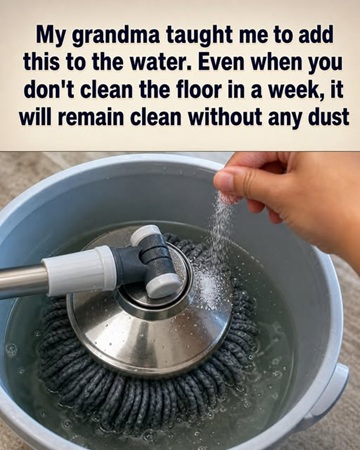
Simple Floor Cleaning Methods Continue to Gain Popularity Among Homeowners Seeking Longer-Lasting Results
Why Keeping Floors Clean Can Feel Like a Never-Ending Task
For many households, maintaining clean floors is one of the most frequent and demanding parts of home care. Even after a thorough cleaning session, dust and debris often seem to return much faster than expected.
Daily responsibilities, work schedules, and family activities can make regular cleaning feel challenging. Tasks such as sweeping, vacuuming, and mopping require time and energy that many people struggle to find consistently.
As a result, homeowners frequently search for practical ways to keep floors looking fresh for longer periods without significantly increasing their cleaning workload.
Many of the methods people rely on today are based on simple household practices that have been shared across generations. These approaches often involve common ingredients already found in kitchens, laundry rooms, or bathroom cabinets.
Rather than replacing commercial cleaning products, these methods are typically used to support regular maintenance routines and help create a cleaner living environment.
Understanding Why Floors Collect Dirt So Quickly
One of the most common frustrations homeowners experience is watching floors become dusty shortly after cleaning.
Several factors contribute to this problem.
Dust particles constantly circulate through homes as people move from room to room. Opening doors and windows can also introduce outdoor particles that eventually settle on indoor surfaces.
Cooking activities create tiny residues that may cling to floors and other household surfaces. Over time, these residues can attract additional dust and dirt.
Shoes brought in from outside can also transfer small particles, moisture, and debris throughout the home.
Even in households that follow regular cleaning schedules, these everyday activities can quickly affect the appearance of floors.
As a result, maintaining cleanliness often requires more than occasional deep cleaning. Consistency becomes an important factor in achieving longer-lasting results.
The Role of Dust and Air Movement
Many people underestimate how easily dust travels throughout a home.
Dust particles are lightweight and can remain suspended in the air for extended periods before settling onto surfaces.
Heating and cooling systems can contribute to this movement by circulating air from room to room.
Walking across floors, rearranging furniture, or simply opening a door can disturb settled particles and redistribute them throughout the house.
This constant movement explains why a floor that appeared spotless in the morning may show signs of dust accumulation by the end of the day.
Understanding this process helps homeowners set realistic expectations regarding floor maintenance and cleanliness.
How Residue Can Affect Floor Appearance
Dust is not the only factor influencing how quickly floors appear dirty.
Invisible residues often remain behind after everyday activities.
Cooking oils, food particles, spilled beverages, and other substances can leave thin films on floor surfaces.
Although these residues may not be immediately noticeable, they can create conditions that allow dust and dirt to adhere more easily.
Over time, this buildup can cause floors to lose some of their original shine and freshness.
Regular cleaning helps remove these layers and maintain a cleaner appearance.
This is one reason why many cleaning routines focus on removing both visible dirt and less noticeable surface residue.
The Impact of Static Electricity
In some homes, static electricity may also contribute to cleaning challenges.
Dry indoor conditions can increase static buildup, particularly during certain seasons.
When static electricity is present, dust, hair, and other lightweight particles may cling more readily to smooth surfaces.
This can make freshly cleaned floors appear dusty sooner than expected.
Because of this effect, some homeowners explore cleaning methods designed to reduce static while improving overall floor cleanliness.
Although results can vary, reducing dust attraction remains a common goal in many household cleaning routines.
The Importance of Proper Preparation
Before any mopping begins, preparation plays a critical role in achieving effective results.
Many cleaning professionals and experienced homeowners consider this step essential.
Sweeping or vacuuming first removes loose debris such as dust, crumbs, pet hair, and dirt.
Skipping this stage can make mopping less effective because the cleaning solution may simply spread particles across the floor.
Removing larger debris beforehand allows the mop to focus on surface cleaning rather than collecting loose dirt.
This extra effort often leads to a cleaner finish and can help maintain floor appearance for a longer period.
Popular Household Ingredients Used in Cleaning
Many home cleaning routines incorporate ingredients that are already available in most households.
These products are frequently used because they are convenient, affordable, and easy to obtain.
Mild dish soap is commonly included to help address greasy residues that may accumulate on floors.
White vinegar is another popular choice and is often used in diluted cleaning mixtures.
Baking soda has long been associated with odor control and gentle cleaning applications.
Rubbing alcohol is sometimes included because it evaporates quickly and may assist with drying.
Salt occasionally appears in traditional cleaning practices as a mild scrubbing aid.
Some people also use small amounts of fabric softener in diluted solutions to introduce fragrance and reduce static buildup.
These ingredients are typically combined with water and used as part of an overall cleaning routine.
How Homemade Cleaning Mixtures Are Commonly Prepared
Many people who use household ingredients begin with a bucket of warm water.
Selected ingredients are then added in small quantities.
The goal is generally to create a balanced solution that supports routine floor cleaning.
Dish soap may be used to help break down oily spots and surface residue.
Vinegar is often added in diluted amounts for general cleaning purposes.
Baking soda may be incorporated when odor control is a priority, particularly in kitchens or busy areas of the home.
Some cleaning routines include rubbing alcohol because of its quick evaporation characteristics.
Fabric softener is sometimes used sparingly to leave a pleasant scent and potentially reduce static on certain surfaces.
Homeowners who use these methods often adjust their mixtures according to personal preferences and cleaning needs.
Using a Mop Solution Effectively
Once a cleaning solution has been prepared, proper application becomes important.
A mop is typically dipped into the solution and then wrung out thoroughly before use.
Removing excess liquid helps prevent over-saturation of the floor.
Cleaning in sections allows for more consistent coverage and helps ensure that the solution is distributed evenly.
Working methodically from one area to another can improve efficiency and reduce missed spots.
After mopping is complete, allowing the floor to dry naturally is generally recommended.
Good airflow and ventilation can assist with drying and help reduce the likelihood of streaks or water marks.
Taking time to complete each step carefully often contributes to better overall results.
Why Many Homeowners Prefer Simple Cleaning Routines
One reason simple cleaning methods remain popular is affordability.
Many of the ingredients involved are already available in most households, reducing the need for additional purchases.
Convenience is another factor.
People often appreciate being able to create a cleaning solution quickly using products they already have on hand.
These routines can also be adjusted according to individual needs and preferences.
Some homeowners prefer lighter mixtures for everyday maintenance, while others choose stronger solutions for areas that experience heavier use.
The flexibility of these methods makes them appealing to a wide range of households.
For many people, simplicity is an important part of maintaining a consistent cleaning schedule.
Important Surface and Safety Considerations
Not all flooring materials respond the same way to cleaning products.
Different surfaces may require different levels of care and attention.
Tile, laminate, vinyl, and sealed wood can each react differently to various cleaning ingredients.
Because of these differences, testing a new cleaning solution on a small, less noticeable area is often considered a sensible precaution.
This approach allows homeowners to observe how the surface responds before treating larger sections.
Some flooring materials may be sensitive to strong cleaning agents or highly concentrated mixtures.
Using ingredients in moderation and ensuring proper dilution can help reduce the risk of unwanted effects.
Taking these precautions supports both safety and long-term floor maintenance.
Building Consistent Cleaning Habits
Many cleaning experts and experienced homeowners agree that consistency often matters more than complexity.
Regular maintenance can prevent dirt and residue from accumulating to difficult levels.
Small cleaning efforts performed routinely may reduce the need for more intensive cleaning sessions later.
Developing a manageable schedule helps many households maintain a cleaner environment without feeling overwhelmed.
Simple habits such as removing shoes indoors, sweeping frequently, and addressing spills quickly can contribute significantly to overall cleanliness.
These small actions often work together to create noticeable long-term improvements.
Rather than relying on a single solution, successful floor care is usually the result of multiple good habits practiced consistently.
Creating a More Comfortable Home Environment
Clean floors contribute to more than appearance alone.
Many people associate a well-maintained home with comfort, organization, and peace of mind.
A cleaner environment can make living spaces feel more inviting and pleasant for both residents and visitors.
Regular cleaning also helps create a sense of order that many individuals find beneficial in daily life.
While dust and dirt are inevitable parts of maintaining a home, practical routines can help reduce their impact.
Combining sweeping, vacuuming, and careful mopping often provides an effective foundation for floor care.
When these practices become part of a regular schedule, maintaining cleanliness may feel less demanding over time.
Final Thoughts on Long-Term Floor Care
Keeping floors clean does not necessarily require complicated techniques or expensive products.
Many homeowners find success through simple, consistent routines supported by common household ingredients.
Understanding how dust accumulates, preparing surfaces properly, and choosing suitable cleaning methods can all contribute to better results.
While no approach can completely eliminate dust or prevent future buildup, regular maintenance can help floors remain cleaner and fresher for longer periods.
The most effective cleaning strategy is often one that fits comfortably into everyday life and can be maintained consistently.
By combining practical habits with thoughtful cleaning practices, many households are able to create a cleaner, more comfortable environment that supports both appearance and daily well-being.
