Forgotten Kitchen Gadget From a Grandmother’s Drawer Sparks Online Nostalgia and Unease
A Surprising Discovery Hidden in an Old Household Drawer
A simple moment of sorting through a late grandmother’s belongings turned into an unexpected source of widespread online discussion when a strange metal object was discovered inside a kitchen drawer.
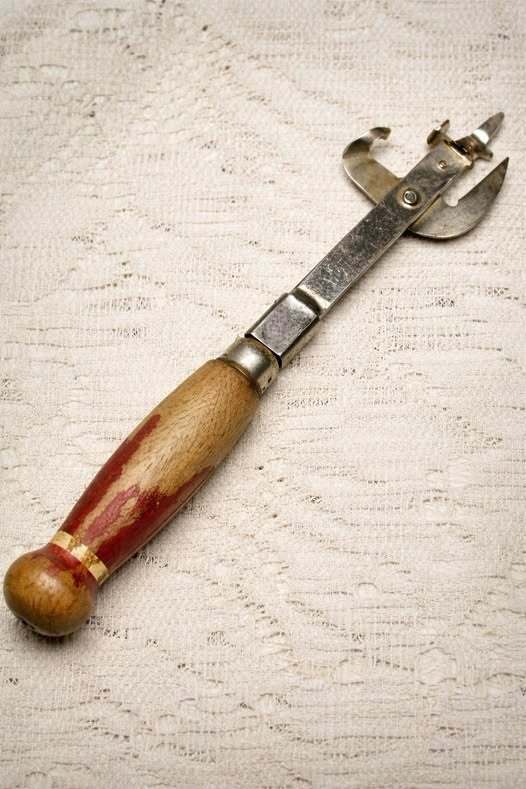
At first glance, the item appeared harsh and unfamiliar. Its jagged metal edge, worn handle, and pointed structure gave it an unsettling appearance that immediately stood out among ordinary household utensils.
Rather than resembling a typical kitchen tool, it seemed closer to something industrial or improvised. Many viewers described it as looking more like equipment from a workshop or survival kit than something meant for cooking.
The fact that it was found among everyday kitchen items added to the confusion. It was tucked away in a space usually reserved for spoons, ladles, and harmless utensils, making its presence even more puzzling.
Once images of the object began circulating, reactions spread quickly. The discovery triggered curiosity, concern, and even emotional memories tied to older generations of home cooking.
What started as a simple question about an unidentified tool soon grew into a broader reflection on how domestic life has changed over time.
Immediate Reactions and Emotional Responses Online
As soon as the image was shared widely, people began reacting with a mix of confusion and fascination. The object’s sharp edges and rough metal construction led many to assume it could be dangerous.
Some viewers openly admitted they had never seen anything like it before. Others immediately felt uneasy, unsure of how such a tool could be used in a kitchen environment.
However, not all reactions were based on confusion. A number of people recognized the object right away and recalled having seen similar tools in older homes during their childhood.
For those individuals, the discovery did not feel mysterious but instead brought back strong personal memories. Many of those memories were tied to discomfort, caution, and the challenges of using older kitchen equipment.
Some recalled the physical difficulty of operating such tools. Others remembered warnings from adults about staying away from kitchen drawers filled with sharp or unpredictable utensils.
The conversation quickly evolved beyond simple identification. It became a shared space for recalling how different household routines once felt compared to modern standards.
A Tool From a Different Era of Kitchen Design
The object was eventually identified as an older style of can-opening tool, designed for puncturing and cutting through metal containers using direct force.
Unlike modern can openers, which typically use smooth rolling mechanisms and safety-focused designs, this earlier version required the user to manually pierce the metal surface before working around the lid.
The design was straightforward but physically demanding. It relied on strength, precision, and careful control to avoid slipping or bending the sharp edges of the can.
While functional, it did not prioritize comfort or safety in the way modern kitchen tools do. Instead, it reflected a time when durability and utility were the primary concerns in household equipment.
Using the tool meant engaging directly with sharp metal surfaces and applying consistent pressure. Even small mistakes could result in cuts, uneven edges, or difficulty finishing the task.
This explanation helped clarify why so many people reacted strongly to the object’s appearance. What looked alarming today was once a practical and common household item.
Why Older Kitchen Tools Felt More Intense to Use
The design of older can-opening tools placed users much closer to the sharp and forceful aspects of the task. There were fewer protective features separating the hand from the metal surface being cut.
Instead of smooth mechanical assistance, the process required direct interaction with resistance and sudden movement. When the metal finally gave way, it could shift unexpectedly.
This created an experience that demanded caution at every step. Users had to maintain steady pressure while ensuring their grip remained secure throughout the process.
Modern kitchen tools often reduce this kind of exposure by introducing protective mechanisms, ergonomic handles, and smoother motion systems. These improvements distance the user from the most hazardous points of contact.
In contrast, older designs offered little separation between the user and the cutting edge. This is one reason they are remembered with both nostalgia and discomfort.
Even those who used such tools regularly often recall them as requiring patience and care, especially when dealing with tightly sealed containers or difficult metal lids.
A Glimpse Into Household Life of the Past
The rediscovered object also highlighted how different everyday kitchen life once was. Many household tools from earlier decades were built with a focus on practicality rather than ease of use.
In older kitchens, sharp edges, heavy utensils, and manual effort were common features of daily cooking routines. Safety improvements that are standard today were not always part of everyday design.
This meant that ordinary tasks often carried a greater degree of physical engagement. Opening containers, preparing food, and handling cookware frequently required strength and careful attention.
The can-opening tool fits naturally into this context. It was designed to accomplish a basic function, even if that meant accepting a higher level of physical risk.
People adapted to these conditions as part of normal household life. Awareness of potential injury was often built into routine behavior rather than managed through protective design.
Looking back, this contrast helps explain why modern viewers find such tools unsettling, even when they were once completely ordinary.
Why the Object Resonated Across Generations
The strong reaction to the tool came from the way it connected different generations through shared but unequal memories.
Younger viewers often saw only a strange and intimidating object without context. Its sharp form and unfamiliar structure made it difficult to understand its purpose.
Older viewers, however, often recognized it instantly and associated it with kitchens from their past. For them, the object was not mysterious but deeply familiar.
This difference created an emotional gap in interpretation. What seemed alarming to one group could feel nostalgic or even humorous to another.
The object became a symbol of how everyday items can disappear from common use so completely that they later appear unrecognizable to new generations.
It also demonstrated how memory and experience shape perception. The same tool could represent both comfort and discomfort depending on personal history.
The Emotional Weight of Forgotten Objects
Beyond its practical explanation, the tool carried emotional meaning because it was tied to domestic memory and family history.
Objects like this often remain stored long after they stop being used. Over time, they become silent reminders of past routines and household traditions.
When rediscovered, they can evoke strong reactions because they bridge the gap between past and present living conditions.
For some, the object recalled kitchens filled with older appliances, handwritten recipes, and the sounds of manual preparation. For others, it recalled warnings and careful instructions about handling sharp tools.
This duality is part of what made the discussion so engaging. The object was not just a tool but a trigger for memory and reflection.
Even without knowing its exact identity at first, people connected to it through emotion rather than function.
From Confusion to Recognition
As more people contributed their knowledge and memories, the initial confusion gradually shifted into understanding.
Once the tool was identified as an older can-opening device, the discussion changed tone. What had seemed strange and possibly dangerous became a recognizable part of domestic history.
Recognition brought clarity, but it also brought reflection. People began comparing past and present kitchen tools and considering how design priorities have evolved over time.
The conversation highlighted how convenience and safety have gradually become central to modern household equipment.
At the same time, it acknowledged that older tools reflected the standards and expectations of their own time, when durability and function were often prioritized above comfort.
A Reminder of Changing Everyday Life
The rediscovered kitchen tool ultimately served as a reminder of how much everyday life has transformed across generations.
What once felt completely ordinary can now appear unusual or even alarming when viewed through a modern lens.
The object’s sharp appearance and simple function contrasted sharply with today’s smoother, safer designs, making it a powerful symbol of change.
Its reappearance did more than identify a forgotten utensil. It encouraged reflection on how household routines have evolved and how design improvements have reshaped daily tasks.
In the end, the discussion revealed that even the most ordinary objects can carry deep historical and emotional meaning when they resurface after years of being forgotten.
The tool, once hidden in a drawer, became a quiet link between generations, showing how everyday life continues to evolve while still holding traces of the past.
:::
