What to Do If You Start Noticing Eye Floaters
Understanding Eye Floaters and Why They Appear
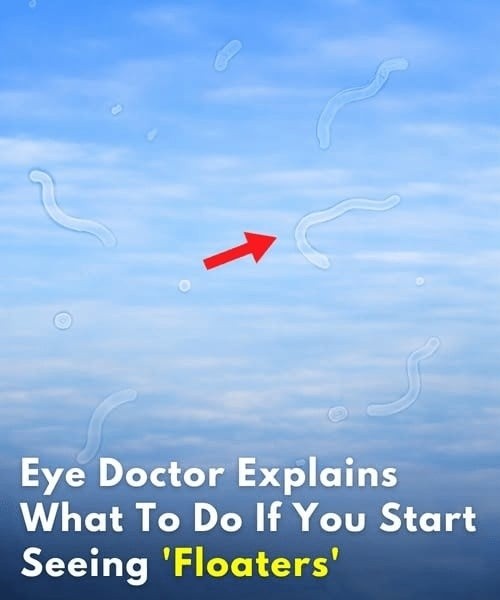
Eye floaters are small visual disturbances that can appear as tiny specks, thread-like strands, or cobweb-shaped marks drifting across your field of vision. They are often most noticeable when looking at bright or uniform backgrounds such as a clear sky, a white wall, or a computer screen. While they can be distracting or even concerning at first, they are commonly linked to natural changes inside the eye.
Inside the eye is a clear gel-like substance known as the vitreous. Over time, this gel can gradually change in structure. As part of the normal aging process, the vitreous may slowly shrink and become less uniform. During this process, small clumps or strands can form within it. These internal changes cast shadows on the retina, which is the light-sensitive layer at the back of the eye responsible for vision. Those shadows are what the brain perceives as floaters.
For many individuals, floaters develop gradually and become something the brain learns to ignore. They may still be visible, but they often blend into the background of everyday vision over time. In many situations, they do not indicate a serious health problem and are simply part of how vision naturally changes with age.
When Eye Floaters Are Usually Not a Cause for Alarm
In most cases, floaters are considered a normal and non-emergency condition when they appear slowly and remain stable over time. When changes happen gradually over months or even years, the visual system often adapts, and the floaters become less noticeable in daily life.
Another reassuring sign is when the number of floaters does not suddenly increase. A stable pattern, where floaters remain similar in size, shape, and frequency, typically suggests a harmless age-related change within the vitreous rather than an acute problem affecting the retina.
The absence of additional symptoms is also important. When floaters occur without flashes of light, they are generally less concerning. Likewise, if peripheral vision remains normal and there is no dark shadow or curtain effect moving across the visual field, the situation is often considered stable and non-urgent.
Even when floaters appear harmless, it is still important to monitor any changes over time. New or evolving visual disturbances can provide useful information during routine eye examinations, especially for individuals with higher risk factors such as nearsightedness or a history of eye-related conditions.
Warning Signs That Require Immediate Attention
While many floaters are harmless, certain visual changes can indicate a more serious underlying issue involving the retina. These warning signs should be treated as urgent because they may be associated with retinal tears or retinal detachment, both of which can threaten vision if not addressed promptly.
A sudden increase in floaters, especially when they appear in large numbers at once or resemble a “shower” of dark specks, is one of the most important warning signs. This type of abrupt change differs significantly from the slow development of typical age-related floaters.
Flashes of light are another serious symptom. These flashes may appear as brief flickers, lightning-like streaks, or camera flash effects, often noticeable in the peripheral vision. Their presence can indicate traction or disturbance within the retina, which requires immediate evaluation.
A dark shadow, curtain, or veil moving across part of the visual field is also a critical warning sign. This type of vision change can suggest that the retina is being affected in a way that interferes with normal light processing, potentially signaling a detachment.
Sudden blurring of vision or a noticeable drop in clarity should also be treated with urgency, especially if it occurs alongside floaters or flashes. Any recent eye injury followed by new visual symptoms further increases concern and should not be delayed in evaluation.
Why Immediate Evaluation Matters
When concerning symptoms appear suddenly, time becomes an important factor in protecting vision. Delaying assessment can increase the risk of complications if the underlying issue involves the retina.
A prompt and thorough eye examination allows professionals to evaluate the condition of the retina and determine whether it remains stable or is at risk of further damage. In many cases, a dilated eye exam is used to gain a clearer view of internal eye structures, making it possible to detect early signs of retinal tears.
When a retinal tear is identified early, intervention may help prevent progression to a more serious detachment. Addressing the issue at an early stage can significantly reduce the risk of long-term vision impairment. This is why sudden changes in vision should never be ignored or delayed.
Immediate Steps to Take When Floaters Appear Suddenly
When new floaters are noticed, the first step is to carefully observe how quickly the change occurred. A sudden appearance of multiple floaters is more concerning than a gradual presence of one or two over time. The pattern and speed of change provide important clues about whether the situation is stable or urgent.
It is also important to check for additional symptoms such as flashes of light or shadow-like areas in vision. The combination of floaters with these symptoms increases the likelihood of a more serious retinal condition that requires immediate attention.
Seeking an urgent eye examination is essential when symptoms appear suddenly. Same-day evaluation is often recommended when floaters are accompanied by flashes or vision loss. Quick action allows for timely diagnosis and appropriate care if needed.
If vision is significantly affected, avoiding activities such as driving is important for safety. Arranging transportation ensures that further risk is minimized while seeking medical evaluation.
Following professional guidance after an examination is also critical. Even if initial results do not show immediate danger, follow-up evaluations may be necessary to ensure that no delayed changes occur in the retina.
Factors That May Increase the Risk of Serious Eye Conditions
While floaters themselves are common, certain conditions and medical histories can increase the likelihood of more serious retinal problems. Individuals with high levels of nearsightedness may be more prone to changes in the structure of the vitreous and retina, which can increase risk.
A history of retinal tears or detachment also raises the likelihood of future issues. Eyes that have experienced previous retinal problems may require closer monitoring when new symptoms appear.
Past eye surgeries, including procedures such as cataract removal, can also influence retinal stability. Changes within the eye following surgery may increase susceptibility to floaters or retinal complications in some individuals.
Medical conditions such as diabetes can affect the blood vessels in the eye and contribute to various forms of eye disease. These changes may increase vulnerability to visual disturbances that require medical attention.
A family history of retinal detachment can also be a relevant factor. Genetic or structural tendencies may play a role in eye health, making awareness of symptoms especially important.
In addition, recent eye trauma or injury is a significant risk factor. Physical impact to the eye can disrupt internal structures and may lead to sudden changes in vision that require immediate evaluation.
Understanding the Importance of Timely Response
Eye floaters are often harmless and simply part of the natural aging process of the eye. Many people live with them without any serious impact on daily vision. However, the key concern lies in recognizing when floaters represent something more urgent.
The distinction between harmless floaters and serious retinal symptoms often depends on sudden changes, accompanying flashes, or shadows in vision. These signs should always be treated with caution because they may indicate conditions that require immediate care to preserve eyesight.
Timely attention can make a significant difference in outcomes. Early detection of retinal issues increases the chances of successful treatment and helps protect long-term vision health.
Maintaining awareness of visual changes and responding quickly to sudden symptoms ensures that potential problems are addressed before they progress. Protecting vision relies on understanding both the normal nature of floaters and the warning signs that should never be ignored.
In most cases, floaters remain a manageable and non-threatening part of life. However, when changes occur suddenly or are accompanied by additional symptoms, immediate evaluation becomes essential. Preserving eyesight depends on recognizing these differences and responding without delay when necessary.
