
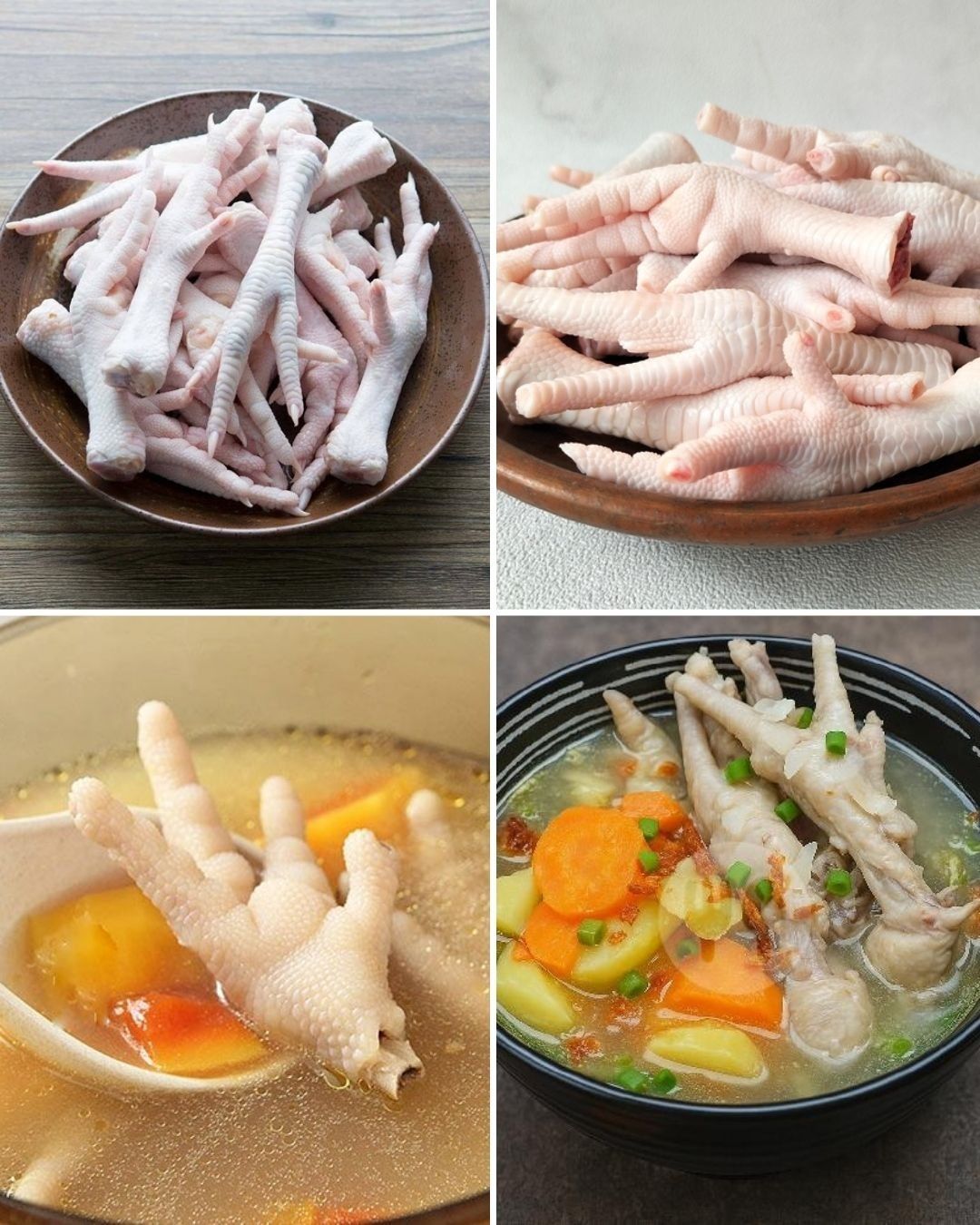
Why Chicken Feet Are Making a Comeback as a Nutritious Traditional Food
An Underrated Ingredient With a Long History
Chicken feet may not be the first ingredient that comes to mind when planning a meal, yet they have been enjoyed in many cultures for generations. Long before modern dietary trends highlighted the value of whole-food nutrition, families around the world were incorporating every useful part of the animal into their cooking.
Among those ingredients, chicken feet earned a place in countless traditional recipes because of their flavor, affordability, and nutritional qualities. While some people overlook them due to their appearance, others continue to appreciate them as a valuable addition to soups, stews, and broths.
In recent years, interest in traditional cooking methods has grown, bringing renewed attention to ingredients that were once considered ordinary household staples. Chicken feet have become part of that movement, attracting people who are searching for natural sources of nutrition and flavorful cooking ingredients.
Their popularity is not based solely on tradition. Chicken feet contain a variety of nutrients that can complement a balanced eating plan and contribute to a more diverse diet.
A Nutrient-Dense Addition to Everyday Meals
Although chicken feet are simple in appearance, they contain a surprisingly rich nutritional profile. They provide protein, collagen, and important minerals that many people seek as part of a healthy lifestyle.
Because they are often used in slow-cooked dishes, their nutrients are gradually released into the cooking liquid, creating broths and soups that are both flavorful and nourishing.
Many traditional recipes rely on long cooking times, allowing the natural components found in chicken feet to enrich the overall dish. The result is a meal that offers both taste and nutritional value without requiring expensive ingredients.
For households looking to maximize food resources while maintaining quality meals, chicken feet represent a practical option that has stood the test of time.
The Importance of Collagen
One of the most discussed nutritional characteristics of chicken feet is their high collagen content.
Collagen is a naturally occurring protein found throughout the body. It plays an important role in the structure and function of various tissues, including skin, cartilage, tendons, and ligaments.
As people grow older, the body’s natural production of collagen gradually decreases. This process is a normal part of aging and has contributed to growing interest in foods that naturally contain collagen.
Chicken feet provide a traditional food-based source of this protein. Rather than relying entirely on processed supplements, many people prefer obtaining nutrients through whole foods whenever possible.
Including collagen-rich ingredients in meals can be an appealing option for those seeking a natural approach to nutrition.
Supporting Healthy Skin Through Nutrition
Healthy skin depends on a variety of factors, including hydration, lifestyle habits, and nutrition.
Collagen contributes to the structure of the skin and is associated with firmness, elasticity, and moisture retention. Because chicken feet naturally contain collagen, they have attracted attention among people interested in maintaining healthy-looking skin.
Many traditional cultures valued collagen-rich broths long before collagen became a widely discussed nutritional topic. These recipes were often passed down through generations and prepared regularly as part of family meals.
Today, those same dishes continue to be appreciated by individuals who want to incorporate nutrient-rich foods into their diets.
While no single food can determine overall skin health, chicken feet can serve as one component of a varied and balanced eating plan.
A Potential Ally for Joint Health
Another reason chicken feet have remained popular in many culinary traditions is their connection to joint and connective tissue nutrition.
Collagen is a major structural component of cartilage, tendons, and ligaments. These tissues help support movement, flexibility, and physical activity throughout daily life.
Whether someone enjoys exercise, participates in recreational sports, or simply wants to stay active as the years pass, maintaining healthy connective tissues becomes increasingly important.
Foods that naturally contain collagen may be a useful addition to a diet focused on overall wellness and mobility.
Chicken feet provide a simple and accessible way to include collagen-rich ingredients in regular meals without requiring specialized products or supplements.
A Traditional Food for Active Lifestyles
People with active lifestyles often pay close attention to the nutrients they consume.
Protein plays a central role in many balanced diets, and chicken feet contain protein alongside their collagen content. This combination has helped them maintain a place in traditional cooking even as dietary preferences have evolved.
For physically active individuals, nutrient-dense foods can help support overall dietary goals. While chicken feet are not intended to replace other protein sources, they can complement a varied eating pattern that includes a wide range of nutritious foods.
Their versatility makes them easy to incorporate into meals prepared for families, athletes, or anyone interested in wholesome home cooking.
The Value of Important Minerals
In addition to collagen and protein, chicken feet contain minerals that contribute to their nutritional appeal.
Minerals play a variety of roles throughout the body and are essential for maintaining normal physiological functions.
Although chicken feet are often discussed primarily because of their collagen content, their mineral profile adds another dimension to their value as a food ingredient.
Combined with vegetables, herbs, and other ingredients commonly used in soups and stews, they can contribute to meals that are both satisfying and nutrient-rich.
This combination of affordability and nutritional value is one reason chicken feet have remained relevant across generations.
Why Traditional Broths Remain Popular
Homemade broth has long been considered one of the most comforting and versatile foods in many cuisines.
Chicken feet are frequently used in broth preparation because slow cooking helps extract flavor and nutrients into the liquid.
As the ingredients simmer over time, the broth develops a rich texture that many cooks appreciate.
The resulting liquid can be enjoyed on its own or used as a foundation for soups, sauces, and other recipes.
Because of their natural collagen content, chicken feet contribute to the distinctive body and texture that characterize many traditional broths.
For generations, home cooks have relied on this method to create flavorful meals while making full use of available ingredients.
Easy Ways to Incorporate Chicken Feet Into Meals
Despite their reputation as an unusual ingredient, chicken feet can be surprisingly simple to prepare.
One of the most common methods involves adding them to soups and broths during long cooking sessions. This approach allows their nutrients and flavor to gradually blend into the dish.
They can also be included in stews where slow simmering helps create a rich and satisfying texture.
Some cuisines prepare chicken feet as standalone dishes, while others use them primarily as a flavor-enhancing ingredient.
Their adaptability makes them suitable for a wide range of cooking styles and recipes.
Whether used as a central ingredient or as part of a larger dish, chicken feet can easily become part of a nutritious meal.
Affordability and Sustainability
One reason chicken feet have remained important in traditional food cultures is their affordability.
They offer an economical way to add nutritional value to meals while helping reduce food waste.
Many traditional cooking practices emphasize making use of all edible parts of an animal whenever possible. This approach reflects a practical philosophy that values resourcefulness and respect for food.
By incorporating ingredients that might otherwise be overlooked, households can create nourishing meals while maximizing the value of their food purchases.
This practical benefit continues to appeal to many families today.
A Growing Interest in Traditional Foods
Modern consumers are increasingly exploring traditional foods and cooking techniques.
Many people are becoming interested in ingredients that have been used successfully for generations rather than relying exclusively on heavily processed products.
Chicken feet fit naturally within this trend.
They represent a connection to culinary traditions that emphasize simple ingredients, slow cooking, and nutrient-rich meals.
As awareness grows, more home cooks are discovering that foods once considered old-fashioned often possess qualities that remain relevant in contemporary diets.
This renewed appreciation has helped bring chicken feet back into the spotlight.
Balancing Tradition and Modern Nutrition
The growing popularity of chicken feet highlights the intersection between traditional culinary practices and modern nutritional interests.
People today are often looking for foods that provide meaningful nutritional value while remaining accessible and affordable.
Chicken feet meet those criteria by offering collagen, protein, minerals, and culinary versatility in a single ingredient.
At the same time, they preserve a connection to generations of cooking knowledge that emphasized practical nutrition through whole foods.
This combination of heritage and functionality helps explain why chicken feet continue to attract attention among both experienced cooks and newcomers alike.
A Simple Ingredient With Lasting Value
Chicken feet may not receive the same recognition as many modern health foods, but their nutritional qualities have been appreciated for decades.
Rich in collagen, protein, and valuable minerals, they provide a traditional source of nourishment that can complement a balanced diet.
From supporting healthy skin and connective tissues to enhancing the flavor and texture of broths and soups, their benefits extend beyond simple nutrition.
They also represent a practical, affordable, and resource-conscious approach to cooking that remains relevant today.
As interest in wholesome foods continues to grow, chicken feet are finding a new audience among people seeking natural ingredients with a long history of culinary use.
Whether enjoyed in a comforting broth, a hearty stew, or another traditional recipe, chicken feet demonstrate that some of the most valuable foods are often the ones hiding in plain sight.

