
Monica Lewinsky Reflects on Public Scandal, Power Dynamics, and Reclaiming Her Story Three Decades Later
A Defining Chapter Revisited
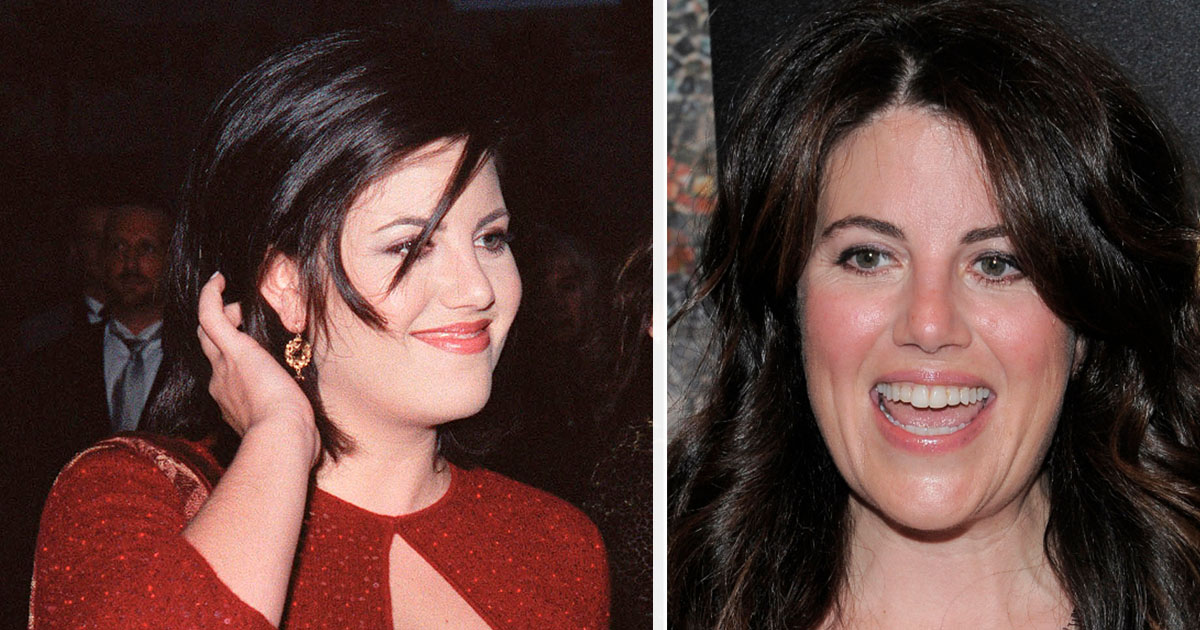
More than 30 years after becoming one of the most recognizable figures in a political scandal that captivated the United States, Monica Lewinsky is speaking candidly about the experience that changed her life forever.
Now 51 years old, Lewinsky is revisiting one of the most scrutinized periods of modern American history and offering her perspective on the relationship that placed her at the center of worldwide attention.
During an appearance on Elizabeth Day’s podcast How To Fail, Lewinsky reflected on her relationship with former President Bill Clinton and the personal consequences that followed after the affair became public.
The scandal not only dominated news coverage for months, but also triggered a political crisis that led to impeachment proceedings and transformed Lewinsky into a household name.
While the political implications received enormous attention at the time, Lewinsky has increasingly focused on discussing the personal impact of those events and how they affected her future.
A Relationship Viewed Through Time
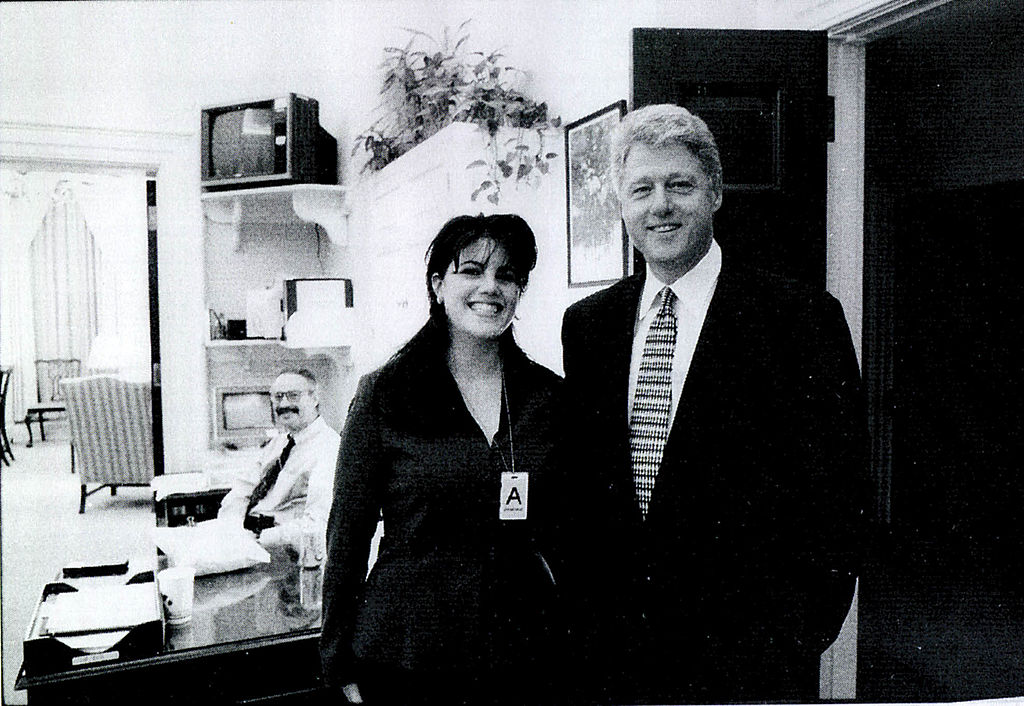
Lewinsky was 22 years old when the relationship became public knowledge.
Clinton was 49 years old and serving as President of the United States during the period in question.
Looking back on that chapter of her life, Lewinsky described the emotions she experienced at the time and how her understanding of the relationship has evolved over the years.
“It was 22 to 24-year-old young woman’s love,” she said.
She explained that her feelings during those years were genuine from her perspective and reflected the emotional understanding she had at that age.
“I think there was some limerence there and all sorts of other things, but that’s how I saw it then. I think it was also an abuse of power.”
Her comments highlighted the contrast between how she viewed the relationship as a young woman and how she interprets the circumstances today.
Over time, discussions surrounding the affair have increasingly focused on questions involving authority, influence, and the imbalance of power between a young intern and a sitting president.
The Public Narrative That Followed
While the affair itself became a major news story, Lewinsky has often stated that the public reaction and media coverage had consequences that lasted long after the headlines faded.
In her podcast appearance, she discussed how she felt she was portrayed during the height of the scandal.
She recalled entering the White House shortly after graduating from college and beginning what she believed would be the first step in a promising professional career.
“My very first job out of college was working in the White House,” she explained.
At the time, she viewed the opportunity as a remarkable beginning to her adult life.
Instead, the events that followed dramatically altered the direction of her future.
“I don’t think that’s the kind of trajectory that someone thinks then 10, 12 years later, that person’s not going to be able to get hired.”
Lewinsky described the frustration of seeing her identity reduced to stereotypes and labels that she felt did not accurately represent who she was.
Facing Public Judgment
After the scandal became public, Lewinsky found herself subjected to intense criticism from multiple directions.
She said one of the most difficult aspects of that period was the way she was characterized in public discussions.
According to Lewinsky, she was frequently described in dismissive terms that overshadowed her education, abilities, and personal identity.
“I wasn’t a dumb bimbo. I was portrayed to be, and that was a big struggle for me to deal with that.”
Those portrayals became deeply embedded in public conversations surrounding the scandal.
For years, Lewinsky’s name was often associated with jokes, ridicule, and stereotypes rather than a nuanced understanding of the circumstances she faced.
She also addressed how the narrative spread beyond political circles and into broader society.
“That mantle was picked up by a lot of women,” she said.
Lewinsky noted that much of the criticism she received came from women who accepted the public characterization being circulated at the time.
She argued that the image presented to the public influenced how many people viewed her for years afterward.
The Political Fallout
The relationship between Lewinsky and Clinton became one of the defining political stories of the late 1990s.
The controversy generated extensive media coverage and led to major political consequences.
Initially, Clinton denied having a relationship with Lewinsky.
However, on August 17, 1998, he publicly acknowledged the affair and accepted responsibility for it.
His admission marked a significant moment in a scandal that had already consumed public attention for months.
While political institutions focused on investigations and impeachment proceedings, Lewinsky found herself living under extraordinary scrutiny.
The attention surrounding the case transformed her personal life into an international spectacle.
Life Under the Spotlight
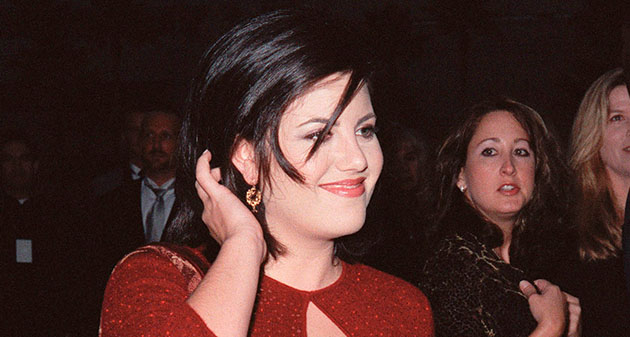
For Lewinsky, the aftermath extended far beyond politics.
She became a frequent target of jokes, commentary, and criticism across television, newspapers, and popular culture.
The relentless attention took a serious emotional toll.
Over the years, Lewinsky has spoken openly about the depression and isolation she experienced while navigating the consequences of the scandal.
During her recent reflections, she acknowledged that she has grown into a person she respects and appreciates.
Even so, she admitted there are aspects of life she wishes had unfolded differently.
“I love and appreciate who I am now, but I think for so many different reasons, I would’ve liked a more normal life,” she admitted.
The statement reflected a desire for opportunities and experiences that many people take for granted.
She added, “I would’ve liked to have had a more normal trajectory.”
For Lewinsky, the scandal altered not only her reputation but also the path her career and personal life might otherwise have taken.
A Deeper Conversation About Power
Lewinsky recently discussed these issues further during an appearance on the podcast Call Her Daddy with host Alex Cooper.
During that conversation, Cooper highlighted the significant age difference and professional hierarchy that existed between Lewinsky and Clinton.
“You were 22 years old, he was 49, you were an intern. He was the President of the United States,” Cooper said.
The framing reflected a broader shift in how many people now evaluate situations involving substantial power imbalances.
Lewinsky responded by discussing how she was portrayed during the scandal.
“I was very quickly painted as a stalker, mentally unstable, not attractive enough.”
She explained that those characterizations followed her long after the political controversy ended.
Rather than fading over time, they became part of a public image she struggled to escape.
The Lasting Consequences
Lewinsky believes the effects of the scandal extended beyond her own life.
In reflecting on the broader cultural impact, she argued that many women witnessed the intense public humiliation directed at her and absorbed powerful messages about judgment, sexuality, and public shame.
“Because of the power dynamics, and the power differential, I never should’ve been in that f***ing position,” she admitted.
The statement underscored her view that the circumstances involved more than personal decisions alone.
She suggested that the conversation should also include consideration of authority, responsibility, and institutional power.
At the same time, she pointed to the widespread reaction that followed as evidence of how quickly society can target individuals caught in highly public controversies.
“There was so much collateral damage for women of my generation to watch a young woman to be pilloried on the world stage, to be torn apart for my sexuality, for my mistakes, for my everything.”
Those words reflect Lewinsky’s belief that the public response created broader consequences beyond the immediate participants involved in the scandal.
Reclaiming Her Own Narrative
Over the years, Lewinsky has increasingly taken control of her own story.
Rather than allowing others to define her solely through a single chapter of her life, she has spoken publicly about resilience, accountability, mental health, and the impact of public humiliation.
Her recent interviews continue that effort.
By revisiting the events from her perspective, she is seeking to add context and complexity to a story that was often reduced to headlines and political talking points.
She is no longer speaking as the young intern whose life became international news.
Instead, she is reflecting as someone who has spent decades living with the consequences of that experience.
The passage of time has allowed her to examine the events through a different lens while addressing questions that continue to resonate today.
A Story That Continues to Spark Discussion
Thirty years after the scandal first captured global attention, discussions surrounding Monica Lewinsky remain relevant.
Her reflections have renewed conversations about public shaming, media treatment, gender expectations, and the responsibilities that accompany positions of power.
For many observers, her story serves as a reminder of how quickly public perception can shape a person’s future.
It also highlights how difficult it can be to rebuild a life after becoming the focus of intense scrutiny.
Lewinsky’s recent comments are not centered on revisiting old political battles.
Instead, they focus on understanding the human consequences of events that affected her life in profound ways.
As she continues sharing her experiences, she is encouraging people to view her as more than a symbol of a political scandal.
Three decades later, Monica Lewinsky remains determined to tell her story on her own terms, offering a perspective shaped by experience, reflection, and the passage of time.

