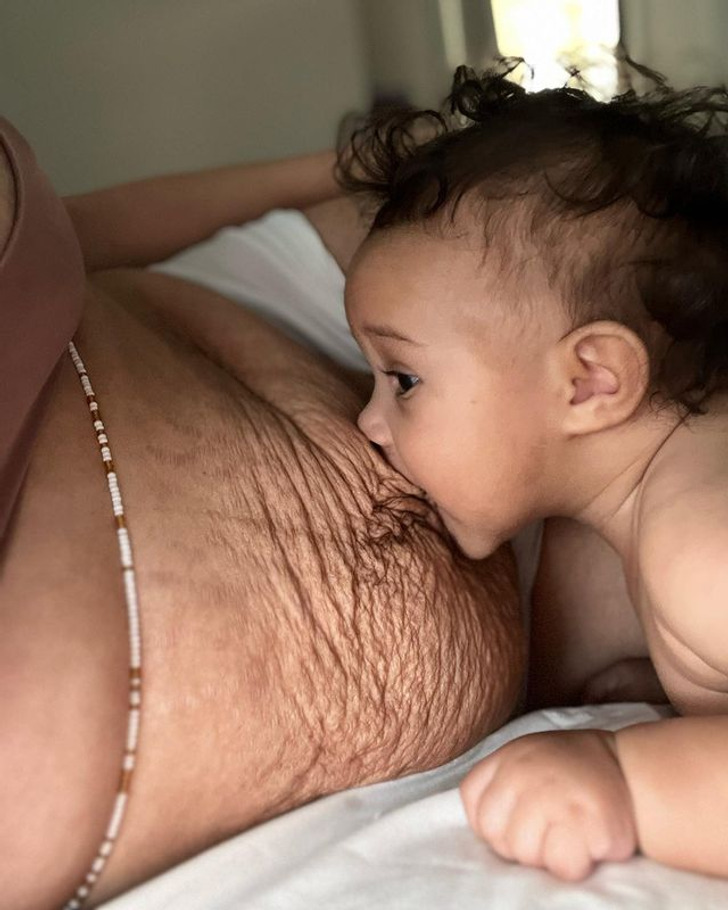
Mother of Four Embraces Postpartum Reality and Inspires Others Through Body Acceptance
Challenging Unrealistic Beauty Standards
In an era where social media often showcases carefully edited images and highly curated lifestyles, many women find themselves facing unrealistic expectations about appearance. These pressures can become especially intense after pregnancy, when physical changes are both significant and deeply personal.
For many mothers, postpartum recovery involves far more than simply adjusting to life with a new baby. It also includes learning to navigate changes in their bodies that may not have been fully anticipated before childbirth.
One mother has chosen to speak openly about that experience, hoping to encourage others who may be struggling with similar feelings. By sharing her journey publicly, she aims to create a more honest conversation about postpartum bodies and self-acceptance.
A Personal Journey Toward Acceptance
Danisha, a mother of four, has been documenting her experience with body acceptance on social media. Her message focuses on embracing the physical changes that accompanied pregnancy and childbirth rather than hiding them.
In the early stages of her journey, she admits that she felt ashamed of her postpartum appearance and frequently attempted to conceal her stomach. Over time, however, her perspective began to change.
Following the birth of her fourth child, she decided she no longer wanted to spend her energy hiding aspects of herself. Instead, she chose to approach her body with greater understanding and appreciation.
Her decision marked the beginning of a more open and positive relationship with her appearance, one rooted in acceptance rather than criticism.

Facing Unexpected Changes After Pregnancy
Like many mothers, Danisha discovered that the reality of postpartum recovery differed from what she expected. She has spoken openly about feeling unprepared for the physical changes she experienced after childbirth.
“I didn’t know I would have as much loose skin as I do now, and stretch marks. No one ever talked about it—my doctors didn’t talk about it,” she explained.
She also shared that she did not fully realize how dramatically her body might change after pregnancy. The experience challenged many of her assumptions about postpartum recovery and appearance.
Despite those surprises, she says she has reached a place of genuine happiness and acceptance regarding her body today.
The Power of the Female Body
Central to Danisha’s message is her belief that women’s bodies are capable of extraordinary things. Rather than focusing solely on physical appearance, she encourages mothers to recognize the remarkable work their bodies perform during pregnancy and childbirth.
She views stretch marks, loose skin, and other postpartum changes not as flaws but as reminders of the life her body helped create. This perspective has become an important part of her personal journey.
For Danisha, appreciating what the body has accomplished offers a healthier and more compassionate way to approach postpartum recovery.
Her message encourages women to see their bodies through the lens of strength and resilience rather than unrealistic standards of perfection.

The Influence of Social Media Images
Danisha believes that images commonly shared online can sometimes create unrealistic expectations for mothers. Photos of celebrities and models confidently displaying their pregnancies often receive widespread attention and admiration.
While these images can be empowering, they may also contribute to the belief that postpartum recovery should follow a particular path or produce a specific appearance.
For mothers whose experiences differ, this comparison can lead to feelings of insecurity or self-doubt. Some may begin wondering whether something is wrong with them when their bodies do not match what they see online.
Danisha hopes that greater visibility of diverse postpartum experiences can help reduce those feelings and encourage more realistic expectations.
Rejecting the Idea That Mothers Need Fixing
One of the most consistent themes in Danisha’s social media posts is the belief that postpartum bodies do not need to be corrected or repaired.
She has encouraged mothers to reject societal messages suggesting that physical changes after pregnancy are problems that must be fixed immediately.
In one of her posts, she reminded fellow mothers that their worth is not determined by appearance, writing: “Don’t let society trick you into believing you need to be ‘fixed.’ Your body is not wrong—society is!”
This message has resonated with many women who feel pressure to meet narrow standards of beauty after giving birth.

The Pressure to “Bounce Back”
Modern culture often celebrates stories of women who quickly return to their pre-pregnancy appearance. For many mothers, however, that expectation can create unnecessary stress and disappointment.
Danisha argues that constantly fighting against natural changes only leads to frustration. Instead, she believes that acceptance can create a healthier relationship with both body and self-image.
Learning to appreciate the body from every angle can take time, but she says that process ultimately leads to deeper self-love and confidence.
Rather than chasing impossible standards, she encourages mothers to focus on treating themselves with kindness and patience.
Finding Pride in Personal Growth
As Danisha became more open about her experiences, she found that honesty strengthened her confidence rather than diminishing it. Sharing her journey publicly helped reinforce the appreciation she feels for her body today.
“Our bodies are meant to grow, evolve, and change—that’s what happens with life,” she said.
She emphasizes that every person’s body responds differently to pregnancy and aging. Comparing one journey to another often overlooks the uniqueness of individual experiences.
For her, the physical reminders left behind after childbirth symbolize growth, resilience, and the creation of life.
Handling Criticism and Negative Comments
Being vulnerable online often attracts criticism, and Danisha has experienced her share of negative comments. Yet she remains committed to sharing her perspective despite those challenges.
“I have a pouch. I have soft, stretchy, loose skin,” she explained. “My beauty isn’t defined by those features—it’s defined by the fact that my body created life for a fourth time. I’m strong as a mother.”
Her response reflects a broader belief that confidence should not depend on meeting external expectations. Instead, she encourages women to define beauty on their own terms.
She also believes that honest representation of postpartum bodies can help other mothers feel less alone during their recovery journeys.

The Role of Genetics
Danisha frequently discusses the influence of genetics on physical appearance. She notes that many people assume postpartum changes can always be prevented through specific products, routines, or lifestyle choices.
According to her experience, that belief oversimplifies the reality of how bodies respond to pregnancy.
She has shared that people sometimes suggest her stomach would look different if she had used certain creams, exercised more, worn a waist trainer, or followed different routines.
However, she believes genetics play a major role in determining how skin and body tissues respond to the demands of pregnancy.
Honoring the Physical Evidence of Motherhood
For Danisha, loose skin and stretch marks are reminders of the pregnancies that brought her children into the world.
She views these physical changes not as imperfections but as meaningful markers of her journey through motherhood. They represent experiences that cannot be separated from the lives she helped create.
Rather than wishing them away, she has learned to see them as part of her personal story.
This perspective has become a central part of the message she shares with other mothers.

A Message for Mothers Everywhere
Danisha consistently emphasizes that every mother deserves respect regardless of appearance. She believes no one should face judgment or discrimination because their body changed after pregnancy.
She encourages women who struggle with postpartum body image to remember that physical changes are normal and often unavoidable.
“To the mama looking at herself in the mirror,” she said, “it’s completely normal not to fit into your pre-pregnancy clothes. Your body outgrew them to make room for your beautiful blessing. Going up a size is nothing to be ashamed of.”
Her words aim to provide reassurance to mothers navigating the emotional and physical adjustments that often accompany postpartum life.

Learning to Love the Body You Have
Acceptance did not happen overnight for Danisha. She acknowledges that learning to appreciate stretch marks and other changes required time, patience, and personal growth.
Like many women, she initially struggled to recognize beauty in features she had not expected. Over time, however, her perspective shifted.
She now views those changes as natural responses to the extraordinary work her body performed during pregnancy.
That understanding helped transform feelings of insecurity into gratitude and pride.
Redefining Beauty Through Self-Acceptance
Danisha believes beauty extends far beyond physical appearance. In her view, true beauty includes confidence, self-respect, and appreciation for what the body accomplishes throughout life.
She emphasizes that every person has value regardless of weight, shape, or appearance. The body performs remarkable functions every day, and that alone deserves recognition and respect.
Her message encourages women to celebrate themselves rather than measuring their worth against unrealistic standards.
“Whether you choose to cover your belly or not, you’re still worthy. You’re still beautiful,” she reminds fellow mothers.

A Growing Movement Toward Authenticity
As more women share honest experiences about postpartum recovery, conversations around body acceptance continue to evolve. Stories like Danisha’s help create space for greater understanding and compassion.
By refusing to hide her reality, she offers reassurance to mothers who may feel isolated by unrealistic expectations or comparisons.
Her journey demonstrates that confidence is not built through perfection but through acceptance, self-compassion, and appreciation for the body’s ability to grow, change, and create life.
Through her openness and honesty, Danisha continues inspiring others to view themselves with kindness and to recognize the strength reflected in every stage of motherhood.
