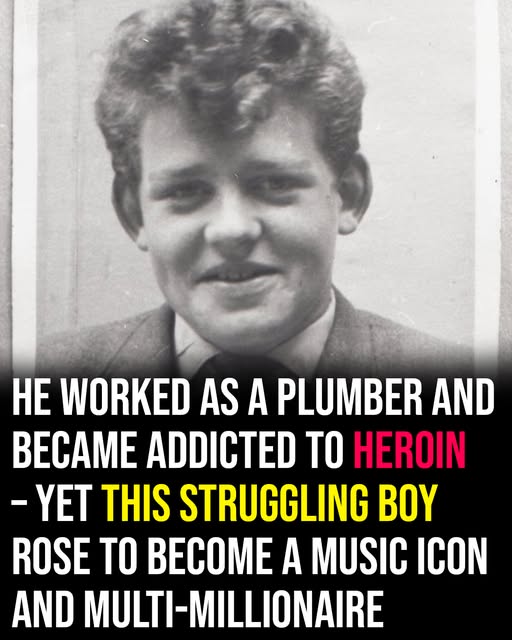
The boy from a smog-drenched city who sang through addiction and into our hearts
From Sheffield Streets to Global Stages: The Life and Legacy of Joe Cocker
Before becoming one of the most recognizable voices in rock music, Joe Cocker grew up in Sheffield, an industrial city defined by steel production and thick, polluted air. Born during World War II, his early life unfolded in a world shaped by hardship, resilience, and the constant presence of smoke-filled skies.
His father served as an aircraftman in the Royal Air Force, while his mother maintained the household and provided stability in a modest family environment. Though he was born John, it was the nickname “Joe Cocker” that would eventually become his identity, even if its origin remains uncertain.
Life in 1950s Sheffield meant growing up amid factories, soot-darkened buildings, and an atmosphere shaped by heavy industry. That environment left a lasting impression on his outlook and fueled an early desire to find a different path.

A Desire to Escape and Find Purpose
From a young age, he showed little interest in staying within the limits of his surroundings. His goal was not fame at first, but escape from an environment he felt confined by.
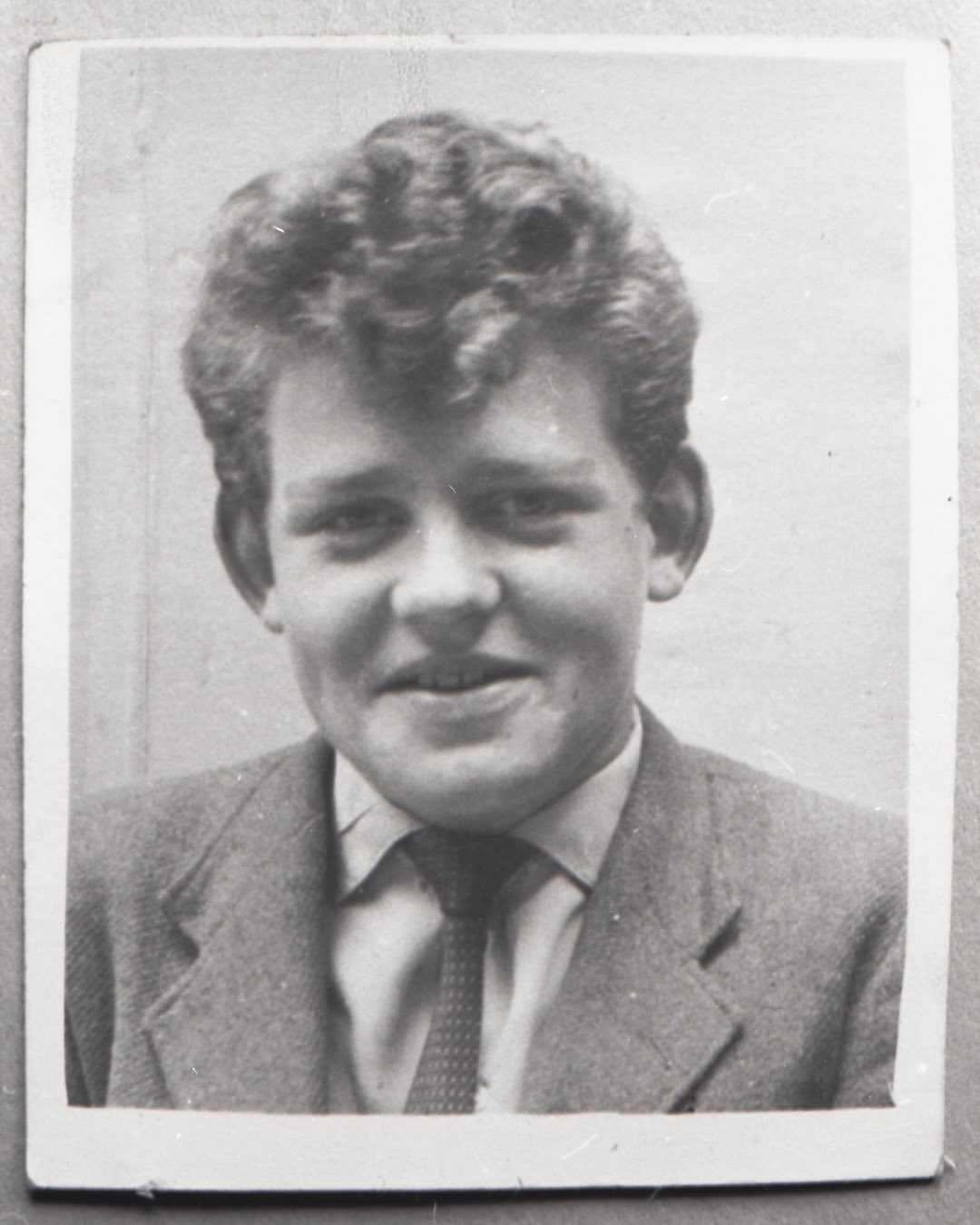
At 16, he left school and became an apprentice gas fitter. While learning a trade during the day, he spent his evenings pursuing music in local venues, developing a passion that gradually took priority over everything else.
His brother later recalled that even as a teenager, his enthusiasm for performing was clear, even if his talent was not immediately recognized. His mother also remembered his reluctance to settle into a lifelong trade, noting his desire for something more meaningful and creative.
Struggles in the Early Music Career
His early steps into music were difficult. He performed in small venues where audiences often paid little attention, and he frequently had to borrow equipment just to get on stage.
He financed early recordings himself and faced repeated rejection from record labels. Despite these setbacks, he continued pursuing music, convinced it was his true calling.
In 1964, he recorded a cover of a Beatles song in London, but the release failed to gain traction. He was paid only $1.50 for the session, a reminder of how uncertain his early career remained.
After leaving his job at the gas board, he worked in packing jobs while continuing to perform whenever possible. His persistence kept him connected to music even when success seemed distant.
Breakthrough and Rise to Fame
His breakthrough came several years later with a powerful reinterpretation of “With a Little Help from My Friends.” The song became a major success in both the United Kingdom and the United States.
It reached No. 1 in the UK, marking a turning point that transformed his career. The success led to international attention and his first major tour in the United States in 1969.
He later recalled receiving a telegram from the original songwriters expressing gratitude for the performance. This moment marked his arrival on the global stage.
Shortly afterward, his live album “Mad Dogs & Englishmen” reached No. 2 on the US charts, further establishing his growing reputation as a dynamic live performer.
Defining Moment at Woodstock
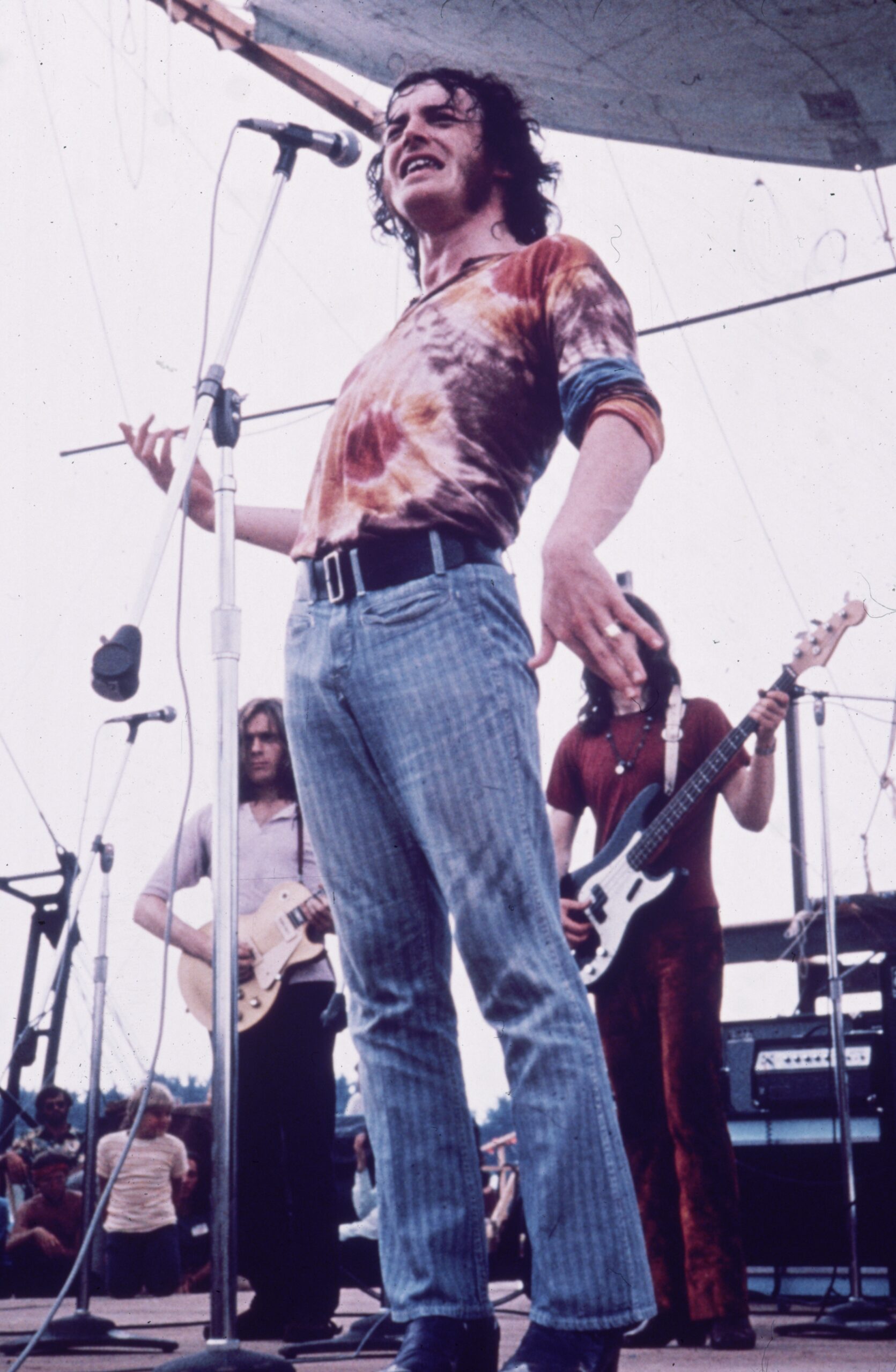
His performance at Woodstock in August 1969 became one of the festival’s most memorable highlights. Appearing in a tie-dyed shirt and jeans, he delivered an emotionally charged rendition of his breakthrough song.
His vocal intensity and physical expression created a performance that stood apart from others on the bill. The raw emotion he brought to the stage became a defining characteristic of his public image.
Reflecting on the moment, he later described the surreal nature of the experience, including how his clothing had been stained by the colors of his shirt after the performance.
Relentless Touring and Personal Struggles
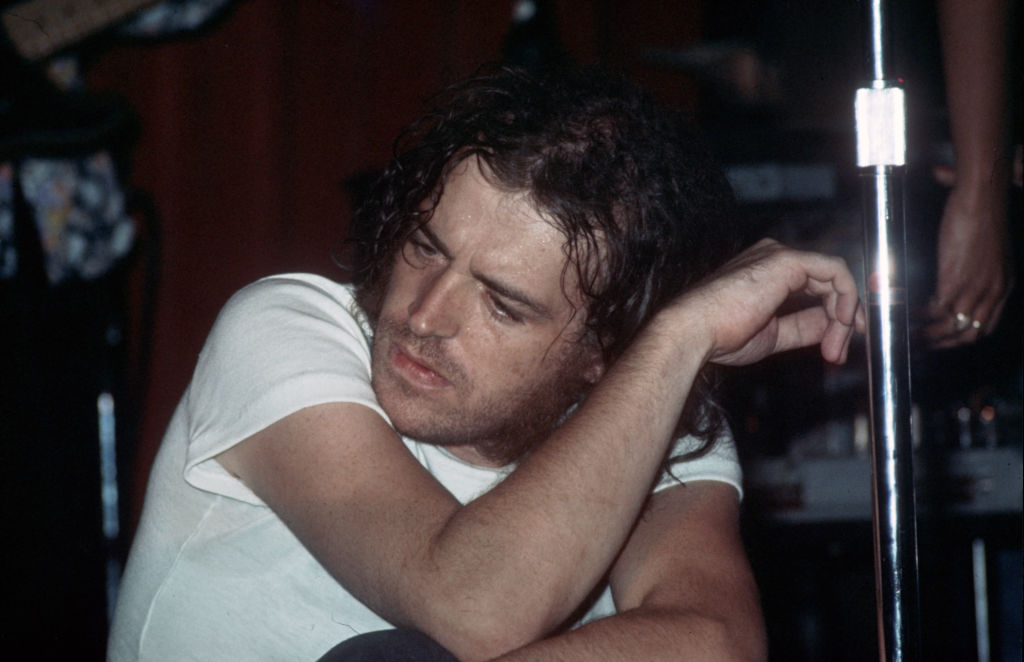
Following his rise to fame, he embarked on an intense touring schedule that brought both success and strain. Constant travel and performance demands began to affect his health and stability.
During this period, substance use became part of his lifestyle on the road, eventually contributing to growing personal difficulties. Alcohol and drugs played a significant role in the instability that followed.
He later spoke openly about his experiences, describing periods of addiction and risky behavior, including reckless driving and dependency issues that developed during touring years.
Career Setbacks and Public Incidents
By the mid-1970s, his career was affected by health struggles and substance-related problems. There were occasions when performances were disrupted or could not be completed.
During a tour in Australia, he faced legal trouble involving cannabis possession and later another incident at a hotel. These events contributed to a turbulent public image during that time.
Despite these challenges, he still achieved major success, including the hit “You Are So Beautiful,” which reached No. 5 in the United States.

Moments of Crisis and Comeback
One of the most difficult periods in his career occurred during a 1974 performance in Los Angeles, where he experienced a breakdown on stage after heavy substance use.
He later reflected on how out of control the situation had become, describing how he was pushed onto stage in a state that left him unable to perform properly.
Over time, he began rebuilding his life and career, gradually regaining stability and restoring his reputation as a performer.
Major Success and Lasting Hits
One of his most celebrated achievements came with “Up Where We Belong,” a duet that became a No. 1 hit in the United States and earned a Grammy Award in 1983.
This success reinforced his ability to reinvent himself and remain relevant across different phases of his career.
He later reflected on his life journey from a teenage gas fitter to an internationally recognized musician, acknowledging both the struggles and achievements that defined his path.
Personal Life and Stability
In 1978, he relocated to a ranch in California, where he met Pam Baker, who later became his wife. Their relationship brought a sense of stability after years of turbulence.
Their marriage in 1987 marked a turning point in his personal life, helping him move toward a more grounded and settled existence.
Together, they later built a quieter life in Colorado, away from the intensity of touring and public attention.
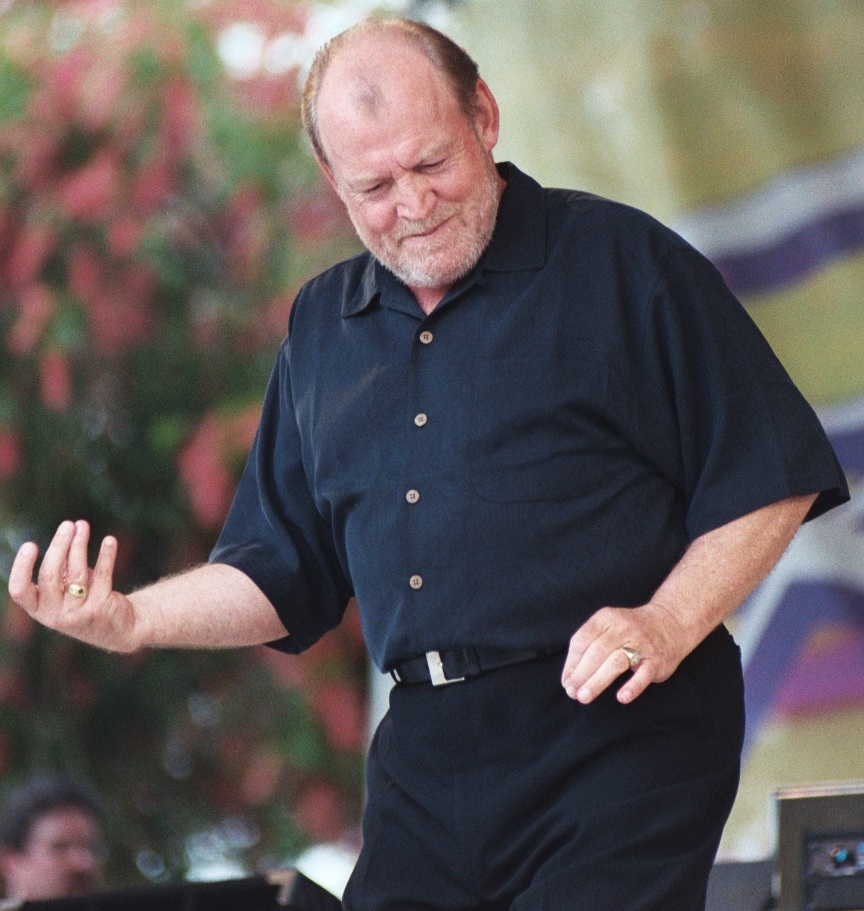
Continued Career and Later Years
Throughout the 1980s and 1990s, he continued releasing albums and performing internationally. His work during this period included several well-known releases that sustained his presence in the industry.
He remained active as a touring artist, maintaining a connection with audiences across generations and regions.
Even in later years, he continued to perform and record, demonstrating a lifelong dedication to music.
Final Years and Passing
Joe Cocker passed away on December 22, 2014, in Colorado at the age of 70 after being diagnosed with lung cancer.
His long history of smoking was noted as a contributing factor to his illness, marking the end of a life deeply tied to both performance and personal struggle.
At the time of his passing, his estimated net worth reflected decades of work across the global music industry.
Legacy of a Distinctive Voice
Joe Cocker is remembered as one of the most distinctive vocalists in rock music history, known for his emotional delivery and unmistakable style.
His influence has continued long after his death, with his performances and recordings remaining widely recognized and celebrated.
In November 2025, he was posthumously inducted into the Rock and Roll Hall of Fame, further cementing his place in music history.
A Life Defined by Passion and Perseverance
His journey reflects a life shaped by determination, setbacks, recovery, and enduring artistic drive. From the industrial streets of Sheffield to global stages, his music carried the weight of lived experience.
Through both triumph and struggle, he built a legacy defined by emotional honesty and powerful performance. His voice continues to resonate as a lasting reminder of a career driven by passion and perseverance.
