The Hidden Purpose of the Tiny Pocket on Your Jeans
A Small Detail Most People Notice but Rarely Understand
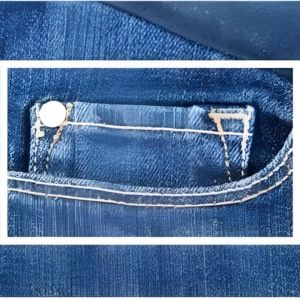
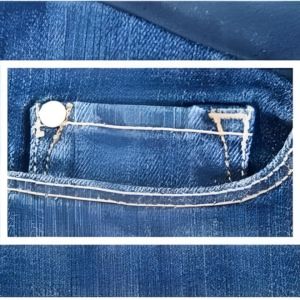
Nearly everyone has worn a pair of jeans featuring a small pocket tucked inside one of the front pockets. Despite being a familiar design element, many people have wondered why it exists.
The pocket is too small to hold most modern essentials. Smartphones, wallets, keys, and many everyday items simply do not fit inside it.
As a result, the feature often appears decorative rather than functional. Yet this tiny pocket was originally created with a very specific purpose in mind.
Its story stretches back almost two centuries and offers a fascinating glimpse into the practical origins of one of the world’s most popular garments.
The Classic Design of Jeans
Traditional jeans are known for their distinctive pocket arrangement. Most pairs include two back pockets and two larger front pockets.
Inside one of those front pockets sits a much smaller pocket that has remained part of the design for generations.
Although fashion trends have evolved dramatically over the years, this small pocket has survived countless changes in style.
Its continued presence highlights how some design features can outlast the original reasons for their creation.
Many people continue to wear jeans with this pocket every day without ever learning why it was included in the first place.
Returning to the 19th Century
To understand the purpose of the tiny pocket, it is necessary to look back to the 1800s.
During that period, jeans were primarily practical workwear rather than fashion items. They were designed for durability and functionality, making them popular among laborers, miners, ranchers, and cowboys.
Life in the American West often involved physically demanding work and long hours outdoors.
Workers needed clothing capable of withstanding harsh conditions while providing practical solutions for carrying essential belongings.
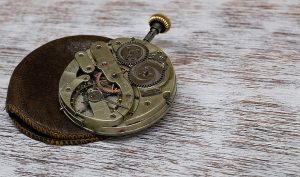
One important possession during that era was the pocket watch.
The Importance of Pocket Watches
Long before wristwatches became common, pocket watches served as the primary way many people kept track of time.
These watches were valuable items and often represented a significant investment.
For cowboys, ranch workers, and others who spent much of their time on horseback, protecting a pocket watch could be challenging.
Keeping the watch loose in a larger pocket increased the risk of damage during daily activities.
Falls, sudden movements, and the rough conditions of outdoor work could easily scratch or break a delicate timepiece.
Carrying a watch in a jacket pocket was not always practical, especially during long days of physical labor.
A more secure solution was needed.
The Birth of the Watch Pocket
To address this problem, jeans manufacturers incorporated a small reinforced pocket inside the larger front pocket.
This compartment was specifically designed to hold pocket watches safely and securely.
The smaller size helped prevent the watch from moving around excessively while the wearer worked or rode horseback.
Because the pocket sat inside a larger pocket, it provided an additional layer of protection against impacts and accidental loss.
The design proved highly effective for the needs of the time.
What might seem insignificant today was once an important innovation that helped people safeguard one of their most valued possessions.
A Feature Built for Practicality
The tiny pocket was never intended as a decorative flourish. Its creation was driven entirely by practicality.
In an era when accurate timekeeping was increasingly important, protecting a pocket watch mattered to many workers.
The pocket’s compact dimensions were carefully suited to the size of the watches commonly carried during the nineteenth century.
This thoughtful design demonstrated how clothing manufacturers adapted garments to meet the everyday needs of their customers.
The success of the feature helped establish it as a standard component of jean construction.
Even as society changed and technology evolved, the pocket remained.
How Its Purpose Changed Over Time
As wristwatches gradually replaced pocket watches, the original function of the small pocket became less relevant.
By the twentieth century, most people no longer relied on pocket watches as their primary timekeeping devices.
However, the tiny pocket did not disappear.
Instead, people began finding new uses for it. Coins, small keys, tickets, and other compact items often found a home in the miniature compartment.
Some individuals used it to carry folded notes or small personal belongings they wanted to keep separate from larger items.
Although its purpose evolved, the pocket continued to offer convenience in everyday life.
A Lasting Symbol of Denim Heritage
Today, many jean manufacturers continue to include the small pocket even though most wearers rarely use it for its original purpose.
Its survival reflects more than practicality—it also represents tradition.
The pocket serves as a reminder of the historical roots of denim and the working-class origins of jeans.
Fashion often preserves details that connect modern products to their heritage.
In the case of jeans, the tiny pocket has become one of the most recognizable examples of a design feature that has endured through generations.
Even people who never use it may appreciate the sense of authenticity it brings to the garment.
Why the Pocket Remains Today
There are several reasons manufacturers continue including the small pocket in modern jeans.
One reason is tradition. Consumers have become accustomed to the classic five-pocket design, and removing the small pocket would alter a familiar look.
Another reason is identity. The feature has become part of what people expect when they think of traditional denim.
In some cases, wearers still find practical uses for it, whether for small accessories, coins, or other compact items.
Because the pocket adds little complexity to production while contributing to the garment’s iconic appearance, it remains a popular design element.
Its continued presence demonstrates how useful innovations can evolve into enduring symbols.
A Small Detail With a Big Story
At first glance, the tiny pocket inside a pair of jeans may seem insignificant.
Its size often leads people to overlook it or assume it serves no real purpose.
Yet behind that small piece of fabric lies a story connected to history, innovation, and everyday practicality.
What began as a protective compartment for pocket watches eventually became a lasting feature of one of the world’s most popular clothing items.
The pocket reflects a time when clothing was designed to solve specific challenges faced by workers and travelers.
Its survival into the modern era highlights the enduring appeal of thoughtful design.
An Enduring Piece of Fashion History
Fashion trends regularly change, but some details remain remarkably consistent.
The tiny pocket found on jeans is one such example.
Created nearly two centuries ago to protect valuable pocket watches, it continues to appear on countless pairs of jeans around the world.
While most people no longer carry pocket watches, the feature remains a recognizable link to the garment’s origins.
It serves as a reminder that even the smallest elements of everyday objects often have fascinating stories behind them.
The next time you notice that little pocket inside your jeans, you can appreciate it not as a random design choice but as a surviving piece of fashion history.
What appears to be a simple detail is actually a symbol of practicality, craftsmanship, and the enduring legacy of denim design.
