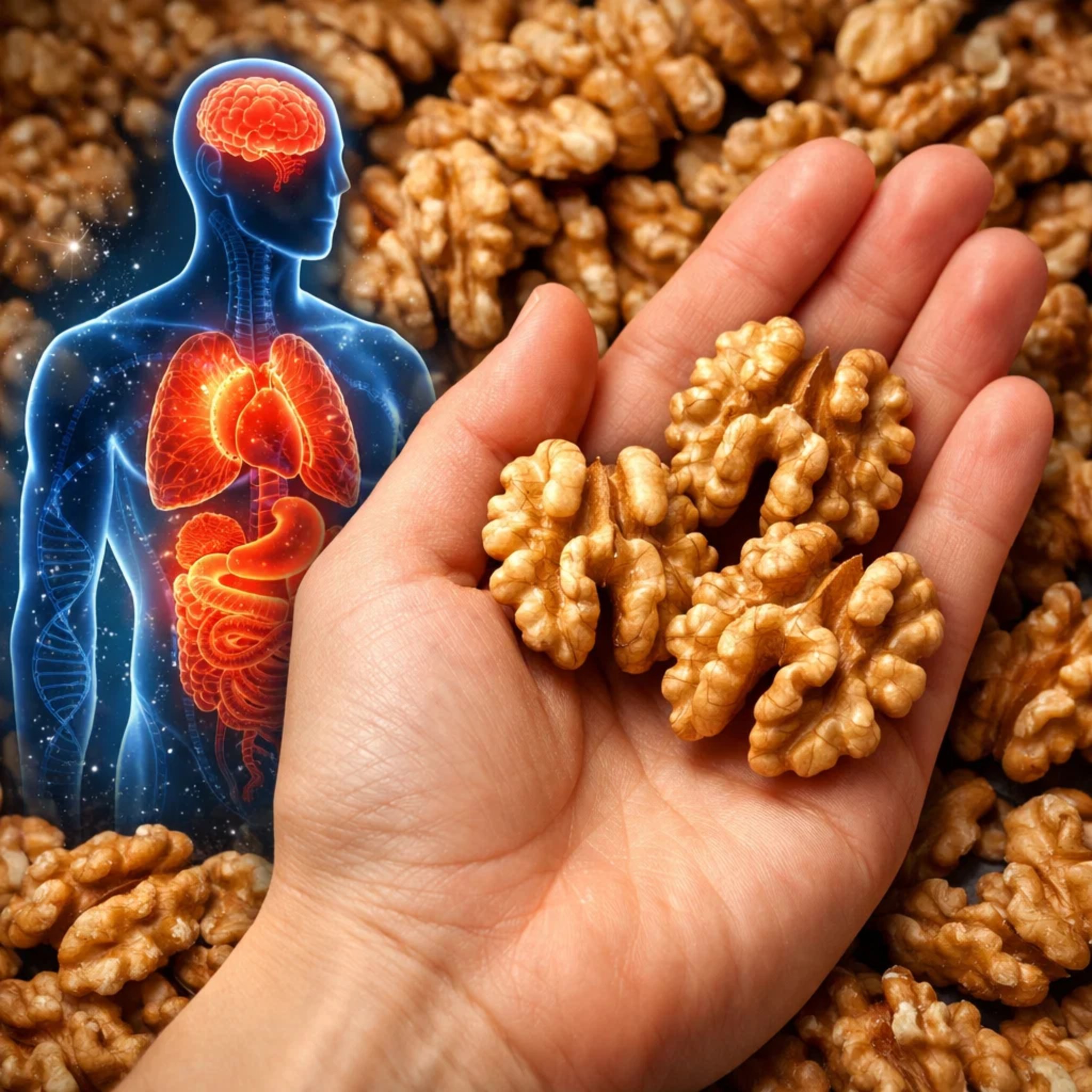
What Happens When You Eat Walnuts Every Day? Exploring the Potential Benefits and Considerations
A Nutrient-Dense Food With a Strong Reputation
Walnuts have long been recognized as one of the most nutrient-rich foods available. Their distinctive shape often draws comparisons to the human brain, but their reputation extends far beyond appearance.
Packed with beneficial fats, fiber, vitamins, antioxidants, and plant compounds, walnuts have become a popular addition to many healthy eating plans. Nutrition professionals frequently recommend them as a simple way to add valuable nutrients to daily meals.
Regular consumption of walnuts has been associated with support for several areas of health, including cardiovascular function, cognitive performance, digestive wellness, and metabolic balance.
At the same time, experts emphasize that portion size matters. While walnuts offer many nutritional advantages, excessive consumption can create unwanted effects.
Understanding both the benefits and the limitations can help people make informed decisions about incorporating walnuts into their everyday routines.
Supporting Heart Health
One of the most widely discussed benefits of walnuts is their potential contribution to cardiovascular wellness.
Walnuts contain omega-3 fatty acids, particularly alpha-linolenic acid, commonly known as ALA. This type of fat is associated with helping the body manage inflammation and support normal cardiovascular function.
Including walnuts as part of a balanced diet may contribute to healthier cholesterol profiles. Regular consumption has been linked to lower levels of LDL cholesterol, often referred to as “bad” cholesterol.
Healthy blood vessel function is another area where walnuts may offer support. Maintaining flexible and properly functioning blood vessels is an important component of overall cardiovascular health.
People who regularly include walnuts in their diets often demonstrate favorable heart-health indicators when compared with those who do not consume them.
Because heart disease remains a major health concern worldwide, foods that support cardiovascular wellness continue to attract significant attention from health professionals and consumers alike.
Potential Benefits for Brain Function
Walnuts are frequently described as a food that supports brain health. This reputation comes from their unique combination of healthy fats, antioxidants, vitamin E, and plant compounds.
The brain relies on a steady supply of nutrients to maintain normal function. Foods rich in beneficial fats and antioxidants may help support neurological processes and overall cognitive performance.
Regular walnut consumption may contribute to improved concentration and memory as part of a healthy lifestyle.
The antioxidants found in walnuts help protect cells from oxidative stress, which can affect tissues throughout the body, including the brain.
Maintaining brain health becomes increasingly important with age. Nutrient-rich foods that support cognitive function are often included in dietary patterns focused on long-term wellness.
Although no single food can guarantee cognitive protection, walnuts are frequently considered a valuable component of a balanced diet aimed at supporting brain health over time.
Helping Maintain a Healthy Gut
Recent interest in gut health has highlighted the importance of maintaining a diverse and balanced microbiome.
The digestive tract contains a vast community of microorganisms that influence digestion, immune function, and other aspects of health.
Walnuts may support this ecosystem by acting as a prebiotic food. Prebiotics provide nourishment for beneficial gut bacteria, helping them thrive.
Regular consumption of walnuts may contribute to greater microbial diversity within the digestive system.
A healthy microbiome is often associated with improved digestion and overall gastrointestinal comfort.
In addition to supporting digestion, a balanced gut environment may influence other areas of wellness, including immune function and general well-being.
Because the digestive system plays such a central role in health, foods that support gut bacteria have become an increasingly important focus in nutrition.
Promoting Fullness and Appetite Control
Although walnuts are relatively high in calories, they are often included in eating plans designed to support healthy weight management.
This may seem surprising at first, but walnuts contain a combination of protein, fiber, and healthy fats that can contribute to feelings of fullness.
Foods that promote satiety may help reduce the likelihood of excessive snacking between meals.
When people feel satisfied after eating, they may find it easier to maintain balanced eating habits throughout the day.
Many individuals report feeling fuller for longer periods after including walnuts in meals or snacks.
This effect can be particularly helpful when attempting to avoid highly processed foods that may be less satisfying.
By supporting appetite control, walnuts may contribute to a more balanced approach to daily nutrition.
Supporting Blood Sugar Management
Walnuts are often considered a favorable snack option for individuals seeking better blood sugar balance.
Because they have a low glycemic impact, walnuts do not typically cause rapid spikes in blood sugar levels.
Their combination of healthy fats, fiber, and protein contributes to a slower digestive process compared with many sugary or highly refined snack foods.
Regular consumption may support insulin sensitivity and help promote more stable glucose management.
Maintaining stable blood sugar levels is an important component of metabolic health.
For individuals seeking alternatives to processed snacks, walnuts provide a nutrient-rich option that supports balanced eating habits.
Their versatility also makes them easy to incorporate into meals, snacks, and recipes throughout the day.
Helping Manage Inflammation
Inflammation is a natural process within the body, but chronic inflammation has been associated with a variety of health concerns.
Walnuts contain compounds that may help support the body’s ability to manage inflammatory responses.
Omega-3 fatty acids and polyphenols are among the components believed to contribute to these effects.
By providing anti-inflammatory nutrients, walnuts may support overall health and wellness.
Lower levels of inflammation can contribute to healthier joints, muscles, and bodily systems.
These benefits are one reason walnuts are frequently included in dietary patterns that emphasize whole, minimally processed foods.
Combined with other healthy lifestyle habits, anti-inflammatory foods can play a role in supporting long-term well-being.
The Importance of Moderation
Despite their many nutritional advantages, walnuts should be consumed in appropriate amounts.
Because they are calorie-dense, excessive intake can increase total daily calorie consumption more quickly than many people realize.
Overeating walnuts may contribute to unwanted weight gain if they are added to the diet without considering overall energy intake.
Some individuals may also experience digestive discomfort when consuming large quantities.
Symptoms such as bloating or diarrhea can occur when high amounts are eaten in a short period.
Another important consideration is food allergies. Individuals with nut allergies should avoid walnuts and follow guidance appropriate to their specific condition.
Moderation allows people to enjoy the nutritional benefits of walnuts while minimizing potential drawbacks.
Recommended Daily Amount
A commonly suggested serving size for adults is approximately one small handful of walnuts per day.
This generally corresponds to about 28 to 30 grams, or roughly seven to ten walnut halves.
This amount provides a substantial supply of beneficial nutrients without significantly increasing calorie intake.
Incorporating walnuts into daily meals does not require large portions to be effective.
Even modest amounts can contribute valuable fats, fiber, vitamins, minerals, and antioxidants.
Consistency is often more important than quantity when it comes to long-term dietary habits.
Simple Ways to Include Walnuts in Your Diet
Walnuts are versatile and can be enjoyed in numerous ways throughout the day.
Many people prefer eating them raw, allowing them to enjoy their natural flavor and texture.
Others lightly toast walnuts to enhance their taste while maintaining their nutritional value.
Walnuts can be sprinkled over yogurt to add crunch and nutrition to breakfast or snacks.
They also pair well with oatmeal, providing healthy fats and additional texture.
Salads benefit from the addition of walnuts, which contribute both flavor and nutritional variety.
Replacing highly processed snack foods with a small serving of walnuts is another practical way to incorporate them into daily eating habits.
Choosing plain walnuts instead of heavily salted or sugar-coated varieties helps preserve their natural nutritional advantages.
A Small Daily Habit With Potential Long-Term Benefits
Walnuts offer an impressive combination of nutrients that support multiple aspects of health.
Regular consumption may contribute to cardiovascular wellness, cognitive function, digestive health, blood sugar balance, and inflammation management.
Their blend of healthy fats, fiber, antioxidants, and plant compounds makes them one of the most nutrient-dense foods available.
At the same time, portion control remains important. Consuming moderate amounts allows individuals to gain the benefits without encountering unnecessary drawbacks.
Walnuts are not a cure-all, nor can any single food replace a balanced diet and healthy lifestyle.
However, their strong nutritional profile makes them a valuable addition to many eating patterns.
For those seeking a simple way to improve the quality of their daily nutrition, a small handful of walnuts can be an easy and practical choice.
When enjoyed consistently and in moderation, this humble nut can contribute meaningfully to long-term health and overall well-being.
