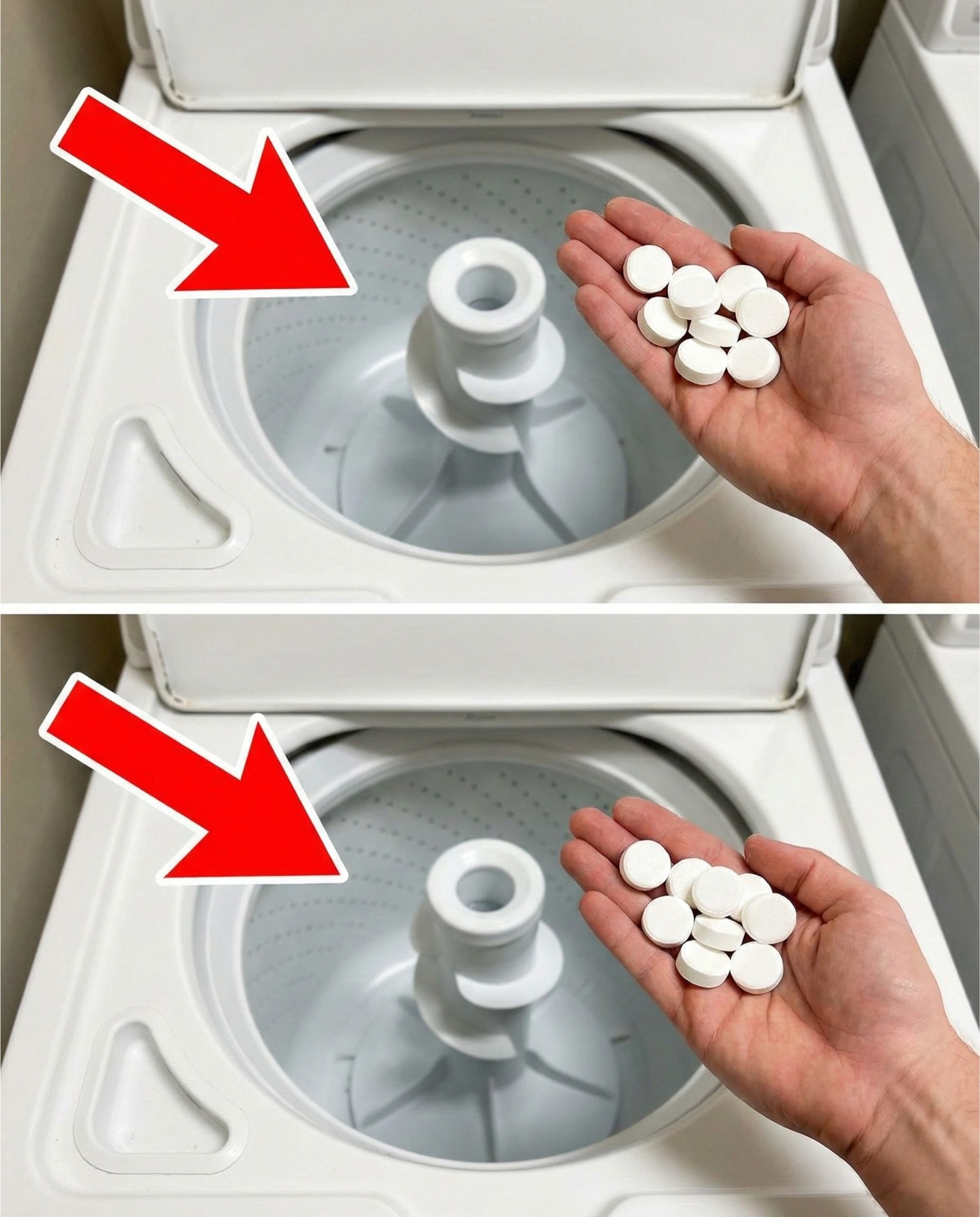
The Old Laundry Trick of Using Aspirin to Brighten Clothes: Does It Really Make a Difference?
A Household Hint That Has Survived for Decades
Among the many laundry tips passed from one generation to the next, few are as surprising as the suggestion to add aspirin to clothing care routines. Long before modern specialty detergents became common, resourceful homemakers often relied on simple household products to keep garments looking their best.
One of the most enduring pieces of advice involves dissolving aspirin and using it to help refresh fabrics. The method has remained popular among people who appreciate traditional cleaning practices and gentle approaches to fabric care.
Supporters of the technique believe that aspirin can help brighten white garments, reduce certain types of discoloration, and restore a fresher appearance to fabrics that have become dull over time.
Although the idea may sound unusual at first, it continues to attract attention because of its simplicity and its reputation as an inexpensive household remedy.
The question many people ask is whether there is any truth behind the claim or whether it is simply another old-fashioned cleaning myth.
Why People Add Aspirin to Laundry
The popularity of the aspirin method comes from several commonly repeated claims. Individuals who use the technique often report improvements in the appearance of lightly stained or yellowed fabrics.
One of the most frequently mentioned benefits is the ability to brighten white clothing. Areas such as collars, cuffs, and other high-contact sections of garments can gradually develop a yellowish appearance over time.
Advocates of the method believe aspirin may help reduce this discoloration and restore a cleaner-looking appearance.
Another commonly cited advantage involves sweat-related stains. Clothing exposed to perspiration, deodorant residue, and natural body oils can sometimes develop marks that are difficult to remove through ordinary washing alone.
People who favor the aspirin approach suggest that soaking garments in a solution containing dissolved aspirin may help loosen some of this buildup.
Others use the method in an effort to revive fabrics that no longer appear as bright or fresh as they once did. Over time, repeated washing and regular wear can leave clothing looking tired even when it is clean.
For these users, aspirin is viewed as a way to refresh garments without relying on stronger chemical products.
The technique is also sometimes promoted as a gentler option than traditional chlorine bleach. Individuals concerned about the effects of harsh whitening products on delicate fabrics may be drawn to milder alternatives.
The Ingredient Behind the Claim
The reasoning behind the laundry trick centers on the ingredients found in aspirin. Aspirin contains acetylsalicylic acid, a compound that has long been used for medicinal purposes.
When discussed in the context of laundry care, attention is often focused on the salicylic acid component. This substance is associated with mild cleaning properties and is believed by some users to contribute to the brightening effect reported in fabrics.
The theory is that the acidic nature of the dissolved tablets may help break down certain residues that accumulate on clothing over time.
These residues can include traces of sweat, body oils, and other substances that may contribute to dullness or discoloration.
As a result, garments may appear somewhat cleaner or brighter after treatment, particularly when the discoloration is relatively mild.
While this explanation helps account for the popularity of the technique, it does not necessarily mean aspirin performs equally well in every laundry situation.
What Is Known About Its Effectiveness
The effectiveness of aspirin in laundry is often described as limited and highly dependent on the circumstances.
One important factor is water temperature. Aspirin tablets must dissolve fully to create an even solution, and warm or hot water is generally required to achieve this result.
If the tablets do not dissolve properly, the treatment is unlikely to work as intended.
Another consideration is the quantity required. Traditional instructions commonly call for four to six tablets for a single treatment.
Because multiple tablets are needed at a time, some people find the method less economical than other laundry additives that are specifically designed for fabric care.
Products such as baking soda, vinegar, and oxygen-based bleach are frequently mentioned as alternatives that may provide similar or stronger results at a lower overall cost.
Aspirin also has clear limitations when dealing with difficult stains. It is not considered a disinfectant and is not intended to sanitize clothing.
In addition, heavily set stains typically require stronger stain-removal methods. Marks caused by grease, wine, or blood are generally not considered ideal candidates for aspirin treatment.
For these more challenging situations, specialized stain removers or other laundry products are often viewed as more effective options.
Why Some People Still Use It
Despite its limitations, the aspirin method continues to maintain a loyal following.
Part of its appeal lies in its reputation as a traditional household remedy. Many people enjoy using techniques that have been handed down through generations and have become part of family cleaning routines.
Others appreciate the gentle nature of the process. Rather than exposing delicate fabrics to stronger whitening agents, they prefer methods that may be less aggressive.
Sentimental items are often mentioned when discussing aspirin soaking treatments. Clothing that carries personal significance may encourage owners to seek softer approaches to cleaning and brightening.
Examples include vintage garments, heirloom textiles, and special-occasion clothing that has developed yellowing during storage.
Because these items may be older or more delicate, users often favor methods that appear less harsh than conventional bleaching products.
The continued popularity of the technique illustrates how traditional cleaning practices can remain relevant even in an era filled with specialized laundry solutions.
Items Commonly Treated With Aspirin
People who use aspirin in their laundry routines often reserve it for specific types of garments and fabrics.
White clothing is among the most common candidates. Shirts, blouses, undergarments, and other light-colored items may gradually lose brightness after repeated wear and washing.
Vintage linens are another frequently mentioned example. Older fabrics can develop yellowing as they age, even when stored carefully.
Some users turn to aspirin treatments in an effort to improve the appearance of these treasured household textiles.
Workout clothing is also sometimes included. Garments exposed to heavy perspiration may develop lingering discoloration or odor-related residue that prompts owners to experiment with alternative cleaning methods.
Special garments such as christening gowns and vintage blouses are often highlighted because of their sentimental value.
For owners of these items, preserving fabric integrity can be just as important as achieving a brighter appearance.
The Traditional Soaking Method
Those interested in trying the technique typically follow a straightforward process that has remained largely unchanged over the years.
The first step involves crushing four to six uncoated aspirin tablets into a fine powder. Breaking the tablets down completely helps them dissolve more easily in water.
The powdered aspirin is then mixed into two to four cups of warm water. Warm water plays an important role because it helps ensure the tablets dissolve thoroughly.
Once the solution is prepared, the garment is submerged in the mixture.
The soaking period is generally lengthy. Traditional instructions often recommend leaving the item in the solution for four to eight hours.
Some people extend the soaking period overnight, particularly when dealing with noticeable discoloration.
After soaking is complete, the garment is washed using the normal laundry process.
This simple routine is one reason the method has remained popular. It requires little equipment and relies on ingredients that many households may already have available.
Understanding the Results
Expectations play an important role when evaluating the aspirin technique.
People seeking dramatic transformations may find the results more modest than anticipated. Aspirin is not generally regarded as a powerful whitening agent capable of restoring severely stained fabrics to a like-new appearance.
Instead, the method is often associated with subtle improvements. Clothing that appears slightly dull or mildly yellowed may show a fresher look after treatment.
The outcome can vary depending on the type of fabric, the nature of the discoloration, and the overall condition of the garment.
Because the process is relatively gentle, many users view even modest improvements as worthwhile, especially when caring for delicate or sentimental items.
The technique is best understood as a traditional maintenance method rather than a guaranteed solution for every laundry challenge.
A Look at a Time-Tested Laundry Tradition
The use of aspirin in laundry reflects a broader tradition of household problem-solving that developed long before modern cleaning products filled store shelves.
Families often relied on practical experimentation and shared advice to manage everyday tasks. Over time, certain methods earned reputations for producing useful results and became part of household routines.
The aspirin laundry trick is one example of this tradition. Its continued popularity demonstrates how older cleaning practices can remain part of modern conversations about fabric care.
Whether used out of curiosity, nostalgia, or a preference for gentler methods, many people continue to revisit this longstanding technique.
While aspirin is not a miracle cleaner and does not replace products specifically designed for stain removal or whitening, it remains an interesting option that has survived decades of changing laundry habits.
The method’s endurance is a reminder that simple household ideas often leave a lasting impression when they appear to offer practical benefits.
For those who appreciate traditional approaches to caring for clothing, aspirin remains one of the most talked-about examples of old-fashioned laundry wisdom.
Its reputation for helping brighten fabrics, loosen certain residues, and refresh garments has allowed the practice to endure across generations.
Although results may vary and expectations should remain realistic, the technique continues to attract interest from people looking to explore time-tested methods for maintaining their clothing.
In the world of household tips and cleaning traditions, the aspirin laundry soak remains one of the most recognizable and enduring examples of practical advice passed from one generation to the next.
