World’s Strongest Woman Title Reassigned After Eligibility Dispute Sparks Controversy
Competition Result Becomes Center of Debate
A major controversy has emerged in the strength sports community after the winner of a World’s Strongest Woman competition was disqualified following questions regarding eligibility requirements.
The dispute has drawn significant attention from athletes, fans, and organizers, while reigniting broader discussions about participation policies in women’s sports.
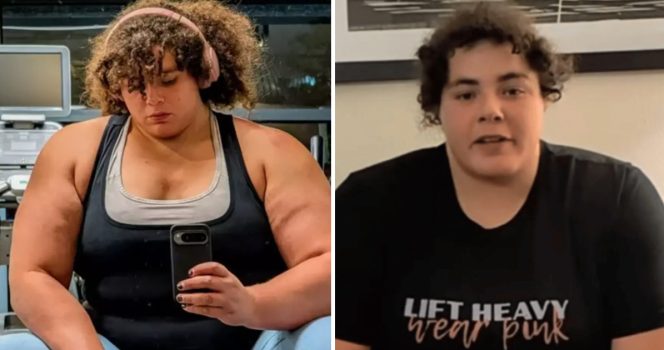
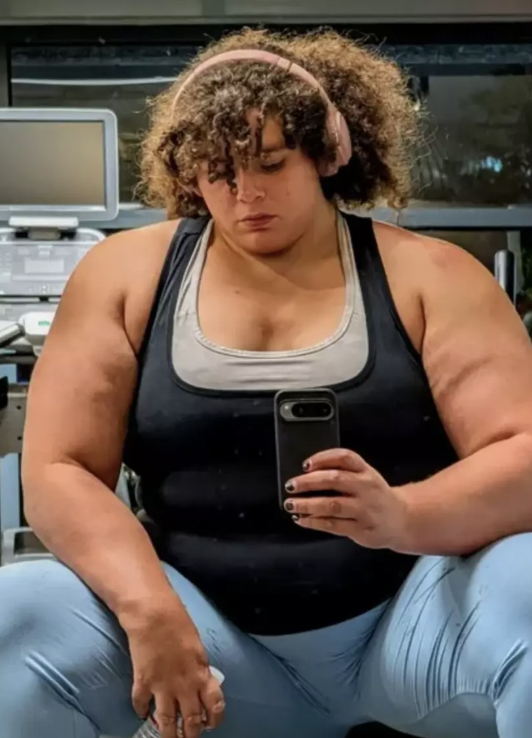
The controversy centers on Jammie Booker, who originally won the Women’s Open division at a major strength competition held in Arlington, Texas.
Following a review by organizers, the result was overturned and the championship title was reassigned.
A Closely Contested Championship
The event featured competitors from multiple countries competing in the Women’s Open category, a division that does not impose weight restrictions on participants.
Among the leading contenders was Andrea Thompson of the United Kingdom, a former champion who won the title in 2018.
The competition remained highly competitive throughout its various events, with athletes separated by narrow margins.
When the final scores were calculated, Booker finished in first place while Thompson placed second.
The difference between the two athletes was reportedly just a single point.
Immediate Reaction Following the Results
The final outcome generated an emotional response from some competitors.
After the results were announced on November 23, Thompson expressed frustration with the decision and reportedly left the stage shortly afterward.
Meanwhile, Booker celebrated what appeared at the time to be a championship victory.
The result initially stood as the official outcome of the event.
However, events that followed would dramatically change the final standings.
Questions Surface After Online Material Reappears
In the days following the competition, discussion intensified after an older online video resurfaced.
The video, reportedly uploaded in 2017, included statements from Booker discussing her personal background.
In the recording, she described herself as a transgender woman and spoke about challenges she had faced earlier in life.
The video quickly became the focus of widespread discussion within the strength sports community.
As awareness of the video spread, calls emerged for organizers to review the competition results.
Broader Debate Over Participation Policies
The situation quickly expanded beyond the competition itself.
Supporters and critics voiced differing opinions regarding eligibility standards for women’s sporting categories.
Discussions surrounding transgender participation in sports have become increasingly prominent across multiple athletic disciplines in recent years.
The controversy surrounding the strength competition became another example of a debate that continues to divide public opinion.
Many participants emphasized concerns about competitive fairness, while others focused on inclusion and access to competition.
Review of Competition Eligibility
Attention soon turned toward the policies used by event organizers when determining athlete eligibility.
Questions were raised regarding whether organizers had been aware of Booker’s background before the competition took place.
According to information later released by officials, organizers stated they were unaware of the circumstances before the event.
The matter prompted an internal review of athlete records and registration procedures.
That review ultimately led to significant consequences.
Competition History Examined
Records reviewed during the controversy indicated that Booker had not participated in a women’s event prior to June 2025.
Her appearance at the Rainier Classic-Pro-Am was cited as her first known competition in a women’s category.
The information became part of the broader examination conducted following the championship event.
As discussions continued, pressure increased on organizers to clarify their policies and determine whether the original result would remain in place.
The outcome would soon alter the competition standings.
Official Statement Released
Official Strongman addressed the controversy through a public statement released on social media.
The organization stated that information brought forward after the event suggested an athlete who was biologically male at birth and now identifies as female had competed in the Women’s Open category.
Officials indicated that the matter had not been known to organizers before the competition began.
The statement explained that eligibility decisions within the organization are based on an athlete’s recorded sex at birth.
As a result, organizers moved forward with disciplinary action.
Disqualification Announced
Following its review, Official Strongman announced that Booker had been disqualified from the 2025 World Championships competition.
The organization stated that the athlete would not have been permitted to compete in the Women’s Open category had the relevant information been known beforehand.
Officials further explained that the results would be adjusted to reflect the revised standings.
Points and placements earned during the event were reassigned accordingly.
The decision effectively removed Booker from the championship rankings.
Organizers Emphasize Fairness Standards
In its public comments, Official Strongman stated that all athletes are welcome within the sport but emphasized the responsibility of maintaining competitive fairness.
The organization explained that athletes are assigned to categories based on the sex recorded at birth under its existing policies.
Officials described the reassignment of placements as necessary to ensure accurate final results.
The statement also noted that athletes affected by the change would receive their updated rankings.
The ruling marked a significant reversal from the original outcome announced at the event.
Andrea Thompson Elevated to Champion
As a consequence of the disqualification, Andrea Thompson was officially recognized as the winner of the competition.
The revised standings elevated her from second place to first place in the Women’s Open division.
The change restored the title to the British competitor, who had originally finished only one point behind the initial winner.
The adjustment also affected the placements of other athletes throughout the final rankings.
For many competitors, the decision altered the official record of the championship.
Thompson Responds to the Outcome
After learning of the revised results, Thompson issued a public statement expressing her feelings about the controversy.
While acknowledging the recognition of her championship victory, she also described disappointment over the circumstances surrounding the event.
She noted that what should have been a celebratory moment had instead become overshadowed by controversy.
Her comments reflected frustration not only about the competition itself but also about the impact on fellow athletes.
The situation, she argued, affected multiple competitors beyond those directly involved.
Concerns for Other Competitors
Thompson emphasized that many athletes had invested substantial time and effort preparing for the championship.
She expressed concern that some competitors lost opportunities to fully enjoy achievements earned during the event.
Podium finishes and final-day appearances, she suggested, carried special significance for participants.
The controversy, in her view, distracted from those accomplishments.
Her statement highlighted the broader effect the dispute had on the competition as a whole.
A Sport Built on Dedication
Strength sports demand years of training, discipline, and physical preparation.
Athletes often dedicate countless hours to developing the power, endurance, and technical skill required to compete at the highest level.
Championship events represent the culmination of long-term effort and sacrifice.
For that reason, eligibility questions can carry major implications for competitors and organizers alike.
The controversy has underscored how important clear rules and consistent enforcement are within elite competition.
The Ongoing Discussion in Sports
The dispute has become part of a larger conversation taking place across numerous sports worldwide.
Governing bodies in different disciplines continue to examine policies regarding transgender participation and competitive categories.
Many organizations have adopted varying standards, reflecting the complexity of balancing inclusion and competitive fairness.
As a result, policies often differ from one sport to another.
The debate remains one of the most challenging and closely watched issues in modern athletics.
Impact on the Strength Sports Community
The events surrounding the championship have generated significant discussion among athletes, coaches, and supporters of strength competitions.
Many participants have called for greater transparency in eligibility verification processes.
Others have emphasized the importance of establishing clear guidelines before competitions begin.
The controversy has also highlighted the challenges organizers face when addressing sensitive and complex issues.
For the strength sports community, the discussion is likely to continue well beyond this single event.
A Championship Remembered for More Than Competition
What began as a closely contested contest ultimately became one of the most talked-about stories in strength sports.
The competition featured outstanding athletic performances, but those achievements were ultimately overshadowed by the eligibility dispute that followed.
The reassignment of the title transformed the final outcome and generated widespread attention throughout the sporting world.
For organizers, athletes, and fans, the controversy has become a defining chapter in the history of the event.
As discussions continue, the case remains a prominent example of the complex questions sports organizations face when determining eligibility and maintaining competitive standards.
