World’s Oldest Woman Left Scientists a Final Mission That Could Help Unlock the Secrets of Healthy Aging
An Extraordinary Life Spanning More Than a Century
For generations, people have wondered whether it is possible to live longer while maintaining good health. Advances in medical science continue to push that question forward, and the life of Maria Branyas Morera has offered researchers a rare opportunity to explore possible answers.
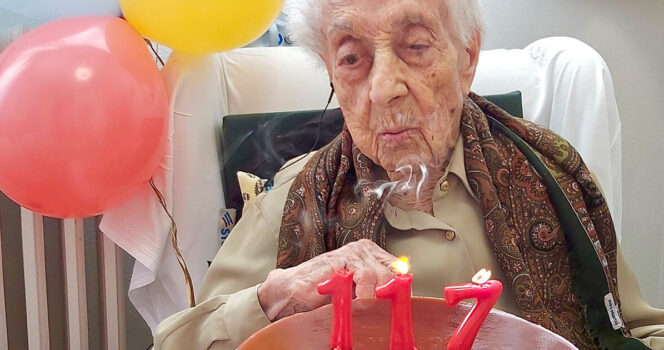
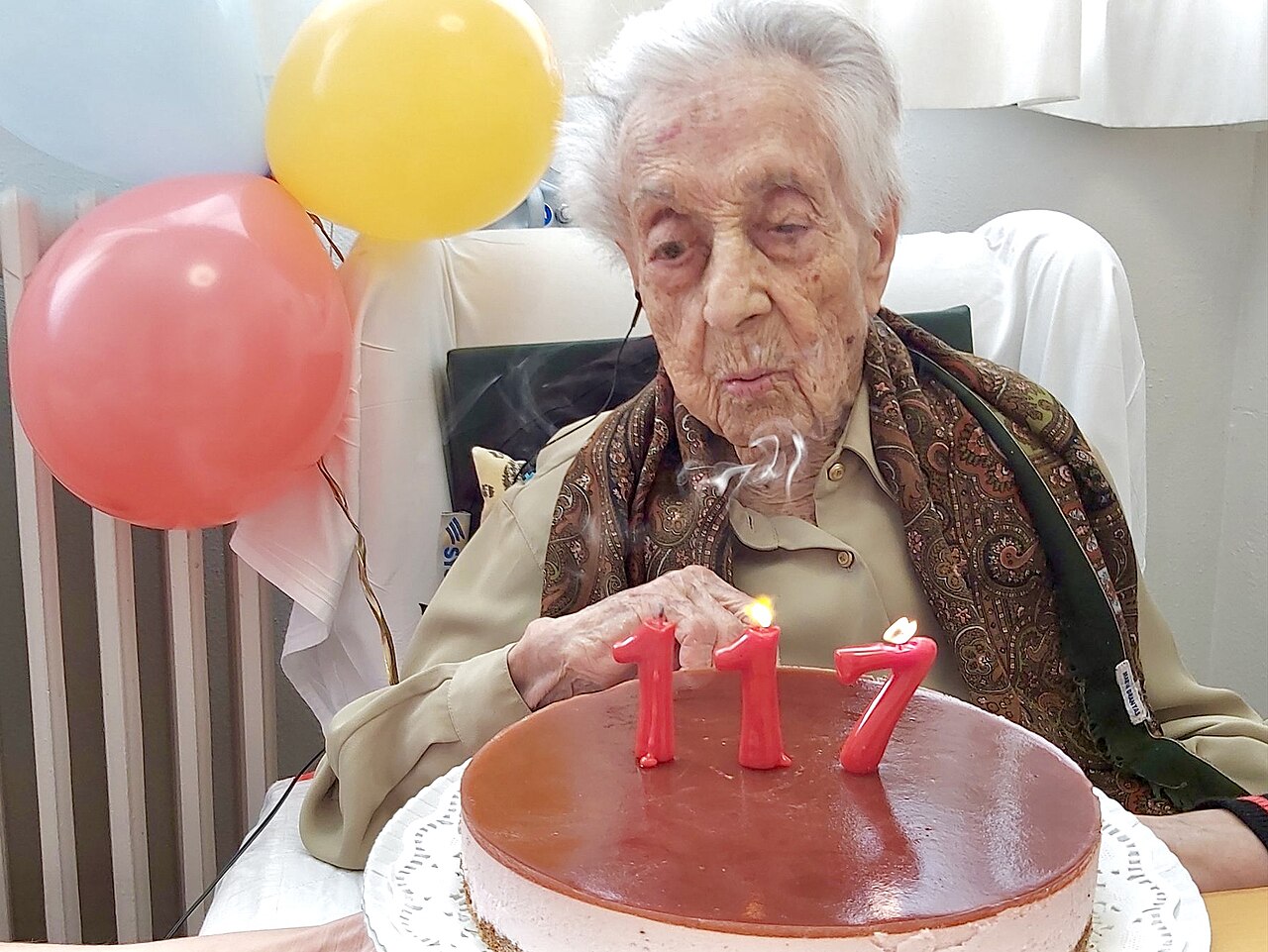
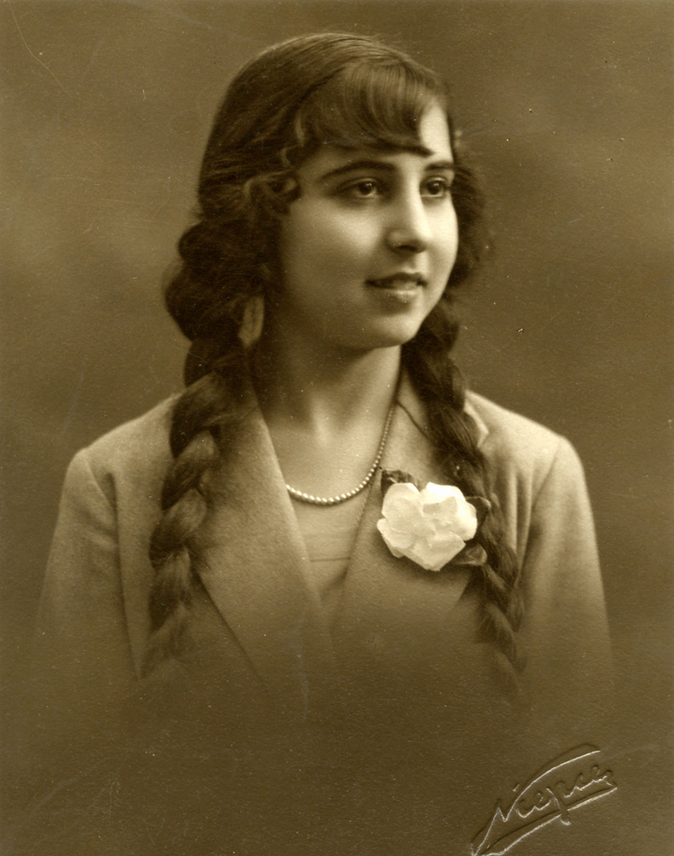
Maria Branyas Morera, a Spanish-American supercentenarian, lived to the remarkable age of 117. Born on March 4, 1907, in the United States, she experienced more than a century of world events, social change, and technological progress before her death in 2024.
Her lifespan stretched across eras that most people only read about in history books. From the years before World War I to the digital age, she witnessed transformations that reshaped daily life across the globe.
During her lifetime, she saw two world wars, the leadership of 21 U.S. presidents, and countless innovations that changed communication, transportation, healthcare, and entertainment.
A Journey That Changed Her Life
Although Maria was born in San Francisco, her family relocated to Spain in 1915. The move marked the beginning of a new chapter that would define the rest of her life.
The journey was marked by tragedy. Toward the end of the voyage, her father died from pulmonary tuberculosis.
Despite that heartbreaking loss, Maria and her family settled in Catalonia, where she would spend the remainder of her life.
Over the decades, she became deeply connected to her adopted homeland while building a family and creating a legacy that would ultimately attract worldwide attention.
A Remarkable Request Before Her Death
As she approached the end of her life, Maria made an unusual and meaningful request.
She asked doctors and researchers to study her DNA and biological makeup in hopes of discovering what had allowed her to become the world’s oldest living person.
Rather than viewing her longevity as a personal achievement alone, she hoped that examining her body might provide valuable information that could benefit future generations.
Her request inspired a scientific investigation focused on understanding the factors that contributed to her exceptional lifespan.
Scientists Begin an In-Depth Investigation
A team of Spanish researchers, including specialists from the University of Barcelona and the Josep Carreras Leukaemia Research Institute, launched a detailed examination of Maria’s biological profile.
The study involved collecting tissue samples and conducting extensive analyses of her cells, genetics, and overall biological condition.
Researchers wanted to understand why she remained so healthy despite reaching an age that very few people ever attain.
Their goal was not simply to explain longevity, but to determine whether aging and illness are necessarily linked.
Separating Age From Disease
The findings generated significant interest because Maria appeared to challenge common assumptions about growing old.
Researchers noted that many people experience increasing health problems as they age. Maria, however, seemed to follow a different path.
Her condition suggested that advanced age does not automatically lead to severe illness or physical decline.
The investigation offered scientists an opportunity to examine how someone could reach such an advanced age while maintaining relatively strong health.
The study also raised important questions about whether biological aging can occur differently from person to person.
A Biological Age Far Younger Than Her Years
Among the most striking discoveries was the apparent difference between Maria’s chronological age and her biological condition.
Researchers found evidence suggesting that her body functioned as though she were considerably younger than her actual age.
According to the study, her biology appeared to resemble that of someone roughly 10 to 15 years younger.
This unusual finding helped explain why she maintained such remarkable vitality during the later stages of her life.
It also reinforced the idea that the aging process may vary significantly among individuals.
Exceptional Cardiovascular Indicators
The analysis revealed several favorable health markers that likely contributed to her longevity.
Maria had exceptionally low levels of what is commonly known as bad cholesterol, along with low triglyceride levels.
At the same time, researchers observed unusually high levels of good cholesterol.
These indicators are often associated with better cardiovascular health and may have played an important role in supporting her long lifespan.
The combination of these factors distinguished her from many people of similar age.
Healthy Habits Throughout Life
Scientists did not attribute Maria’s longevity solely to genetics.
Her daily habits also appeared to contribute significantly to her overall well-being.
She remained physically active, avoided smoking, and did not consume alcohol.
In addition, she maintained strong social connections throughout her life, staying engaged with family members, friends, and her community.
These lifestyle choices may have supported both her physical and emotional health over the years.
A Daily Routine That Included Yogurt
Researchers also noted a personal habit that became a subject of interest during the investigation.
Maria regularly consumed yogurt and reportedly favored the Spanish brand La Fageda.
The probiotic yogurt contains bacteria associated with fighting inflammation, a process that has been linked to many age-related health conditions.
While scientists did not identify yogurt as a single explanation for her longevity, they considered it one component of a broader pattern of healthy living.
Her mornings often began with a smoothie containing eight different cereals, providing another example of her consistent dietary habits.
Genetic Clues Hidden Within Her Cells
One of the most fascinating aspects of the study involved examining Maria’s chromosomes.
Researchers focused particular attention on structures known as telomeres, which protect the ends of chromosomes.
Telomeres are often discussed in aging research because they tend to shorten over time.
Short telomeres have frequently been associated with increased mortality and age-related decline.
However, Maria’s case challenged some of those assumptions.
An Unexpected Telomere Finding
Despite her extraordinary age, Maria displayed unusual telomere characteristics that attracted significant scientific attention.
Researchers noted that studies involving very old individuals have suggested telomere length may not always serve as a reliable indicator of aging.
In Maria’s case, her shorter telomeres may have actually provided certain protective benefits.
Scientists proposed that they could have helped limit the growth of cancer cells, reducing one potential health risk.
This observation highlighted the complexity of aging and demonstrated that biological processes do not always follow expected patterns.
A New Perspective on Longevity
The broader conclusions from the research suggested that extremely advanced age and poor health are not necessarily inseparable.
Maria’s life demonstrated that it may be possible to reach exceptional ages without experiencing severe physical decline.
The study encouraged scientists to rethink traditional assumptions about aging and health.
It also provided valuable information that may influence future research into healthy longevity.
Although the findings came from a single individual, they offered a rare and detailed glimpse into the biology of exceptional aging.
The Balance Between Genetics and Lifestyle
Researchers emphasized that no single factor could explain Maria’s longevity.
Instead, her lifespan appeared to result from a combination of inherited advantages and personal choices.
Her genetic profile may have provided a strong foundation, while healthy habits helped support that foundation throughout her life.
This combination of nature and nurture became one of the central themes of the investigation.
The findings suggested that both inherited traits and daily behavior can influence long-term health outcomes.
Becoming the World’s Oldest Living Person
Maria gained international recognition when she became the world’s oldest verified living person.
She received the title following the death of French nun Sister André on January 17, 2023.
From that point until her own death, she held the distinction of being the oldest verified living person on Earth.
She passed away on August 19, 2024, at the age of 117 years and 168 days.
Her longevity attracted admiration from people around the world and inspired widespread curiosity about her life.
Overcoming COVID-19 at an Advanced Age
One of the most remarkable episodes of her later years occurred during the COVID-19 pandemic.
In March 2020, Maria became the oldest person at the time known to have recovered from the virus.
Her recovery drew international attention because older adults faced particularly high risks during the pandemic.
The event added another extraordinary chapter to a life already filled with remarkable milestones.
It also reinforced interest in the factors that may have contributed to her resilience.
A Voice for Older Generations
Maria used her platform to advocate for better treatment of elderly people.
She argued that the pandemic revealed how often older individuals are overlooked within society.
Her comments reflected concern for a generation that had spent decades contributing to their communities and families.
She believed older people deserved greater recognition and dignity, particularly during difficult times.
Her words resonated with many who shared similar concerns about the treatment of aging populations.
A Large and Loving Family
Family remained central to Maria’s life throughout her 117 years.
She was the mother of three children and also enjoyed a large extended family.
By the time of her later years, she had 11 grandchildren and 13 great-grandchildren.
These relationships provided meaningful social connections that remained important throughout her life.
Researchers often note the importance of strong social bonds, and Maria’s life offered a powerful example of that principle.
Her Personal Advice for a Long Life
With assistance from her daughter, Maria shared thoughts and advice through social media.
She often reflected on the habits and attitudes she believed had contributed to her longevity.
Among the qualities she emphasized were order, tranquillity, and maintaining strong connections with family and friends.
She also valued spending time in nature, preserving emotional stability, and avoiding unnecessary stress.
Her outlook focused heavily on positivity and cultivating healthy relationships.
A Philosophy Centered on Peace and Positivity
Maria frequently highlighted the importance of avoiding regret and minimizing worry.
She believed emotional balance played a significant role in overall well-being.
Maintaining a positive attitude and staying away from toxic influences formed a key part of her philosophy.
These principles reflected a practical and optimistic approach to life.
Whether through genetics, habits, or mindset, her experience suggested that healthy aging involves multiple interconnected factors.
A Legacy That Continues Beyond Her Lifetime
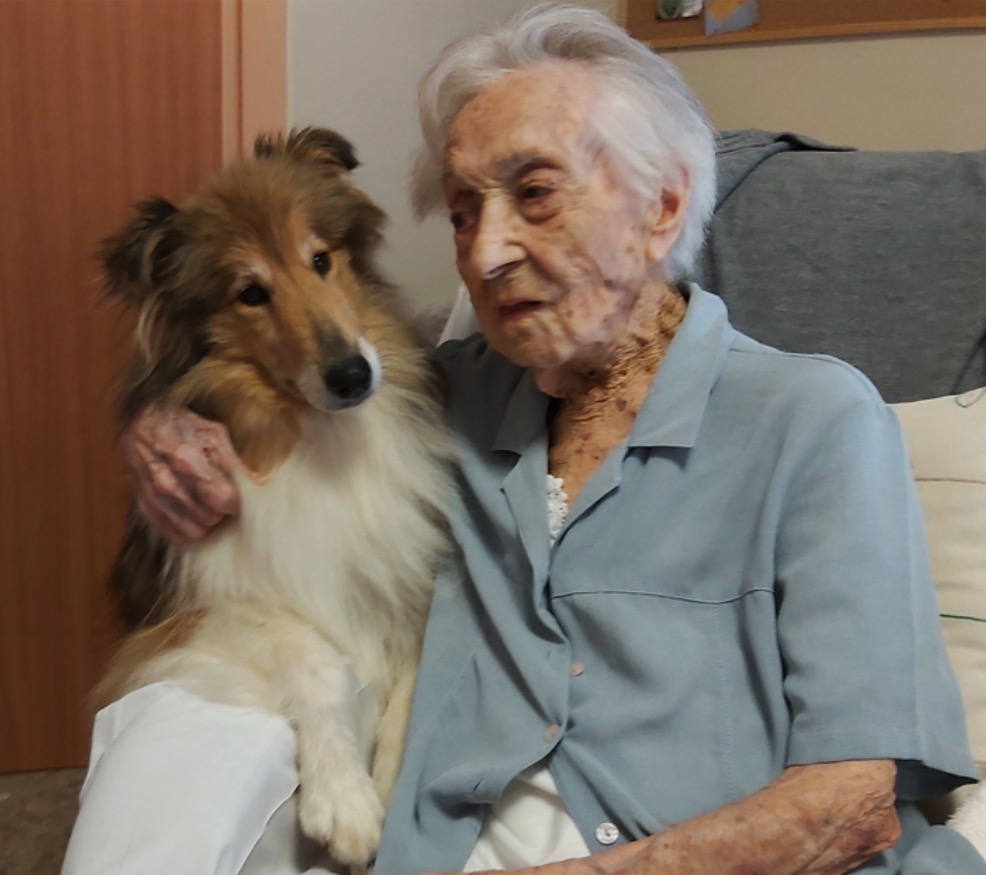
Maria Branyas Morera’s extraordinary life left behind more than memories and records.
Through her decision to participate in scientific research, she contributed valuable information that may help future studies of aging and longevity.
Her biological profile offered researchers a unique opportunity to explore why some individuals remain healthy far longer than expected.
The knowledge gained from her case may influence future investigations into disease prevention, healthy aging, and quality of life.
Although many questions remain unanswered, her contribution has already provided important clues.
Remembering an Extraordinary Life
Maria’s story combined resilience, family, healthy habits, and exceptional genetics in a way rarely seen.
She experienced more than a century of history while maintaining an outlook rooted in optimism and connection.
Her life demonstrated that aging does not necessarily mean poor health and that longevity may depend on a complex interaction of biological and lifestyle factors.
As researchers continue exploring the secrets hidden within her DNA, Maria Branyas Morera’s legacy endures as both a scientific inspiration and a reminder of the possibilities of healthy aging.
Her remarkable journey may ultimately help future generations better understand how to live not only longer lives, but healthier and more fulfilling ones as well.
