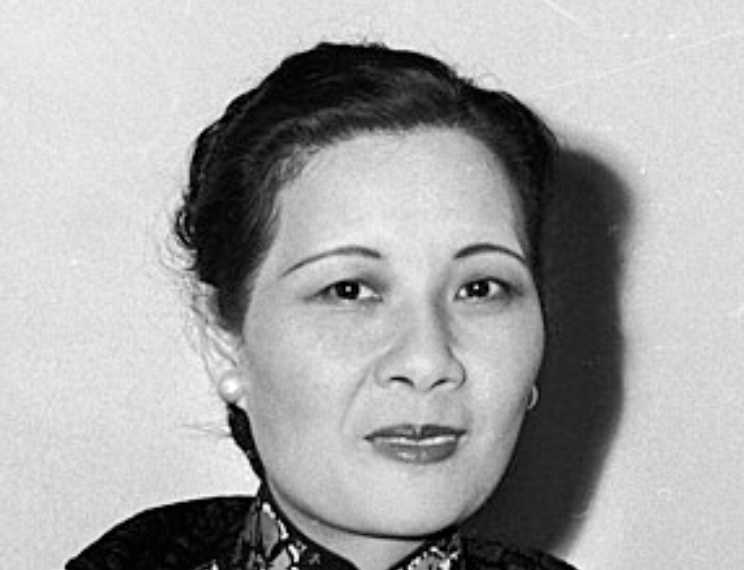
Soong Mei-ling’s Daily Habits and Diet Continued to Fascinate People Long After Her Death
Soong Mei-ling, widely known as Madame Chiang, remained one of the most influential women connected to Chinese politics during the first half of the 20th century.
As the wife of Nationalist Chinese leader Chiang Kai-shek, she became internationally recognized for her political influence, diplomatic presence, and public image.
However, beyond politics and public life, many people also became fascinated by her remarkable longevity and disciplined lifestyle.
Soong Mei-ling lived to the age of 106, surviving serious illness and maintaining routines that attracted lasting attention even decades later.
A Life of Influence and Privilege
Before becoming Madame Chiang, Soong Mei-ling already came from a wealthy and successful family.
Her upbringing provided her with access to education, opportunity, and a comfortable lifestyle long before her marriage to Chiang Kai-shek.
She eventually emerged as a highly visible political figure during a critical period in Chinese history.
Her influence extended beyond domestic politics and reached international audiences through diplomacy and foreign relations.
At a time when few women held such visibility in political affairs, Soong Mei-ling became known around the world.
A Serious Health Battle at Age 40
Despite her public success and privileged life, Soong Mei-ling faced a major personal challenge when she was diagnosed with cancer at the age of 40.
The diagnosis came at a relatively young age and shocked many people familiar with her public life.
However, she survived the disease and continued living for several more decades.
Her ability to overcome cancer and later reach the age of 106 contributed significantly to public curiosity surrounding her lifestyle and health habits.
Many people viewed her longevity as extraordinary, especially given the medical limitations that existed during much of her lifetime.
Interest in Her Lifestyle Continued for Decades
After her death in 2003, public fascination with her routines and eating habits continued.
Many people became interested in the practices she followed daily and the role traditional wellness principles may have played in her long life.
Her disciplined schedule and careful eating habits became topics of ongoing discussion among individuals interested in health and longevity.
Particular attention was given to her understanding of Traditional Chinese Medicine and the structured lifestyle she maintained throughout her later years.
A Strict and Consistent Daily Routine
One of the most discussed aspects of Soong Mei-ling’s life was her highly organized daily routine.
She reportedly maintained consistent sleeping habits for many years.
Her bedtime was around 11 p.m., and she typically woke at approximately 9 a.m.
The consistency of her schedule became part of the broader public perception that discipline and routine contributed to her overall well-being.
In addition to regular sleep habits, she dedicated time each day to creative and mentally engaging activities.
Reading and drawing reportedly occupied around two hours of her daily schedule.
These quiet activities reflected a lifestyle that balanced structure with personal relaxation and intellectual stimulation.
Morning Habits Became Part of Her Wellness Routine
Soong Mei-ling also followed specific dietary habits that became closely associated with her lifestyle.
She reportedly began each morning with a glass of cold water mixed with lemon.
This simple routine became one of the most frequently discussed details of her daily habits.
Her diet also included several fruits that she consumed regularly.
Kiwis, pineapples, and lychees were said to hold a special place in her eating regimen.
These foods became associated with the careful nutritional approach she reportedly followed throughout her life.

Celery Played a Major Role in Her Diet
Among the vegetables most strongly connected to Soong Mei-ling’s eating habits was celery.
The vegetable has long held importance within Traditional Chinese Medicine and was considered a staple in her daily meals.
Celery contains proteins, carbohydrates, carotenoids, and several B vitamins.
It is also widely recognized for being affordable and relatively easy to grow.
Many people interested in traditional dietary practices have viewed celery as beneficial for supporting overall wellness.
It has been associated with heart health, eye support, weight management, and protection against free radical damage.
Because of these qualities, celery became one of the most frequently mentioned foods connected to Soong Mei-ling’s longevity.
Spinach Was Another Important Part of Her Meals
Spinach also played a significant role in her daily eating habits.
The vegetable is rich in nutrients including protein, calcium, iron, phosphorus, and vitamin B2.
People interested in nutrition and healthy aging often point to spinach as a food associated with multiple wellness benefits.
It has been linked to supporting brain function, delaying signs of aging, and contributing to digestive health.
Within discussions surrounding Soong Mei-ling’s diet, spinach became another example of her preference for nutrient-rich foods and simple meal choices.
Small and Frequent Meals Defined Her Eating Style
Another notable aspect of Soong Mei-ling’s lifestyle was the way she approached portion sizes and meal frequency.
Rather than eating a small number of large meals, she reportedly followed a pattern of eating five smaller meals throughout the day.
She also practiced a habit of stopping before becoming completely full.
Her meals were typically eaten until she felt approximately 70% satisfied, leaving her in what was described as a “semi-hungry” state.
This method reflected a philosophy of moderation and restraint that remained consistent throughout her later years.
Many people interested in weight management and longevity have continued discussing this eating approach long after her death.
Discipline and Moderation Became Central Themes
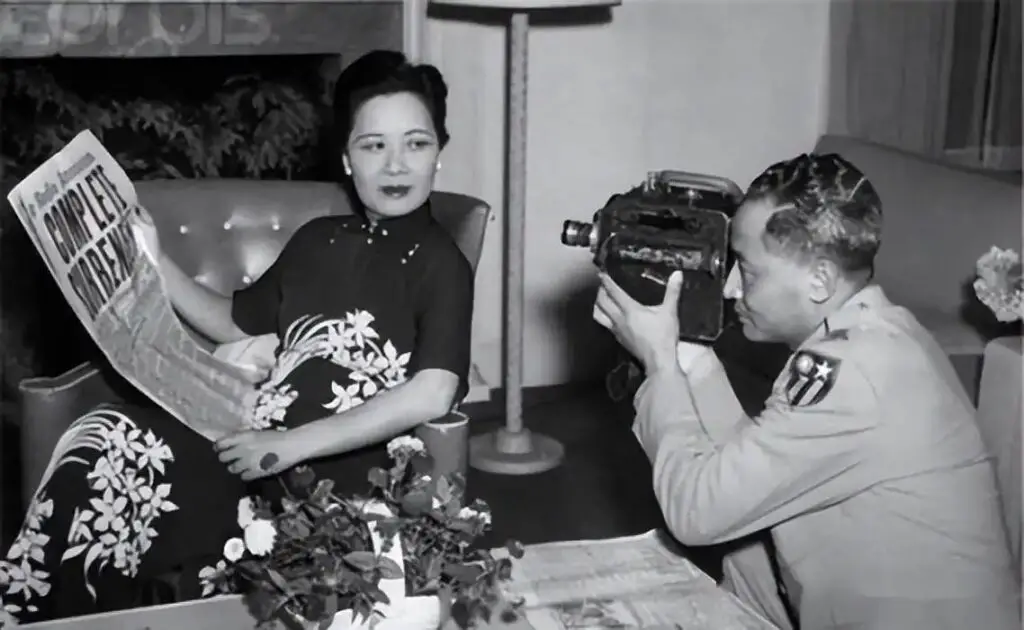
The public fascination surrounding Soong Mei-ling’s habits often centered on the themes of discipline, consistency, and moderation.
Her routines did not rely on extreme trends or dramatic lifestyle practices.
Instead, they reflected a steady commitment to structure and balanced daily living.
Her schedule, food choices, creative hobbies, and portion control all contributed to the image of someone who approached health carefully and deliberately.
Even decades later, many people continue viewing her life as an example of how long-term habits can shape overall well-being.
Traditional Chinese Medicine Influenced Her Lifestyle
Traditional Chinese Medicine reportedly played an important role in how Soong Mei-ling approached health and nutrition.
Many of the foods included in her diet were highly regarded within traditional wellness practices.
Vegetables like celery and spinach were valued not only for nutrition but also for their broader role in supporting balance within the body.
The combination of diet, routine, and moderation reflected principles commonly associated with traditional approaches to health maintenance.
This connection contributed to the lasting interest in her personal habits among people studying wellness and longevity practices.
Her Longevity Continued to Inspire Many People
Living to the age of 106 made Soong Mei-ling one of the longest-lived political figures of her era.
Her ability to survive cancer at age 40 and continue living for more than six additional decades strengthened public fascination with her lifestyle.
Many people viewed her routines as evidence that disciplined daily habits may contribute to long-term health and vitality.
Even after her passing in 2003, discussions surrounding her diet and routines continued circulating widely.
Women interested in healthy aging and weight management especially found inspiration in her approach to eating smaller meals and maintaining moderation.
A Legacy Beyond Politics
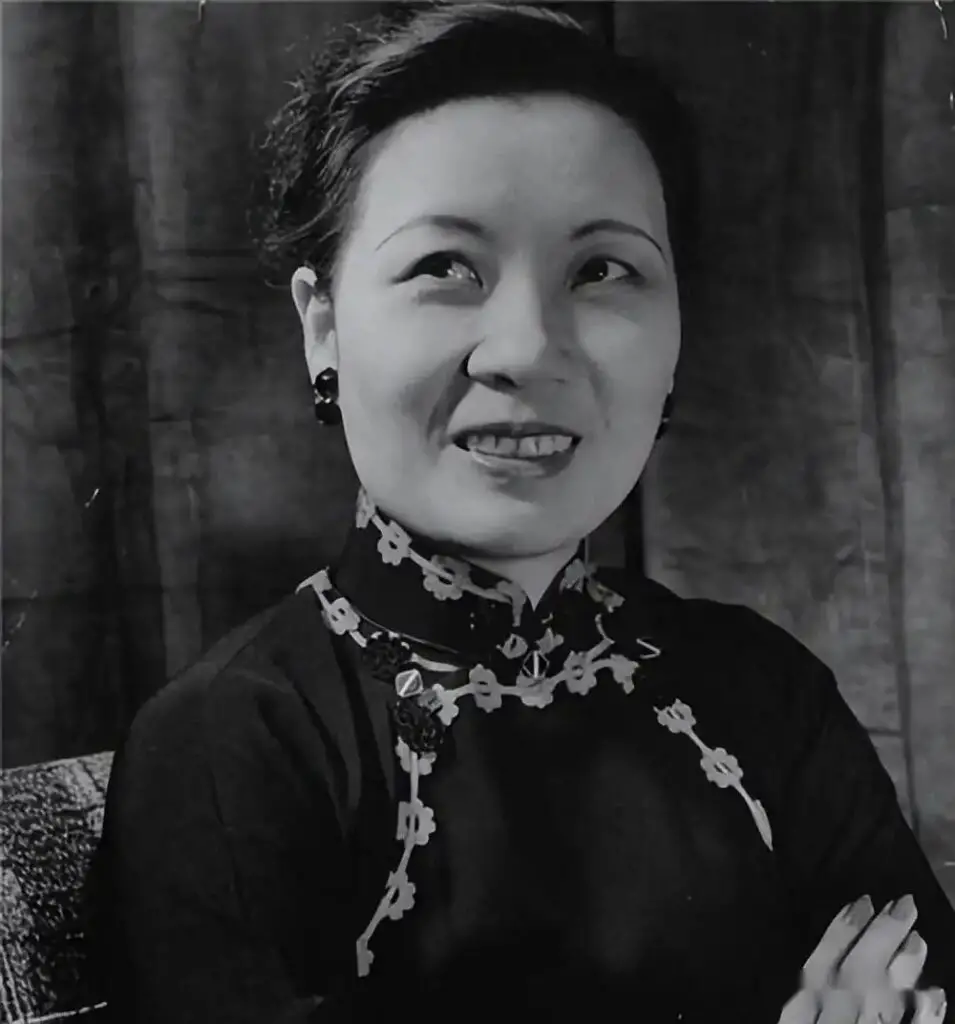
Although Soong Mei-ling is remembered primarily for her role in Chinese political history, her personal lifestyle eventually became another major part of her legacy.
Her longevity, disciplined habits, and nutritional choices continued attracting public attention long after her years in politics ended.
The image of a woman who balanced influence, resilience, and personal discipline remained compelling to many people around the world.
Her story combined political prominence with personal endurance, creating a legacy that extended far beyond government and diplomacy.
Today, Soong Mei-ling continues to be remembered not only as Madame Chiang, but also as a symbol of longevity, structure, and lifelong discipline.
