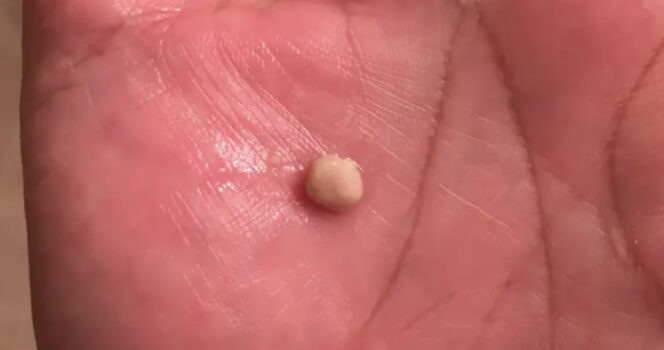
Tonsil Stones Draw Attention Online as Videos of Their Removal Continue to Spread Across Social Media
Unusual Health Content Continues to Capture Massive Online Audiences
The internet has become a place where unusual, surprising, and sometimes disturbing content can spread around the world within hours. Social media platforms have amplified that trend even further, allowing videos and photos to reach millions of viewers almost instantly.
As a result, certain types of content repeatedly become viral sensations. Material connected to the human body has proven especially popular, even when viewers describe it as unpleasant or difficult to watch.
Over the years, videos involving pimple popping, cyst draining, blackhead extraction, and earwax removal have attracted enormous audiences online. Many people admit they find the clips both disgusting and strangely fascinating at the same time.
Now another type of medical-related video has been gaining attention online: tonsil stone removal.
For many viewers, the clips are their first introduction to a condition they never knew existed. Despite the shocking appearance of the stones in viral videos, the condition itself is more common than many people realize.
What Exactly Are Tonsil Stones?
Tonsil stones are small formations that develop inside the tonsils, which are located at the back of the throat. They are typically white or yellow in color and can vary in size from tiny specks to larger hardened deposits.
The formations occur when debris becomes trapped in small pockets and crevices within the tonsils. Over time, those trapped materials harden and form what are known as tonsil stones.
The buildup may include food particles, bacteria, fungi, mucus, or minerals such as calcium.
Although they can appear alarming in photographs and videos, tonsil stones are generally considered harmless.
In many cases, people who have them may not even realize they exist.
How Tonsil Stones Form
The tonsils contain natural folds and openings known as tonsillar crypts. These spaces can collect tiny particles from food and other materials that pass through the mouth and throat each day.
When debris remains trapped, bacteria can gather around it. Minerals may then accumulate and harden the material into small stone-like formations.
The process develops gradually and often without pain.
Because the tonsils are part of the body’s immune system, they regularly come into contact with bacteria and other particles entering through the mouth. This constant exposure contributes to the possibility of buildup occurring inside the tonsillar crypts.
Some individuals appear more likely to develop tonsil stones than others, particularly if they have larger tonsillar crypts or frequent throat-related issues.
Symptoms Can Vary From Person to Person
Not everyone with tonsil stones experiences symptoms. Some people discover them accidentally while brushing their teeth or looking in a mirror.
Others may notice more obvious signs.
One of the most common symptoms associated with tonsil stones is persistent bad breath. The trapped bacteria and debris can create unpleasant odors that remain even after brushing or mouthwash use.
Additional symptoms may include coughing, throat irritation, ear discomfort, or a sore throat.
In some situations, people describe feeling as though something is stuck in the back of their throat.
Larger tonsil stones may become more noticeable because they can create visible white spots on the tonsils themselves.
The Condition Is More Common Than Many Realize
Despite how unfamiliar the term may sound to some people, tonsil stones are relatively common.
Reports indicate that millions of Americans experience the condition every year.
Many cases remain mild and never require medical treatment. Because the stones are often painless, some people live with them for long periods without realizing what they are.
The rise of social media videos has introduced the condition to a much wider audience.
For many viewers, watching a tonsil stone removal clip becomes both educational and unsettling at the same time.
The unusual appearance of the stones and the methods used to remove them have made the videos especially popular online.
Viral Videos Spark Curiosity and Disgust
Online reaction to tonsil stone videos often falls into two categories: fascination and disgust.
Some viewers become deeply curious after learning about the condition for the first time. Others struggle to watch the clips because of how graphic they can appear.
Still, the videos continue attracting enormous numbers of views.
People who previously became interested in pimple popping and extraction videos often find themselves drawn toward tonsil stone content for similar reasons.
The videos usually show stones being carefully removed from the tonsils using simple tools or pressure.
For some viewers, there is satisfaction in seeing the removal process completed. For others, the visual nature of the clips makes them difficult to watch.
Regardless of individual reactions, the popularity of the videos demonstrates how strongly people are drawn toward unusual medical and body-related content online.
Home Removal Methods Are Common
One reason tonsil stone videos have become so widespread is that many cases can be managed at home.
Several simple techniques are commonly used to dislodge the stones safely.
Gargling with warm salt water is one of the most widely recommended methods. The water may help loosen smaller stones while also reducing irritation in the throat.
Some individuals carefully use cotton swabs or similar soft objects to remove visible stones from the tonsils.
Others find that coughing strongly can loosen the buildup naturally.
Because the stones are often located near the surface of the tonsils, they may come free relatively easily.
However, aggressive removal attempts can irritate the throat or damage delicate tissue if not done carefully.

Why Tonsil Stones Receive So Much Attention Online
The internet has shown repeatedly that people are fascinated by content involving hidden or unexpected aspects of the human body.
Tonsil stones fit perfectly into that category because many people have never heard of them before seeing viral videos online.
The combination of surprise, curiosity, and visual shock helps explain why the clips spread so quickly across social media platforms.
Many viewers initially click on the videos out of disbelief.
Others become interested because the symptoms sound familiar to them personally, especially issues involving persistent bad breath or throat discomfort.
For some, discovering the existence of tonsil stones suddenly provides an explanation for symptoms they previously did not understand.
The educational element of the videos also contributes to their popularity.
Even people who find the content unpleasant often continue watching simply because they are curious about how the condition develops and how the stones are removed.
The Human Body Continues to Fascinate Online Audiences
Medical and body-related videos consistently rank among the internet’s most shared and discussed forms of content.
Whether the subject involves skin care, dental procedures, ear cleaning, or tonsil stones, viewers continue returning to material that reveals unusual aspects of human health.
Part of that fascination comes from the fact that many bodily processes remain unfamiliar to the average person.
When videos reveal conditions or procedures people have never encountered before, curiosity naturally follows.
Tonsil stones represent one example of how an everyday medical issue can suddenly become a viral online trend.
Although the videos may not appeal to everyone, they have undeniably introduced millions of people to a condition they previously knew nothing about.
Awareness Continues to Grow
As more videos circulate online, awareness of tonsil stones continues increasing.
People who experience symptoms such as chronic bad breath, throat discomfort, or coughing may now recognize possible signs they once overlooked.
The internet’s ability to spread unusual information rapidly has transformed even relatively minor medical conditions into major discussion topics.
For many viewers, discovering tonsil stones becomes both informative and unforgettable.
The videos may provoke strong reactions, but they also highlight how social media continues reshaping the way people learn about health, the human body, and conditions that once received little public attention.
What was once an obscure issue discussed quietly in medical settings has now become part of a viral online phenomenon watched by millions around the world.
