
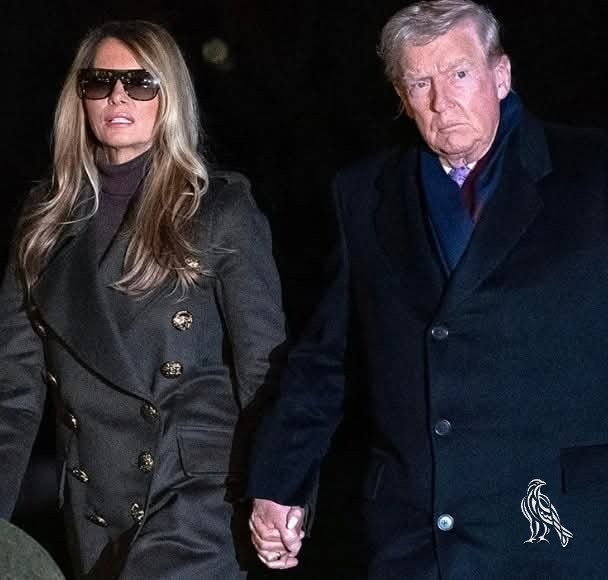
Political Debate Intensifies as Questions About Transparency and Influence Return to the National Spotlight
Renewed Scrutiny Shapes Washington’s Political Climate
The political atmosphere in Washington has once again shifted into a period of heightened debate following a series of developments that brought renewed attention to questions surrounding transparency, accountability, and political influence.
At the center of the discussion is Donald Trump, whose reactions to recent scrutiny have triggered widespread responses across television programs, online platforms, and political commentary circles.
While political controversy has long been part of American public life, many observers believe the current moment carries a different tone because it extends beyond standard partisan disagreements and focuses on broader concerns about institutional trust.
Over the past several years, Americans have increasingly examined the relationships between elected officials, wealthy donors, influential business figures, lobbyists, and celebrities connected to political power.
These discussions have become central to national conversations about how access and influence operate within modern political systems.
Public Attention Returns to Powerful Networks
Recent conversations connected to the legacy of Jeffrey Epstein have once again reignited public interest in how influential individuals from politics, business, finance, and entertainment interacted within elite social circles.
Although earlier debates often focused on targeting specific political opponents, current discussions appear broader in scope and more focused on systemic questions involving power and influence.
Commentators from multiple political backgrounds have begun revisiting how long-standing networks of wealth and status shaped relationships among public figures over several decades.
Archived photographs, past interviews, and historical records circulating online have contributed to renewed public curiosity about these connections.
In the modern digital environment, even old associations can rapidly become major political topics, particularly during periods when public trust in institutions already feels uncertain.
Different Reactions From Political Leaders
Political leaders and public commentators have responded to the renewed scrutiny in sharply different ways.
Some officials and analysts have argued that greater transparency and disclosure are necessary so citizens can better understand how influence functions behind closed doors.
Others have warned that online speculation and politically charged accusations risk turning serious discussions into sensational controversies lacking proper context or verified evidence.
This disagreement has contributed to an increasingly polarized media landscape where facts, opinions, speculation, and emotional reactions often compete for public attention simultaneously.
The divide reflects broader national tensions over how accountability should be handled in an era dominated by rapid digital communication and nonstop political coverage.
Focus Expands Beyond Individual Figures
Attention has also turned toward Hakeem Jeffries and other senior political figures as commentators revisit past statements, relationships, and institutional decisions.
For many voters, the issue is no longer limited to one individual controversy or one political party.
Instead, citizens are increasingly asking whether public officials apply consistent ethical standards regardless of political affiliation or personal alliances.
This focus on consistency reflects growing frustration among voters who believe accountability in Washington sometimes depends more on party loyalty than universal principles.
Many Americans now view transparency and ethical consistency as critical factors when evaluating political leadership and institutional credibility.
Campaign Financing and Lobbying Under the Microscope
Campaign financing has become another major element of the national conversation.
Political analysts and ethics experts continue to emphasize how modern election campaigns rely heavily on fundraising networks, advocacy groups, political action committees, and wealthy donors capable of shaping campaign priorities.
Because many contributors financially support candidates across multiple political backgrounds, some observers argue that influence in Washington frequently operates beyond simple party divisions.
This perception has intensified calls for campaign finance reform, stronger disclosure requirements, and increased oversight of lobbying practices.
Supporters of reform argue that greater transparency could strengthen public confidence in political systems that many voters currently view with skepticism.
Critics, however, caution that reforms must carefully balance transparency with constitutional protections and privacy concerns.
Public Reaction Remains Deeply Divided
Reaction among the public has been intense and sharply divided.
Some Americans believe these discussions represent a positive sign that citizens are becoming more engaged with issues involving ethics, institutional accountability, and political transparency.
Others worry that constant controversy and endless media conflict contribute to political exhaustion, cynicism, and public distrust.
Despite differing opinions about the current debate, surveys and public commentary continue to show that trust in government institutions remains a major concern for many voters.
Questions involving honesty, fairness, and transparency increasingly influence how citizens evaluate leaders and political priorities.
The Powerful Role of Social Media
Social media platforms have played a major role in shaping public perception during the latest political debate.
Interviews, archived news reports, political commentary, and historical photographs now spread across digital platforms within minutes, allowing millions of users to participate in public discussions in real time.
In previous decades, many of these conversations might have remained largely confined to investigative journalists or political insiders.
Today, however, digital media allows ordinary citizens to engage directly with political controversies as they develop.
This rapid information flow creates opportunities for greater transparency while also increasing the risk of misinformation, emotional reactions, and premature conclusions.
As a result, public debates often evolve at extraordinary speed before all relevant facts become fully understood.
How the Debate Could Influence Future Elections
Political strategists are closely monitoring how these discussions could affect future campaigns and voter behavior.
Analysts believe issues involving institutional trust, ethics, lobbying, and financial transparency may become increasingly important in future election messaging.
Younger voters in particular have frequently expressed frustration with traditional political systems and growing concern about the influence of money within government.
Calls for stronger financial disclosure laws, lobbying reforms, and accountability measures continue gaining visibility among reform-minded groups.
Candidates capable of addressing these concerns effectively may gain support from voters seeking greater openness from political institutions.
Warnings Against Oversimplification
At the same time, defenders of existing political systems caution against drawing conclusions solely from public associations or social proximity.
They argue that influential individuals frequently encounter one another at public events, charitable functions, and business gatherings, especially within elite circles.
According to this perspective, accountability must remain grounded in verified facts rather than assumptions created through viral narratives or online speculation.
Many commentators stress the importance of distinguishing between legitimate investigative reporting and emotionally driven accusations lacking evidence.
The challenge of separating fact from speculation has become increasingly difficult in an era where information spreads instantly across digital platforms.
The Growing Importance of Media Literacy
The broader debate has also highlighted concerns about how modern political coverage is consumed by the public.
Many political discussions now combine breaking news, commentary, outrage, speculation, and entertainment-style coverage into a constant stream of content designed to attract attention quickly.
As a result, political controversies can become emotionally charged long before complete information is available.
Media literacy experts continue encouraging audiences to evaluate information carefully, verify claims independently, and avoid relying solely on sensational headlines or incomplete narratives.
They emphasize that responsible journalism and careful analysis remain essential during periods of heightened political tension.
The Larger Conversation About Trust and Power
Despite intense political disagreements, one theme continues appearing consistently throughout public reactions: the desire for trust in institutions and leadership.
Many Americans want reassurance that political systems operate fairly, transparently, and consistently regardless of social status or political affiliation.
Whether discussions involve campaign financing, donor influence, lobbying practices, or historical associations, citizens across different ideological groups often share concerns about the concentration of power among wealthy and influential networks.
These concerns reflect broader anxieties about whether ordinary voters truly possess equal influence within modern political systems.
Calls for Reform Continue to Grow
Some reform advocates believe moments like this create opportunities for meaningful institutional change.
Proposals involving stricter ethics rules, expanded transparency laws, enhanced disclosure requirements, and stronger oversight mechanisms have received renewed attention during the debate.
Supporters argue that such measures could improve public confidence and reduce perceptions that political systems primarily benefit the well-connected.
Opponents, however, warn that reforms must be carefully structured to avoid unintended consequences involving privacy rights or constitutional protections.
The debate reflects long-standing tensions between accountability, political influence, and individual freedoms that have appeared repeatedly throughout American history.
A Debate Reflecting Deeper National Concerns
Political historians note that periods of declining public trust are not new in American politics.
From previous financial scandals to investigations involving government officials, many historical moments have forced citizens to reconsider how power operates behind the scenes.
In that sense, current discussions represent part of a larger and continuing national conversation about ethics, influence, and institutional responsibility.
The emotional intensity surrounding modern politics has also become increasingly difficult to ignore.
For many people, political debates now feel deeply personal because they shape perceptions about leadership, fairness, and the future direction of the country.
While strong emotional engagement can encourage civic participation, analysts also warn that excessive polarization may deepen distrust between political opponents.
The Importance of Patience and Verified Information
As the debate continues evolving, many experts emphasize the importance of patience, evidence, and careful examination of verified facts.
Political controversies often change rapidly as new information emerges, and early public narratives can shift significantly over time.
Responsible reporting, transparent investigations, and access to accurate information remain essential for maintaining democratic accountability while minimizing misinformation.
Ultimately, the broader conversation extends beyond any single political figure or controversy.
It reflects growing public concern about trust, influence, and ethical responsibility within modern governance.
Whether discussions focus on financial networks, institutional systems, or political leadership, many Americans continue demanding greater transparency and consistency from those in positions of power.
A National Conversation Far From Over
The outcome of these debates could shape future political culture in important ways.
If calls for transparency and accountability continue growing, institutions and lawmakers may face increasing pressure to adopt reforms aimed at rebuilding public confidence.
If skepticism and distrust continue expanding, however, political divisions may deepen even further among voters already frustrated by years of conflict and controversy.
Regardless of political affiliation, many citizens appear united in one belief: trust in government and public institutions remains essential, and once weakened, restoring that trust can become extremely difficult.
In today’s fast-moving media environment, moments like this rarely remain isolated events. Instead, they become part of larger national discussions about leadership, integrity, accountability, and the relationship between citizens and political power.

