
The Forgotten History of the Shoe Horn and Why This Simple Tool Still Matters Today
A Mysterious Object That Sparked Online Curiosity
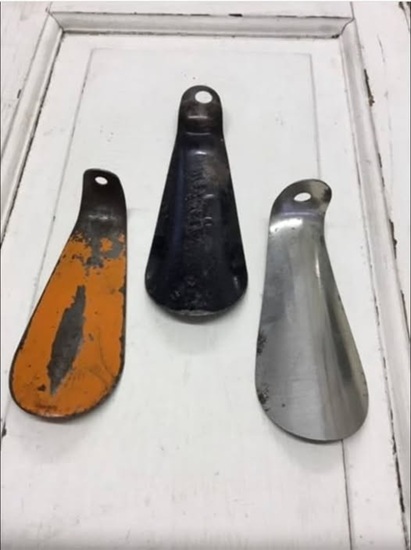
Across social media and online discussion forums, people often share photographs of strange vintage objects discovered in old homes, attic boxes, or inherited collections. One such object recently sparked widespread curiosity after users struggled to identify a curved tool found inside a drawer.
Some people believed it was an antique kitchen utensil, while others guessed it may have belonged to a medical kit or decorative collection. The unusual shape and polished surface made the item appear mysterious to younger viewers unfamiliar with older household accessories.
Eventually, the mystery was solved. The object was identified as a shoe horn, a practical tool that has quietly remained part of daily life for centuries.
Although simple in appearance, the shoe horn has long served an important purpose by helping people slide their feet into shoes more comfortably while protecting the structure and shape of the footwear itself.
The Origins of the Shoe Horn
The history of the shoe horn dates back hundreds of years. Historical evidence suggests that versions of the tool existed as early as the fifteenth century.
During that time, shoes were often handmade and expensive to produce. Because quality footwear represented a valuable investment, people searched for ways to preserve their shoes for as long as possible.
Early shoe horns were carefully crafted from natural materials including animal horn, carved wood, bone, and ivory. These materials were durable while also being smooth enough to guide the foot gently into a shoe without damaging the heel.
The curved design allowed the foot to slide into place more easily, reducing pressure on the back of the shoe. This helped maintain the original structure and prevented unnecessary wear.
Even in its earliest forms, the shoe horn combined practicality with craftsmanship.
From Household Tool to Symbol of Refinement
As footwear fashion evolved across Europe, shoe horns gradually became more common in wealthy households.
Many affluent families owned decorative versions designed to reflect social status and artistic taste. Some featured detailed engravings, while others included handles made from silver, brass, ivory, or polished wood.
In aristocratic homes, everyday objects were often expected to display elegance as well as functionality. Because of this, the shoe horn slowly transformed into more than just a useful accessory.
For some households, it became a symbol of refinement and personal care.
Craftsmen devoted significant attention to decorative details, creating pieces that reflected the artistic trends of their era. Family crests, floral patterns, and carved designs were commonly added to luxury shoe horns.
Even though the basic purpose remained practical, many versions also became small works of art.
Why Shoe Horns Became Increasingly Important
During the seventeenth and eighteenth centuries, shoemaking techniques became more advanced. Shoes developed firmer structures and tighter fits, especially among fashionable styles worn by wealthier individuals.
This made shoe horns even more valuable in daily life.
Without assistance from a shoe horn, forcing a foot into a tightly fitted shoe could bend or weaken the heel counter, causing the shoe to lose its shape over time.
Repeated stress could also damage stitching and materials, reducing the lifespan of expensive footwear.
By guiding the foot smoothly into place, the shoe horn helped protect the back of the shoe from unnecessary strain. This practical benefit ensured the tool remained widely used across generations.
For people who invested heavily in quality footwear, preserving the shape and durability of shoes became an important part of personal care and presentation.

The Industrial Revolution Changed Production
The Industrial Revolution brought major changes to the way shoe horns were manufactured.
Factories began producing them on a much larger scale, making the tool more affordable and accessible to ordinary households.
Metal versions made from brass and steel became increasingly common because they were durable and easy to produce efficiently.
As manufacturing technology improved further during the twentieth century, plastic shoe horns entered the market.
Plastic designs were lightweight, inexpensive, and suitable for mass production. This helped transform the shoe horn from a luxury accessory into an everyday household item used by people from many different backgrounds.
Although decorative luxury versions still existed, the shoe horn became widely recognized as a simple and practical tool available to nearly everyone.
Modern Shoe Horns Serve Different Needs
Today, shoe horns are produced in a wide range of styles, sizes, and materials to accommodate different lifestyles and physical needs.
Compact travel-sized models remain popular because they fit easily inside bags, suitcases, or briefcases. These smaller designs are especially useful for people who frequently wear dress shoes or formal footwear.
Long-handled shoe horns have also become increasingly common.
These extended versions are particularly helpful for older adults and individuals with mobility limitations because they reduce the need to bend down while putting on shoes.
For people dealing with arthritis, balance difficulties, or back pain, a long shoe horn can make daily routines safer and more comfortable.
The continued popularity of these designs demonstrates how a centuries-old invention still adapts to modern needs.
Materials Continue to Evolve
Modern shoe horns are now made from a variety of materials depending on style, price, and intended use.
Plastic remains one of the most common choices because it is affordable and flexible. Stainless steel versions are valued for their strength and long-term durability.
Wooden shoe horns continue attracting people who appreciate traditional craftsmanship and natural materials. Some manufacturers also produce luxury versions wrapped in leather or decorated with engraved details.
Despite advances in manufacturing and design, the basic curved structure of the shoe horn has changed very little over time.
The reason is simple: the original concept remains highly effective.
The tool still performs its task efficiently without requiring complex technology or constant redesign.
Collectors Value Antique Shoe Horns
In recent years, antique shoe horns have attracted growing interest from collectors and vintage enthusiasts.
Many older examples contain intricate carvings, decorative metalwork, and artistic handles shaped like flowers, animals, or mythological figures.
These pieces provide insight into the design trends and craftsmanship of earlier centuries.
Museums and private collectors sometimes display antique shoe horns as examples of decorative household artistry. Rare examples can become valuable collectibles depending on their age, condition, and craftsmanship.
Each piece tells a story about the period in which it was created, including the materials available at the time and the cultural importance placed on both utility and design.
For many collectors, antique household tools represent a connection to everyday life from previous generations.
The Internet’s Fascination With Forgotten Objects
The rise of social media has renewed interest in vintage household tools that many younger people no longer recognize.
Online communities regularly share photographs of mysterious objects discovered in old homes, garages, and inherited collections. These discussions often become collaborative efforts where users work together to identify forgotten items from the past.
The shoe horn has become one of many traditional tools rediscovered through these online conversations.
Younger generations who grew up wearing casual sneakers or slip-on footwear are sometimes surprised to learn how commonly shoe horns were once used.
The curiosity surrounding these objects reflects how quickly familiar household items can disappear from everyday memory.
At the same time, these discussions reveal growing appreciation for older tools designed around durability and practicality rather than novelty.
A Simple Tool With Lasting Value
Part of the shoe horn’s enduring appeal comes from its simplicity.
It does not rely on electricity, batteries, or digital systems. It performs one task efficiently and consistently.
In a world increasingly dominated by rapidly changing technology and disposable products, many people appreciate tools that remain dependable generation after generation.
The shoe horn represents a style of design focused on functionality, durability, and long-term usefulness.
Unlike many modern gadgets, it requires no updates, maintenance, or complicated instructions.
Its effectiveness lies entirely in thoughtful design.
Environmental Benefits of Using a Shoe Horn
Using a shoe horn regularly can also help extend the life of footwear.
By protecting the heel structure from repeated bending and pressure, the tool reduces wear and tear that may otherwise shorten the lifespan of shoes.
This can help decrease how often footwear needs to be replaced, particularly for expensive leather shoes designed for long-term use.
Small habits related to proper clothing care can contribute to more sustainable consumption over time.
Maintaining shoes properly not only preserves appearance but also reduces waste by encouraging longer product use.
For people who invest in high-quality footwear, a shoe horn remains a practical way to protect that investment.
Why Many People Still Use Shoe Horns Today
People who begin using shoe horns are often surprised by how much easier they make daily routines.
Tight dress shoes, formal footwear, and boots can be difficult to put on without damaging the back of the shoe.
Athletes, professionals, and people who wear structured footwear frequently rely on shoe horns to prevent creasing and preserve the original shape of their shoes.
Luxury shoe stores often include shoe horns with premium purchases, recognizing their importance in proper footwear care.
Some hotels also provide them in guest rooms as a convenience item.
The continued presence of shoe horns in modern life demonstrates that even simple inventions can remain relevant for centuries when they solve a common problem effectively.
A Lasting Example of Practical Design
The story of the shoe horn is ultimately a story about practicality, craftsmanship, and adaptation.
From handcrafted versions made from animal horn in medieval Europe to modern stainless steel and plastic designs, the purpose of the tool has remained remarkably consistent.
It continues helping people protect their footwear, improve comfort, and simplify everyday routines.
What may initially appear to be a strange antique object is actually one of the most enduring and quietly useful inventions in personal care history.
Its survival across centuries reflects the value of thoughtful design that prioritizes function over complexity.
In an age filled with disposable products and constant technological change, the humble shoe horn remains a reminder that some of the most successful inventions are also the simplest.
Whether displayed as an antique collectible or used beside the front door each morning, the shoe horn continues to serve the same reliable purpose it has fulfilled for generations.

