
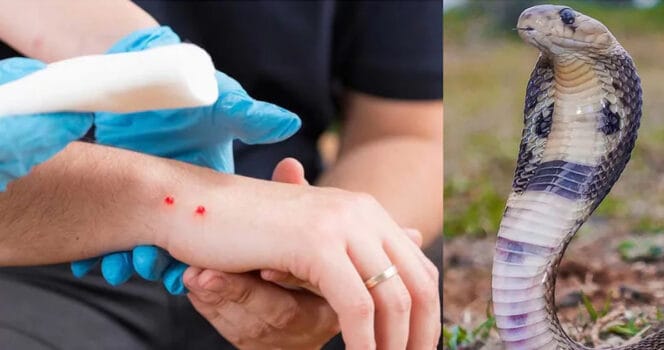
What To Do Immediately After a Snake Bite Could Save Your Life
Why Snake Bite Awareness Matters
Very few people expect to experience a snake bite during their lifetime, but knowing how to react in that situation can be critically important.
Whether hiking through remote wilderness, working outdoors, or exploring unfamiliar terrain, a sudden encounter with a venomous snake can become a medical emergency within minutes.
In isolated areas far from immediate help, the decisions made right after the bite can significantly affect the outcome.
Understanding the proper steps to take — and the dangerous mistakes to avoid — can improve the chances of survival and recovery.
How Common Are Venomous Snake Bites?
Each year in the United States, approximately 7,000 to 8,000 people are bitten by venomous snakes.
Fortunately, only a small number of those cases become fatal, largely because victims receive medical treatment quickly.
Without immediate medical care, however, the number of deaths could be considerably higher.
In many low- and middle-income countries, snakebite envenoming remains one of the deadliest neglected tropical health threats.
Access to treatment can be limited in remote regions, making education and preparedness especially important.
Which Snakes Are Venomous?
Globally, only about 15% of snake species are venomous.
In the United States, roughly 20% of snakes carry venom dangerous to humans.
The most well-known venomous snakes in North America include rattlesnakes, coral snakes, cottonmouths, and copperheads.
Many venomous snakes share similar physical characteristics, including triangular-shaped heads, slitted eyes, and visible fangs.
Coral snakes are one exception, as they typically have round pupils and a more rounded head shape.
Although not every bite from a venomous snake injects venom, every suspected venomous bite should be treated as a medical emergency.
The First Priority: Get Away From the Snake
If a snake bites you, the most important first step is creating distance between yourself and the animal.
Do not attempt to capture, kill, or handle the snake after the bite occurs.
Many people suffer additional bites while trying to interact with the snake again.
Moving safely out of striking range should happen immediately.
Once at a safe distance, focus on remaining as calm as possible.
Panic increases heart rate and circulation, which may allow venom to spread through the body more quickly.
Stay Calm and Limit Movement
Fear and adrenaline are natural reactions after a snake bite, but staying calm can make a major difference.
Slow breathing and minimal physical movement help reduce the speed at which venom circulates.
If possible, sit or lie down while waiting for assistance.
Avoid unnecessary walking, running, or strenuous activity.
The less movement involved, the slower the venom may spread through the bloodstream and lymphatic system.
Remove Tight Clothing and Jewelry
Swelling often begins shortly after a venomous bite.
Rings, watches, bracelets, boots, or tight clothing near the affected area can quickly become dangerous as swelling increases.
Removing these items early may prevent circulation problems and additional tissue damage.
Loosening restrictive clothing can also help reduce discomfort as swelling develops.
Observe the Snake Safely
If it can be done safely, try to remember details about the snake’s appearance.
Information such as color, markings, size, and shape may help medical professionals determine the correct treatment.
However, identification should never place the victim at risk of another bite.
If possible, a photo taken from a safe distance may be helpful.
Under no circumstances should anyone approach the snake for a closer look.
Keep the Affected Limb Immobilized
Keeping the bitten limb still is one of the most important steps after a venomous bite.
Movement can increase venom circulation throughout the body.
If available, use a sling or splint to stabilize the affected arm or leg.
The limb should remain at or slightly below heart level.
Elevating it too high may increase circulation, while allowing it to hang downward could worsen swelling.
Immobilization helps slow venom movement until medical treatment becomes available.
Seek Medical Attention Immediately
Professional medical care is essential after a venomous snake bite.
Emergency services should be contacted as quickly as possible.
If another person is nearby, they should assist with transportation or contacting emergency responders.
Medical professionals will need important information such as the time of the bite, the location where it occurred, and any known details about the snake.
If alone in a remote area, the victim should signal for help and move carefully toward assistance while minimizing use of the affected limb.
Time plays a critical role in successful treatment.

Dangerous Myths That Should Be Avoided
Many outdated snake bite treatments continue to circulate despite being ineffective or dangerous.
One of the most harmful myths involves cutting the bite wound.
Cutting the skin does not remove venom and may increase bleeding, infection risk, and tissue damage.
Another common myth involves attempting to suck venom from the wound.
This method does not remove meaningful amounts of venom and may cause further injury.
Tourniquets should also be avoided.
Completely restricting blood flow can lead to severe tissue damage and worsen the injury.
Applying ice or cold packs is also not recommended because extreme cold may increase tissue destruction around the bite.
Alcohol and caffeine should be avoided as well, since both can raise heart rate and accelerate venom circulation.
Certain pain-relief medications, including aspirin, ibuprofen, and naproxen sodium, may increase bleeding risks after envenomation.
What Happens at the Hospital?
Once the victim reaches medical care, doctors will evaluate the severity of the bite and monitor symptoms carefully.
Treatment often includes antivenom, which is specifically designed to counteract snake venom.
Medical teams may also provide wound care, fluids, pain management, and observation for allergic reactions or complications.
Swelling, redness, breathing problems, nausea, dizziness, and changes in blood pressure are among the symptoms doctors may monitor closely.
Recovery time varies depending on the type of snake, the amount of venom injected, and how quickly treatment was received.
How to Reduce the Risk of Snake Bites
Although snake encounters cannot always be prevented, certain precautions can reduce the chances of being bitten.
Awareness of surroundings is one of the most effective forms of prevention.
Extra caution should be used while walking through tall grass, wooded areas, rocky terrain, or near water.
Protective clothing such as sturdy boots and long pants can provide an important barrier.
Using a flashlight at night is also recommended because many snakes become more active after dark.
Most importantly, snakes should never be provoked, handled, or approached intentionally.
Many bites occur when people attempt to touch or move snakes unnecessarily.
Why Preparedness Matters
A snake bite can become a terrifying experience, especially in isolated environments far from immediate medical help.
However, informed action during those first moments can significantly improve the chances of survival.
Remaining calm, limiting movement, seeking emergency treatment quickly, and avoiding dangerous myths are among the most important steps.
Knowledge and preparation can make a critical difference during an emergency situation.
While most people will hopefully never experience a venomous snake bite, understanding the correct response could one day save a life.
By learning proper safety measures and treatment basics, individuals can better protect themselves and others when facing one of nature’s most frightening encounters.

