
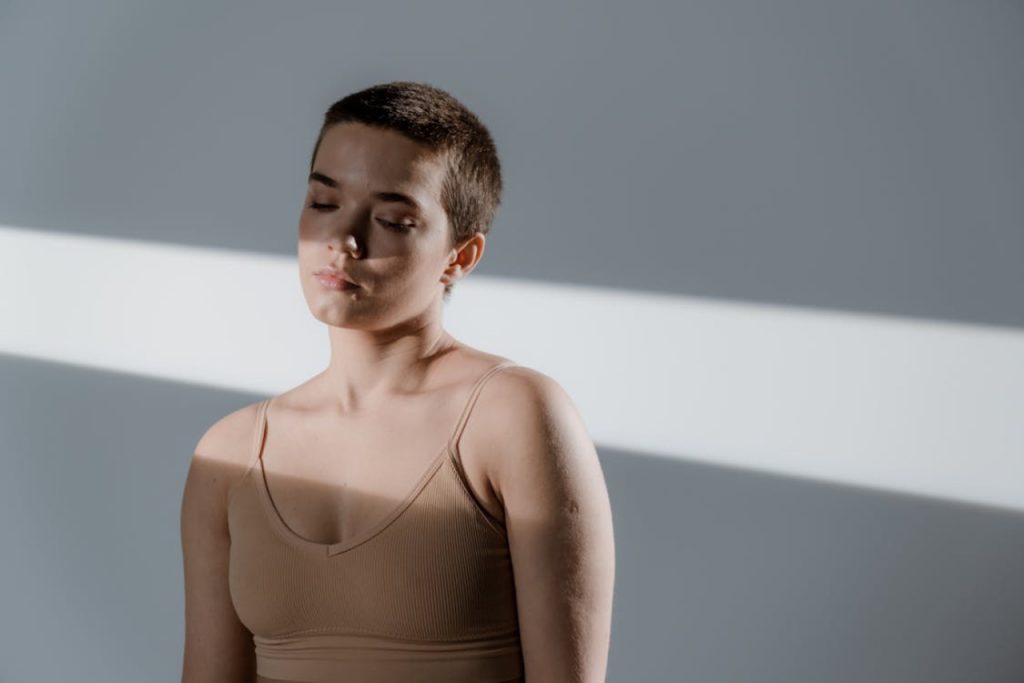
Why More Women Are Embracing Confidence and Comfort Over Beauty Standards
Growing Up With Quiet Insecurities
For many women, adolescence came with unspoken worries about appearance and body image. These insecurities often appeared in subtle ways, from comparing themselves to classmates to hoping their bodies would eventually develop differently over time.
Countless young girls spent years waiting for the moment when they would finally feel aligned with popular beauty standards. Fashion magazines, television, and social expectations reinforced the belief that certain physical traits were necessary to appear feminine or attractive.
The pressure became especially difficult during teenage years, when comparison felt unavoidable. Watching peers develop at different rates often created confusion and self-doubt, particularly for girls who believed their bodies were somehow incomplete or behind.
Comments from friends, family members, and media representations contributed to the feeling that there was a “correct” way for women to look. These ideas shaped how many young people viewed themselves during critical years of emotional development.
As time passes, however, perspectives often begin to change. What once seemed like a major flaw slowly becomes far less important. Many women eventually discover that confidence and comfort matter far more than matching unrealistic standards.
Shifting the Focus From Appearance to Comfort
One of the biggest realizations that often comes with age is that physical comfort plays a major role in overall well-being. Instead of constantly focusing on appearance, many women begin paying attention to how their bodies actually feel during daily life.
Women with smaller chests frequently describe feeling physically lighter and more comfortable throughout the day. Without additional strain on the upper body, routine activities can feel easier and less exhausting.
Tasks such as walking long distances, standing for extended periods, or completing household responsibilities may involve less physical discomfort. The absence of additional chest weight can also reduce feelings of tension after busy days.
This physical ease can become particularly noticeable over time. Rather than focusing on what their bodies supposedly lack, many women begin appreciating the practical advantages they experience in everyday situations.

Reduced Strain on the Neck and Shoulders
Another commonly discussed benefit involves reduced pressure on the upper body. Carrying additional weight on the chest can sometimes contribute to tension in the neck, shoulders, and upper back.
Women with smaller bust sizes often report fewer issues related to muscle strain or physical fatigue in those areas. This can contribute to greater comfort during work, exercise, and long periods of movement.
Maintaining posture may also feel more natural without extra forward weight affecting body balance. Some women find they are less likely to experience stiffness or discomfort after sitting or standing for extended periods.
Although posture and pain vary greatly from person to person, comfort remains an important factor in how individuals experience their own bodies over time.
Clothing Choices Become Simpler
Fashion can also feel less restrictive for many women with smaller chests. Certain clothing styles may fit more easily without requiring extensive adjustments or additional support garments.
Button-up shirts, for example, may lie flatter and avoid pulling across the chest area. This can create a smoother fit and reduce frustration during shopping or dressing for professional settings.
Many women also enjoy greater flexibility with fashion choices. Backless tops, lightweight fabrics, spaghetti straps, and minimalist styles may feel easier to wear comfortably.
Rather than choosing clothing based solely on support needs, some women discover they are free to prioritize personal style and comfort instead.
Freedom From Constant Bra Support
For some women, bras are viewed less as a requirement and more as an optional accessory. Smaller chest sizes may allow greater flexibility when choosing whether or not to wear structured support garments.
Comfortable bralets, soft fabrics, or even going without a bra altogether become practical options in many situations. This freedom can feel liberating for individuals who prefer less restrictive clothing.
Daily comfort often becomes more important than meeting appearance expectations. Over time, many women begin prioritizing how they feel physically rather than focusing entirely on how they are perceived by others.
Exercise and Physical Activity Feel Easier
Physical activity is another area where comfort can influence confidence. Running, yoga, stretching, and sports participation may feel less complicated without concerns about discomfort or excessive movement.
Many women describe feeling more relaxed during workouts because they can focus entirely on the activity itself rather than adjusting clothing or managing discomfort.
This increased comfort can encourage greater participation in exercise and outdoor activities. Feeling physically unrestricted often allows individuals to move more naturally and confidently.
Whether participating in sports or enjoying casual walks, the ability to move comfortably can positively influence overall quality of life.
Long-Term Physical Comfort Matters
Over time, small physical differences can influence how the body feels during daily life. Some women believe reduced strain on the upper body contributes to greater long-term comfort as they age.
Without carrying significant chest weight, certain types of physical tension may feel less noticeable over the years. Many individuals appreciate this benefit more as they grow older and place greater importance on mobility and ease of movement.
The focus gradually shifts away from appearance and toward physical wellness. Instead of viewing the body as something that must fit a narrow standard, many women begin seeing it as something that supports them through everyday life.
Changing Perspectives on Aging
Aging changes every body differently, and perceptions of beauty often evolve with time. Some women feel that smaller breasts maintain their shape more consistently due to reduced effects from gravity.
Others believe smaller chests contribute to a more youthful appearance, although beauty and age perception remain highly subjective.
What becomes more important for many individuals is not necessarily looking younger, but feeling comfortable and confident in their own skin.
As people mature, outside opinions often lose their influence. The need to meet rigid beauty expectations slowly fades, replaced by a stronger sense of self-acceptance.
Summer Clothing and Everyday Simplicity
Warm weather often encourages lighter clothing and more relaxed fashion choices. Women with smaller chests may find it easier to wear swimsuits, tank tops, or lightweight dresses comfortably.
Instead of focusing on support or enhancement, many are able to prioritize comfort during hot weather. Minimalist clothing styles can feel practical as well as fashionable.
This simplicity can reduce stress related to appearance and make everyday dressing feel more effortless.
Small conveniences in daily life may seem minor individually, but together they can significantly influence overall confidence and comfort.
Understanding Confidence Beyond Physical Appearance
As many women grow older, confidence begins to feel less connected to measurements or physical traits. Personal comfort, emotional security, and self-acceptance often become more meaningful than external validation.
The realization gradually emerges that confidence is not created by reaching a specific beauty ideal. Instead, it develops through self-understanding and the ability to feel comfortable without constant comparison.
For years, many individuals believe their bodies need to change before they can fully feel attractive or worthy. Eventually, some discover that the issue was never truly their body at all.
The pressure came from social expectations that defined femininity too narrowly. Once those expectations begin losing their power, self-image can improve dramatically.
Letting Go of Unrealistic Standards
Beauty standards often shape self-perception from a very young age. Society regularly promotes certain body types as more desirable, making it difficult for many people to appreciate their natural appearance.
As adults, however, many women begin questioning those standards more critically. They recognize that much of their insecurity came from external messages rather than personal dissatisfaction.
Comparison slowly becomes less important. Instead of constantly measuring themselves against others, individuals begin focusing on their own comfort and happiness.
This change in mindset can feel freeing. Clothing choices become more personal, physical traits lose their emotional weight, and everyday life feels less centered around appearance.
A Different Understanding of Beauty
Many women eventually realize that beauty is far more diverse than they once believed. There is no single body type that defines femininity, attractiveness, or worth.
Features once viewed as flaws often become accepted as ordinary parts of identity. Instead of trying to correct or hide those traits, people begin embracing them naturally.
The emotional shift can be powerful. Self-acceptance often creates a greater sense of peace than years spent chasing unrealistic ideals.
Feeling comfortable in one’s own body becomes more valuable than trying to fit a narrow definition of perfection.
Embracing Individuality Over Comparison
One of the most meaningful lessons many people learn over time is that bodies are not projects that must constantly be improved. Every individual experiences life differently, and physical diversity is completely natural.
Confidence grows when people stop viewing themselves through the lens of comparison. Instead of focusing on what they supposedly lack, they begin appreciating what allows them to live comfortably and authentically.
That transformation often changes far more than appearance alone. It affects relationships, self-esteem, fashion choices, and emotional well-being.
Rather than striving to become someone else, many women discover peace in simply being themselves.
Finding Peace With Your Own Body
Over time, the insecurities that once felt overwhelming often lose their intensity. Concerns that dominated teenage years begin fading into the background as priorities shift.
The body stops feeling like a problem that must be fixed. Instead, it becomes something familiar, supportive, and deeply personal.
For many women, this realization marks an important emotional turning point. They begin making choices based on comfort, confidence, and personal preference rather than outside expectations.
Ultimately, the greatest transformation is not necessarily physical. It comes from learning to see oneself with greater acceptance, kindness, and understanding.
What remains is a simpler and more honest perspective: a body does not need to meet society’s standards to deserve appreciation. Feeling at ease within yourself can become far more meaningful than trying to achieve an impossible ideal.

