
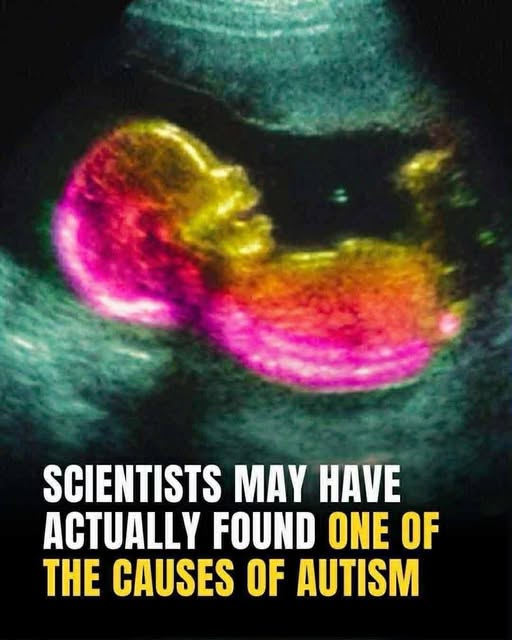
Why Autism Research Requires Nuance Rather Than Simplified Headlines
The Problem With Sensational Claims
Public discussions about autism often become dominated by dramatic headlines promising a “breakthrough,” a “cause,” or even a “cure.” These claims may attract attention quickly, but they frequently oversimplify a deeply complex subject.
The reality is far more intricate than a single explanation or easy answer. Autism Spectrum Disorder, commonly known as ASD, is shaped by a wide range of genetic, biological, and environmental influences that interact during early brain development.
Reducing autism to one supposed cause ignores both the scientific complexity of neurodevelopment and the lived experiences of millions of autistic individuals around the world.
Researchers continue working toward a better understanding of how the brain develops and functions, but modern science increasingly shows that autism cannot be explained through a single factor alone.
Understanding Autism as a Spectrum
Autism Spectrum Disorder is a neurodevelopmental condition that influences how individuals communicate, process information, and experience the world around them.
Because autism exists on a spectrum, every autistic individual has a unique experience. Some people may require substantial support in daily life, while others live independently, pursue careers, raise families, and develop highly specialized skills or interests.
Common characteristics associated with autism can include differences in social communication, sensory sensitivities, repetitive behaviors, and highly focused interests.
However, the way these characteristics appear varies greatly from one person to another. No two autistic individuals are exactly alike.
This diversity is one reason many experts emphasize that autism should not be viewed as a single uniform condition.
Moving Away From the Idea of a “Single Cause”
For many years, public discussions about autism often focused on identifying one direct cause. This approach encouraged oversimplified theories that failed to reflect the complexity of human brain development.
Modern research increasingly supports the understanding that autism develops through the interaction of multiple factors rather than one isolated trigger.
Scientists now study how genetics, biology, prenatal development, and environmental influences may combine in different ways across individuals.
This broader perspective represents a major shift in how autism research is approached.
Instead of searching for one universal explanation, researchers are examining how many different processes may contribute to neurodevelopmental differences.
The Role of Genetic Research
Genetics continues to play an important role in autism research. Scientists have identified numerous genes associated with brain development and neurological functioning.
Recent studies have also explored the role of somatic mutations, sometimes described as “mosaic” mutations. These are genetic changes that occur after conception during the development of the individual.
Unlike inherited genetic traits passed directly from parents, these mutations may arise during early stages of development.
This discovery has helped researchers better understand why autism can appear differently even among individuals within the same family.
It also highlights how brain development is not simply a fixed process copied directly from previous generations, but rather a dynamic and evolving biological process.
Environmental and Biological Factors
In addition to genetics, researchers continue examining environmental and biological influences that may interact with neurodevelopment.
Rather than acting independently, these influences may combine with genetic factors in highly individualized ways.
This interaction-based model reflects the growing scientific understanding that autism develops through multiple overlapping pathways.
Researchers describe this complexity as similar to a system where many different elements influence one another simultaneously rather than one factor acting alone.
The result is a more nuanced and evidence-based approach to understanding autism.
Why Oversimplified Narratives Can Be Harmful
When autism is discussed only through the lens of “curing” or “preventing” it, important aspects of the autistic experience can be overlooked.
Many autistic individuals and advocates emphasize that autism is not simply a problem to eliminate, but a form of neurodiversity that shapes identity, communication, perception, and experience.
Framing autism only as a condition to be “fixed” may contribute to stigma and misunderstanding.
It can also shift attention away from practical efforts that improve quality of life, such as accessible education, healthcare support, communication tools, sensory accommodations, and community inclusion.
A more balanced discussion recognizes both the challenges that some autistic individuals face and the value of respecting neurological differences.
The Importance of Individual Experiences
Because autism exists across a broad spectrum, personal experiences vary significantly.
Some autistic individuals describe strong sensory sensitivities that make certain sounds, lights, or textures overwhelming. Others may experience intense focus on specific interests or subjects.
For some families, autism may involve complex support needs that require ongoing medical, educational, or caregiving assistance.
For others, autism may primarily influence communication styles or social interaction without limiting independence.
This diversity is why many experts caution against one-size-fits-all descriptions of autism.
Understanding autism requires listening to a wide range of voices and experiences rather than assuming a single narrative applies to everyone.
The Shift Toward Support and Empowerment
As scientific understanding evolves, many researchers and advocates emphasize the importance of support-focused approaches rather than cure-centered narratives.
This perspective prioritizes helping autistic individuals live fulfilling and meaningful lives according to their own needs and goals.
Support may include early intervention programs, educational accommodations, speech and occupational therapies, mental health resources, and sensory-friendly environments.
The focus shifts from asking, “How do we eliminate autism?” to asking, “How do we help individuals thrive?”
That change in perspective encourages more compassionate and practical solutions.
The Challenge of Understanding the Human Brain
The human brain remains one of the most complex structures studied by science. Brain development involves countless biological processes occurring simultaneously during prenatal and early childhood stages.
Because of this complexity, researchers rarely expect simple answers to major neurological questions.
Autism research reflects that reality. Progress often happens gradually through years of careful observation, data analysis, and collaboration across multiple scientific disciplines.
While individual studies may provide important insights, no single discovery fully explains the condition.
This is why many scientists caution against exaggerated headlines that claim definitive answers where uncertainty still exists.
The Role of Responsible Public Discussion
Public understanding of autism is strongly influenced by media coverage, online discussions, and social media content.
Unfortunately, simplified or sensationalized stories can spread quickly because they attract attention and emotional reactions.
Claims about “miracle cures” or “final answers” may create unrealistic expectations and contribute to confusion.
Responsible discussion requires acknowledging scientific uncertainty while respecting autistic individuals and their experiences.
Nuanced conversations may not generate the same immediate reaction as dramatic headlines, but they provide a more accurate and respectful understanding of the subject.
Why Neurodiversity Matters
The concept of neurodiversity recognizes that differences in brain functioning are a natural part of human variation.
This perspective does not deny that some autistic individuals face serious challenges. Instead, it emphasizes that neurological differences should not automatically be viewed only through a negative lens.
Many autistic individuals contribute valuable perspectives, creativity, analytical thinking, and problem-solving abilities across numerous fields and communities.
Recognizing neurodiversity encourages inclusion, accommodation, and understanding rather than fear or stigma.
It also supports the idea that society benefits from a wider range of ways of thinking and experiencing the world.
The Future of Autism Research
Future research will likely continue exploring how genetics, biology, environment, and early development interact in complex ways.
Advances in technology and neuroscience may provide deeper insight into brain development and neurological diversity.
However, experts generally agree that autism cannot be reduced to a single explanation or solved through one universal approach.
Meaningful progress will likely come from continued scientific rigor combined with greater understanding of the lived experiences of autistic individuals and families.
Research, healthcare, education, and public policy all play roles in building more supportive environments.
Moving Beyond Clickbait and Fear
One of the biggest challenges in public conversations about autism is separating evidence-based information from emotionally charged speculation.
Fear-driven narratives often focus on blame or simplistic explanations, while more responsible discussions acknowledge uncertainty and complexity.
Understanding autism requires patience and openness to nuance rather than quick conclusions.
Scientific progress rarely happens through dramatic single moments. More often, it develops gradually through years of careful study and collaboration.
By resisting sensationalism, society can create more informed discussions about autism and neurodevelopment.
Conclusion
Autism Spectrum Disorder is a complex neurodevelopmental condition shaped by a wide range of genetic, biological, and environmental influences.
Modern research increasingly supports the understanding that there is no single cause, explanation, or universal experience of autism.
Oversimplified headlines and cure-focused narratives often fail to reflect the diversity and complexity of autistic lives.
A more responsible and compassionate approach recognizes autism as part of human neurodiversity while also supporting individuals who face significant challenges.
As science continues to advance, the focus is gradually shifting toward understanding, inclusion, and practical support rather than simplistic explanations or sensational claims.
Ultimately, meaningful progress comes not from reducing autism to a single narrative, but from respecting the complexity of the human brain and the diverse experiences of the people who live with autism every day.

