
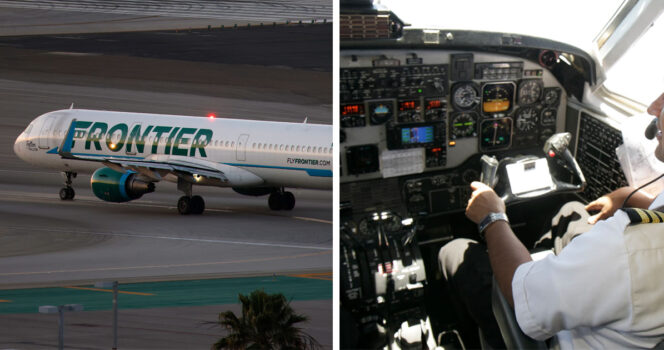
Fatal Incident at Denver International Airport During Frontier Airlines Takeoff
Tragedy on the Runway During Scheduled Departure
A fatal accident occurred at Denver International Airport on Friday when a man lost his life after being struck by a Frontier Airlines aircraft during its takeoff sequence. The event unfolded as Frontier Airlines Flight 4345 was preparing to depart for Los Angeles International Airport, turning an ordinary departure into a major emergency response operation.
The incident took place on an active runway, a highly controlled area of the airport where strict safety procedures are typically enforced to prevent unauthorized access. Despite these protections, the situation escalated rapidly when the individual entered the runway area at the same time the aircraft was accelerating for departure.
The collision resulted in immediate consequences for both the aircraft and those on board. What began as a routine flight preparation quickly shifted into an emergency evacuation scenario involving passengers, flight crew, and airport emergency services.
Frontier Airlines Confirms the Incident
Frontier Airlines issued a statement confirming the event and acknowledging the circumstances surrounding the takeoff sequence. The airline described the moment as the aircraft was departing from Denver International Airport en route to Los Angeles International Airport.
“As flight 4345 was departing this evening from Denver International Airport to Los Angeles International Airport, the aircraft reportedly struck a pedestrian on the runway during takeoff,”
The confirmation marked the first official acknowledgment from the airline regarding the nature of the accident. The statement reflected the seriousness of the situation as investigators and emergency personnel began working to assess what had occurred on the runway.
Emergency Communication From the Cockpit
Shortly after the impact, communication between the flight crew and air traffic control revealed the severity of the emergency developing onboard the aircraft. The pilot immediately reported an urgent situation while the plane was still on the runway.
The pilot stated: “We’re stopping on the runway,”
Moments later, further details were relayed from the cockpit as the crew assessed damage and potential risk to passengers and the aircraft itself.
The pilot continued: “We just hit somebody. We have an engine fire.”
As the situation escalated, the crew prepared for an immediate evacuation. Smoke and fire concerns required swift decision-making to ensure the safety of everyone onboard. The urgency of the communication reflected the critical condition of the aircraft at that moment.
The pilot also reported: “We’ve got smoke on the aircraft, we’re gonna evacuate on the runway.”
At the time of the incident, the aircraft was carrying 231 individuals, including passengers and crew members. The presence of such a large number of people heightened the urgency of evacuation procedures and emergency coordination with airport responders.
Immediate Airport and Emergency Response
Following the impact and cockpit emergency alerts, airport emergency systems were activated. Aircraft evacuation procedures were initiated directly on the runway due to the presence of smoke and engine fire concerns. Emergency slides were deployed to facilitate rapid evacuation of passengers away from the aircraft.
Passengers were guided off the aircraft under urgent conditions as airport emergency crews arrived at the scene. The priority was to ensure all individuals on board were moved to a safe distance from the aircraft while fire and rescue operations were underway.
More than 200 passengers were successfully evacuated from the aircraft using emergency slides. After leaving the plane, travelers were transported back to the terminal by bus as the runway remained an active emergency zone.
The evacuation process required coordination between flight crew, ground personnel, and emergency responders. The rapid deployment of safety protocols helped prevent further harm during the unfolding incident.
Fire Containment and Aircraft Condition
Following the evacuation, the Denver Fire Department responded to the scene and worked to extinguish the fire that had developed in connection with the aircraft’s engine. Fire suppression efforts were carried out on the runway as part of the emergency containment response.
The aircraft was ultimately secured after the situation was brought under control. Due to the severity of the incident and the condition of the aircraft, the scheduled flight was canceled. Arrangements were later made for a rescheduled departure the following morning.
The presence of smoke and engine fire played a critical role in the immediate decision to evacuate. The condition of the aircraft required thorough assessment before any further operations could resume.
Statement From Airport Leadership
Leadership at Denver International Airport addressed the incident in an official statement following the emergency response. The statement emphasized both the seriousness of the event and the ongoing nature of the investigation.
“As this is an active investigation with numerous other agencies involved, it is going to take some time as we are still confirming what information we can share at this time.
“This was a horrible and preventable tragedy that has affected many due to the actions of one person who apparently trespassed at an airport and lost their life as a result.”
The statement highlighted the impact of the incident on passengers, crew members, and emergency personnel involved in the response. It also referenced the circumstances surrounding unauthorized access to a restricted airport area.
Passenger Experience and Evacuation Conditions
Passengers onboard experienced a sudden transition from routine departure procedures to emergency evacuation conditions. The presence of smoke and urgent instructions from the flight crew required immediate compliance with evacuation protocols.
Emergency slides provided the primary means of exiting the aircraft, allowing passengers to reach the runway surface quickly. From there, airport personnel guided individuals away from the aircraft to safer locations.
After evacuation, passengers were transported by bus back to the terminal, where they awaited further instructions and support. The disruption resulted in significant emotional and logistical impact on those traveling that day.
The aircraft remained on the runway during emergency operations, with responders focusing on fire suppression and securing the area before further assessment could take place.
Investigation and Ongoing Response
The incident triggered a formal investigation involving multiple agencies responsible for airport safety, aviation operations, and emergency response coordination. The focus of the investigation includes how the individual accessed the runway area and the sequence of events leading to the collision.
Authorities are also reviewing airport security protocols and operational procedures to better understand how the situation developed on an active runway during a scheduled departure.
The presence of a large passenger count onboard, combined with the emergency nature of the evacuation, has made the incident a significant focus for aviation safety review. The coordination between flight crew, air traffic control, and emergency responders is also under examination as part of the ongoing process.
Aftermath and Operational Impact
In the aftermath of the incident, normal airport operations resumed following the clearance of the runway and stabilization of the situation. However, the effects of the event continued to influence flight schedules and passenger travel plans.
The cancellation of the affected flight required rescheduling and reorganization for passengers originally booked on Frontier Flight 4345. The emotional and logistical disruption extended beyond the immediate emergency response period.
The airport environment, typically defined by structured timing and controlled movement, was significantly impacted by the sudden shift into emergency mode. Ground operations, emergency crews, and airline personnel all played roles in restoring operational stability.
Conclusion
The fatal runway incident at Denver International Airport represents a deeply serious event involving an aircraft during takeoff, an emergency evacuation, and a large-scale response effort. The sequence of events unfolded rapidly, beginning with a runway collision and escalating into fire response and passenger evacuation.
As investigations continue, the focus remains on understanding how the situation occurred and how similar risks can be addressed in the future. The event has left a lasting impact on passengers, crew members, and emergency responders involved in the response.
The combination of emergency communication, rapid evacuation, and fire containment efforts highlights the complexity of aviation incidents that occur in high-security airport environments. The aftermath continues to be reviewed as authorities work to establish a full understanding of the tragedy.

