
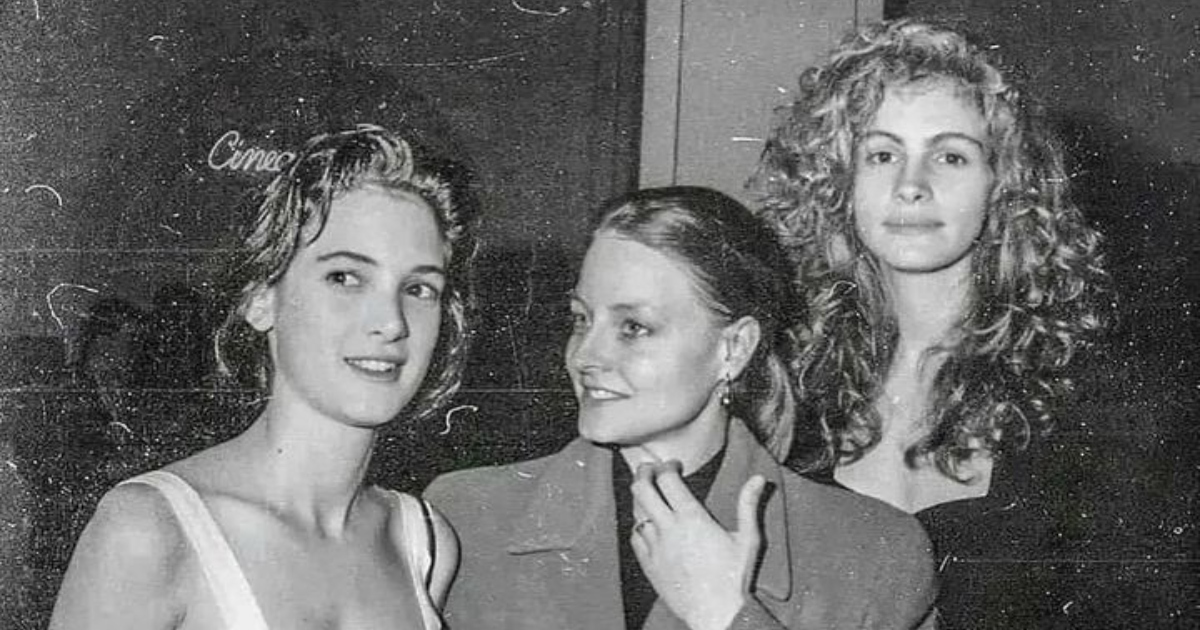
1989 Hollywood Moment: Winona Ryder, Jodie Foster, and Julia Roberts in a Defining Era of Rising Stardom
The Photograph That Captured a Turning Point in Film History
In 1989, a single photograph brought together three young actresses whose careers would go on to shape the landscape of Hollywood for decades. At that moment, Winona Ryder, Jodie Foster, and Julia Roberts stood at different stages of artistic development, yet each carried a presence that signaled something larger than emerging fame. The image has since come to represent more than a casual meeting of talent; it reflects a transitional period in American cinema when a new generation of performers was beginning to redefine screen storytelling.
The significance of the photograph lies not only in who appears in it, but in what each actress represented at that exact point in time. The late 1980s were marked by shifting audience tastes, evolving character archetypes, and a growing appetite for more complex emotional performances. Against this backdrop, Ryder, Foster, and Roberts each embodied a different direction that Hollywood performance could take—rebellion, intellectual depth, and charismatic warmth.
Looking back, the 1989 image functions like a cultural snapshot, freezing a rare intersection where three future icons briefly shared the same frame before their careers expanded in distinct and influential directions. Each would soon become inseparable from defining roles that helped shape modern film identity.
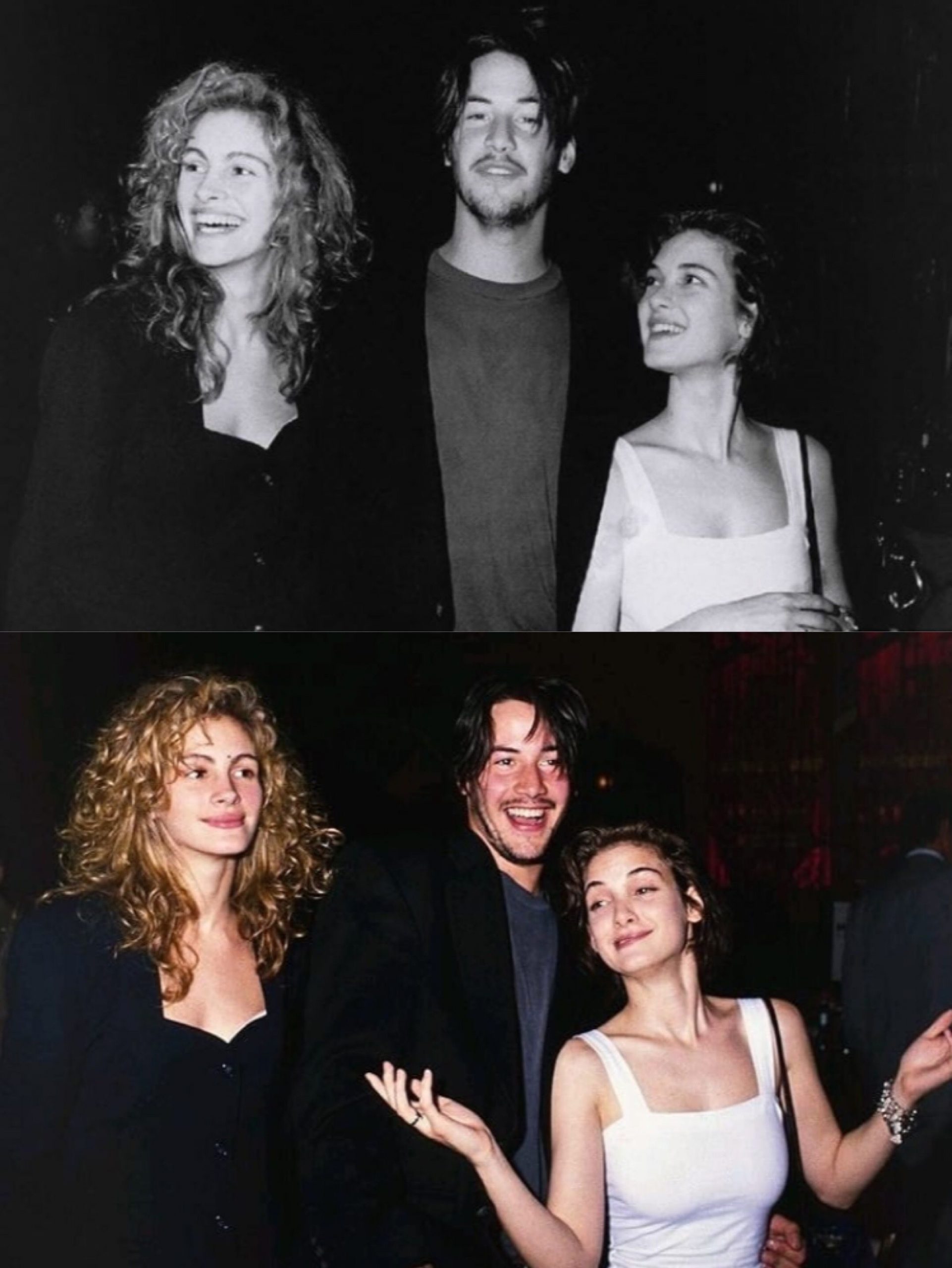
Winona Ryder and the Rise of a New Generation of Screen Identity
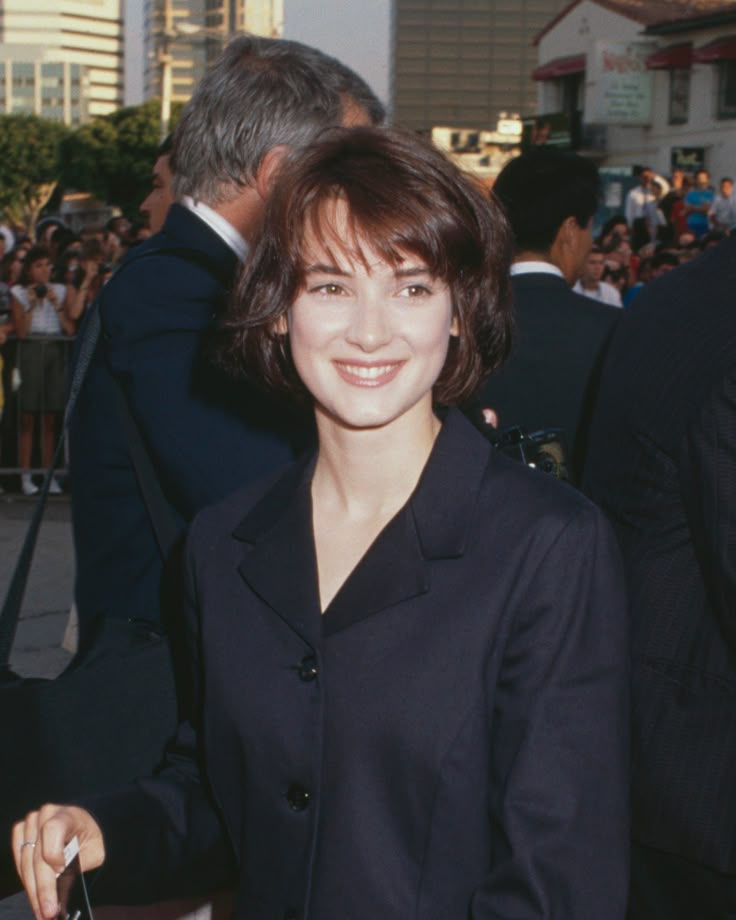
Winona Ryder, in 1989, was rapidly becoming one of the most distinctive young performers of her time. Already recognized for standout appearances in films such as Beetlejuice and Heathers, she had established herself as an actress who brought emotional complexity and unconventional charm to her characters. Her screen presence was marked by a blend of vulnerability and sharp-edged intelligence that resonated strongly with younger audiences.
At a time when Hollywood often leaned toward polished and traditional portrayals of youth, Ryder offered something different. She frequently portrayed characters who felt emotionally raw yet deeply perceptive, creating a connection with viewers who saw reflections of outsider experiences in her roles. This quality helped her develop a reputation as a voice for characters who existed on the fringes of conventional storytelling.
By 1989, Ryder’s career trajectory was clearly ascending. She was not simply participating in successful projects; she was shaping a new aesthetic in film performance. Her style, both on-screen and off, contributed to a growing cultural identity that blended introspection with rebellion. As her visibility increased, so did her influence, positioning her as a defining figure for a generation of film audiences seeking authenticity and emotional nuance.
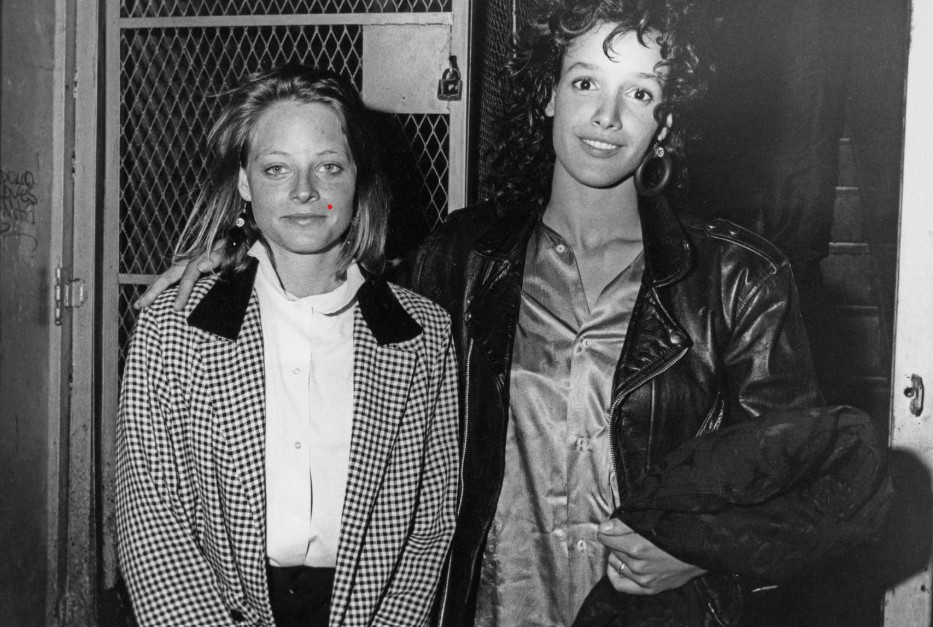
Jodie Foster and the Precision of an Established Performer
Jodie Foster entered 1989 from a very different position. Already an established figure in the industry, she carried the experience of a long career that began in childhood and evolved into one of the most respected acting profiles in Hollywood. Her reputation was built on discipline, intellectual depth, and an ability to bring extraordinary intensity to complex characters.
By this point, Foster had already achieved one of the most significant milestones in film performance, having earned an Academy Award-winning role for The Accused. This accomplishment marked a pivotal moment in her transition from child actor to fully realized dramatic lead. It also reinforced her status as a performer capable of carrying emotionally demanding narratives with precision and power.
In 1989, Foster was widely recognized not only for her talent but also for her private and controlled approach to public life. She maintained a strong focus on her craft, selecting roles that reflected psychological depth and narrative seriousness. Within a few years, her performance in The Silence of the Lambs would further define her legacy and secure her place among the most influential actors of her generation.
Her presence in the photograph alongside younger rising stars underscores the breadth of her career stage at that time. While others were just beginning to define their identities, Foster had already established a firm artistic foundation that would continue to shape her future work.
Julia Roberts and the Emergence of a New Screen Charisma
Julia Roberts represented a different kind of arrival in Hollywood during 1989. At the time, she was still in the early stages of her career, beginning to attract attention for performances that highlighted her natural charm and emotional accessibility. Her early roles in Mystic Pizza and Steel Magnolias demonstrated a rare combination of warmth, humor, and sincerity that immediately connected with audiences.
Unlike more restrained or unconventional screen personas, Roberts brought a sense of openness that made her characters instantly engaging. Her expressive presence and distinctive smile became defining features of her screen identity, contributing to her rapid rise in visibility. Even at this early stage, she exhibited the kind of on-screen magnetism that suggested long-term stardom.
By 1990, her trajectory would shift dramatically with the release of Pretty Woman, a role that transformed her into one of the most recognized and beloved actresses in the world. However, in 1989, she was still in the formative phase of that ascent, building a foundation of performances that would soon resonate globally.
Her inclusion in the photograph alongside Ryder and Foster highlights the beginning of a career that would quickly expand into widespread cultural influence, marking her as one of the defining figures of her generation.
Three Distinct Artistic Paths Converging in One Frame
What makes the 1989 photograph particularly striking is the contrast between the three actresses and the individuality each brought to the evolving film landscape. Winona Ryder represented the emotionally complex outsider, a figure who embodied introspection and subtle rebellion. Jodie Foster stood as the disciplined and intellectually driven performer, already shaped by years of rigorous experience and critical acclaim. Julia Roberts, meanwhile, introduced a new form of cinematic warmth, characterized by accessibility and emotional immediacy.
These differences were not contradictions but complementary expressions of what Hollywood performance was becoming. The late 1980s and early 1990s marked a period in which character-driven storytelling gained increasing prominence, allowing actors to explore deeper emotional range and psychological nuance. Each of the three actresses contributed to this shift in distinct ways.
The photograph therefore becomes more than a casual meeting; it reflects a convergence of artistic directions that would soon influence mainstream cinema. Each actress would go on to define roles that expanded audience expectations of female performance, reshaping how characters were written and received in popular film culture.
A Lasting Cultural Impression of an Unrepeatable Moment
Over time, the image of Winona Ryder, Jodie Foster, and Julia Roberts together has come to symbolize a rare alignment in entertainment history. It captures a moment when three separate trajectories briefly intersected before diverging into decades of individual achievement. Each actress moved forward to build a career defined by signature roles, critical recognition, and enduring audience impact.
Ryder continued to develop her identity as a performer associated with emotional depth and unconventional storytelling. Foster extended her legacy through powerful dramatic work that reinforced her status as one of the most respected figures in film. Roberts rose to international prominence, becoming one of the most recognizable and influential actresses of her era.
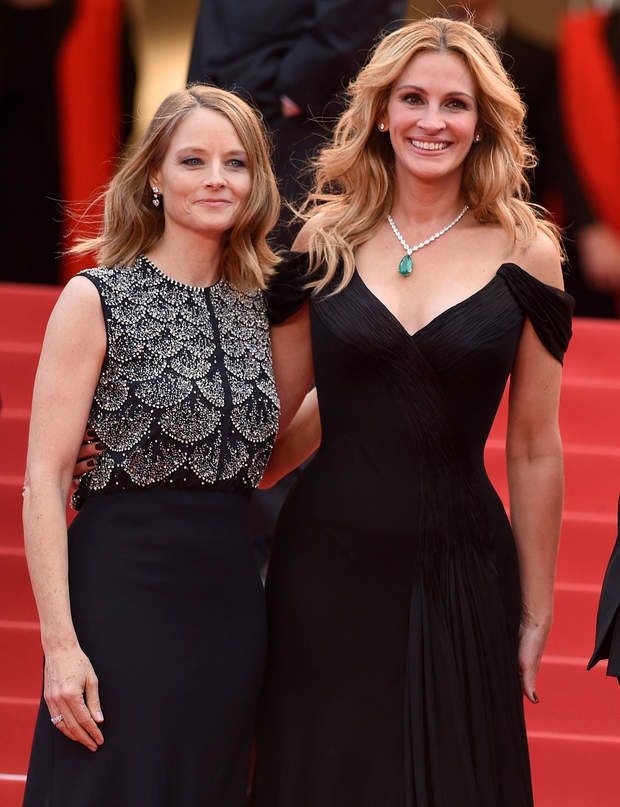
In hindsight, the 1989 photograph stands as a visual record of transition within Hollywood itself. It reflects a moment when the industry was poised between eras, and when new forms of performance were beginning to take shape. The presence of these three actresses together underscores how talent, timing, and opportunity can align briefly before each element moves in its own direction.
Today, the image remains a reminder of how cultural history is often captured in fleeting moments—moments that, while brief, come to represent entire generations of artistic evolution.

