
Your Shower Habits May Reveal More About You Than You Think
The Private Space Where Behavior Becomes Honest
Most people rarely think twice about what they do in the shower. It is a routine part of daily life, something repeated almost automatically without much reflection. Yet within this small, private space, behavior often becomes more natural and less influenced by outside expectations.
For many individuals, the shower is one of the only moments in the day where there are no notifications, no conversations, and no demands from the outside world. The door closes, and for a brief period, everything else fades away.
Because of that isolation, everyday habits formed in the shower can quietly reflect deeper aspects of personality. These patterns are not dramatic or obvious, but they often reveal how people deal with stress, comfort, control, and emotional processing.
While no single habit can define a person completely, repeated behaviors in private moments can offer subtle clues about inner preferences and emotional tendencies that are not always visible in public life.
How Daily Rituals Reflect Personality
Routine behaviors are often created without conscious thought. Over time, they become automatic and comforting, shaping a sense of structure in everyday life.
Some people approach the shower as a task that should be completed efficiently. Others treat it as a moment of calm separation from the rest of the day. These differences can reflect broader personality patterns.
A person who prefers structure may bring a sense of order even into private routines. Someone more relaxed may allow the experience to unfold slowly without strict timing or focus.
Even small decisions, such as how long someone stays in the shower or how they use that time, can reflect deeper preferences related to control, relaxation, or mental escape.
These habits often develop gradually and remain consistent because they fulfill emotional or psychological needs, even if the individual is not consciously aware of them.
The Quietly Controversial Shower Habit
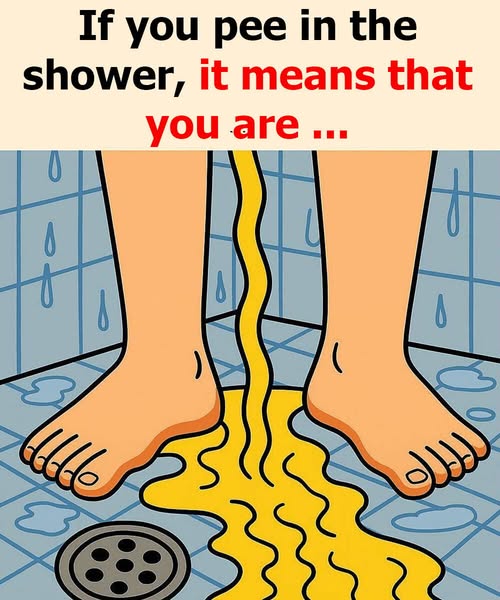
One of the most commonly debated private habits involves behavior that many people hesitate to openly admit. Some individuals view it as a practical choice, while others strongly reject it based on personal boundaries.
Those who consider it acceptable often justify it through logic and efficiency. For them, it is simply a convenient and harmless action that fits into a practical mindset.
On the other hand, some people draw a clear distinction between what they consider acceptable and unacceptable within personal hygiene routines. They prefer firm internal boundaries and structured thinking about cleanliness and behavior.
This contrast highlights how two people can respond differently to the same situation based on underlying values. One prioritizes convenience and practicality, while the other emphasizes personal standards and internal rules.
Even when the action itself is minor, the reactions to it can reveal how individuals define order, discipline, and comfort in their daily lives.
Why Some People Spend Longer in the Shower
Extended time in the shower is often linked to emotional unwinding. For many, it is not just about physical cleanliness but about creating a temporary escape from stress and responsibility.
The combination of warmth, running water, and isolation can create a calming environment that allows the mind to slow down. In this space, people often feel less pressure and more emotional ease.
Those who prefer longer showers may be more introspective or sensitive to stress. The quiet environment offers an opportunity to mentally reset, process thoughts, or simply disconnect from external demands.
In some cases, it becomes a form of emotional recovery. A long shower provides a pause in a busy schedule, creating a sense of personal space that may be difficult to find elsewhere.
For these individuals, the shower is not just a routine step in the day but a small retreat where the mind and body can briefly relax without interruption.
The Efficiency of the Quick Shower Personality
In contrast, some people treat the shower as a short and functional part of their daily routine. The goal is efficiency rather than relaxation.
These individuals often prefer movement, structure, and productivity. They may feel more comfortable when they are actively engaged in tasks or working through responsibilities.
For them, the shower is simply one step in a larger sequence of daily actions. It serves its purpose quickly before attention shifts back to external priorities.
This approach does not necessarily indicate emotional distance. Many people who take short showers simply recharge through activity and engagement rather than solitude.
They may feel most balanced when moving between tasks and maintaining momentum throughout the day rather than pausing for extended quiet reflection.
The Private World of Shower Singing
For some, the bathroom becomes an unexpected stage. Singing in the shower is a common habit that often reflects emotional release and freedom of expression.
The enclosed space and natural acoustics create an environment where voices sound fuller and more expressive, encouraging people to sing without hesitation.
In this setting, there is typically no audience or judgment, which allows individuals to express themselves more openly than they might in public.
People who sing in the shower often enjoy creative expression and emotional release. Even those who are reserved in everyday settings may become more animated when they feel completely unobserved.
The habit can also serve as a form of emotional regulation. Music and vocal expression often help process mood and reduce stress, making the shower a natural place for spontaneous singing.
In many cases, the experience is not about performance at all, but about feeling free for a brief moment.
When the Mind Never Fully Stops
For many individuals, the shower becomes a mental space as much as a physical one. Thoughts often continue flowing without interruption while the body is focused on routine actions.
Some people use this time to mentally rehearse conversations, replay past events, or plan upcoming responsibilities. Others reflect on personal experiences or explore ideas that arise naturally in quiet moments.
These patterns may indicate a highly active mind that remains engaged even during rest.
Creative thinking often appears in these environments because distractions are reduced. Without external input, the mind has more space to form new connections and ideas.
However, constant thinking during these moments can also reflect ongoing stress or difficulty fully relaxing. The physical environment may be calm, but the internal mental activity continues without pause.
For some individuals, silence does not feel empty. It feels full of thoughts that naturally rise to the surface when there are no external interruptions.
The Shower as a Form of Emotional Escape
The shower often provides temporary separation from external pressures. Within that enclosed space, expectations and responsibilities feel briefly distant.
This sense of isolation can be emotionally comforting, especially during periods of stress, fatigue, or overwhelm.
The sound of running water helps reduce outside stimulation, creating a calm atmosphere that feels removed from daily demands.
For many people, the shower becomes one of the only moments in the day where they feel entirely alone with their thoughts.
That solitude can serve as a form of emotional reset, allowing individuals to temporarily step away from the intensity of daily life.
Why Private Habits Draw So Much Curiosity
Human beings are naturally interested in behaviors that occur away from public view. There is a sense that private actions reveal a more unfiltered version of personality.
In public settings, behavior is often influenced by expectations, social norms, and awareness of how others may perceive us. In private, those filters are reduced.
As a result, habits formed in solitude can feel more genuine, even if they are small or routine in nature.
This curiosity is part of why everyday behaviors, especially those involving private spaces, often attract attention and discussion.
People are drawn to understanding what others do when they believe no one is watching, as it feels closer to authentic personality expression.
The Real Meaning Behind Shower Habits
No single shower habit can fully define who a person is. Human behavior is shaped by a wide range of emotional, psychological, and situational factors.
However, repeated routines can offer small insights into how individuals manage stress, seek comfort, and structure their private time.
Some people value efficiency and structure. Others prioritize relaxation and emotional calm. Some use the time for creativity or reflection, while others simply use it as a brief pause in a busy day.
Each pattern reflects a different way of interacting with everyday life and personal space.
Ultimately, the shower represents a rare environment where people are alone, unobserved, and free from external expectations.
In that quiet space, behavior becomes less about performance and more about instinct, comfort, and personal routine.
And while these habits may seem small or ordinary, they often reveal how people truly feel when the world is temporarily turned off and only the self remains.

