
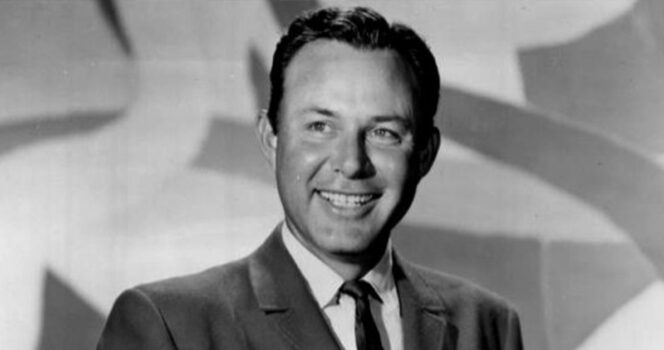
How “He’ll Have to Go” Turned Jim Reeves Into One of Country Music’s Most Influential Voices
A Song That Changed Country Music Forever
In 1960, Jim Reeves released a song that would become one of the defining recordings of his career and a landmark moment for country music.
“He’ll Have to Go” was more than just another successful single. The song transformed Reeves into an international star and helped reshape the sound of country music for mainstream audiences.
With smooth vocals, emotional storytelling, and polished production, the track crossed genre boundaries and reached listeners far beyond traditional country audiences.
The success of the song established Reeves as one of the most recognizable voices of his generation and helped create a style that would influence artists for decades.

The Rise of “Gentleman Jim”
Long before “He’ll Have to Go” became a global success, Jim Reeves had already built a strong reputation in country music.
Born in Texas, Reeves originally worked as a radio announcer before fully committing himself to a music career.
His calm personality and refined appearance earned him the nickname “Gentleman Jim,” a title that matched both his public image and musical style.
Unlike many performers of the era who leaned heavily into rougher country traditions, Reeves developed a smoother and more sophisticated sound.
His deep baritone voice became his signature, setting him apart from other artists of the time.
By the end of the 1950s, he was already an established country singer, but “He’ll Have to Go” elevated his career to an entirely different level.
The Inspiration Behind the Song
The story behind “He’ll Have to Go” began with songwriters Joe and Audrey Allison.
The idea reportedly came from a real-life moment Joe Allison witnessed in a bar.
He overheard a man speaking on the telephone with a woman, asking her to move closer to the receiver while trying desperately to repair their relationship.
That emotional exchange inspired the song’s unforgettable opening line: “Put your sweet lips a little closer to the phone.”
The lyric immediately captured feelings of longing, vulnerability, and heartbreak.
Its simplicity became one of the song’s greatest strengths, allowing listeners to connect emotionally with the story being told.
The track centered on quiet desperation rather than dramatic performance, giving it a deeply personal quality.
A Recording Built Around Emotion
When Jim Reeves entered the studio to record the song, he approached it with restraint and sincerity.
Rather than relying on heavy instrumentation or exaggerated emotion, the recording focused primarily on the warmth and clarity of his voice.
Producer Chet Atkins played a major role in shaping the sound.
The arrangement remained soft and minimal, allowing Reeves’ vocal delivery to stay at the center of the performance.
The result was intimate and emotionally direct.
Listeners felt as though they were hearing a private conversation rather than a traditional commercial recording.
That emotional honesty helped the song stand out immediately after its release.
Success on the Charts
“He’ll Have to Go” quickly became one of the biggest songs of Reeves’ career.
It climbed to the top of the Billboard Country Chart and also found massive success on the Pop Chart, where it reached the number two position.
The crossover achievement was especially important at the time because it demonstrated that country music could appeal to mainstream audiences without losing its emotional identity.
The song attracted listeners who may not have traditionally followed country music, helping expand the genre’s popularity across the United States and internationally.
Its success marked a major turning point not only for Jim Reeves personally, but for the broader direction of Nashville music production.
The Nashville Sound Reaches the Mainstream
One of the most lasting effects of “He’ll Have to Go” was its role in popularizing what became known as the Nashville Sound.
This musical approach emphasized smoother vocals, orchestral arrangements, and polished production designed to make country music more accessible to mainstream listeners.
Jim Reeves became one of the leading voices associated with that movement.
His calm delivery and sophisticated style helped redefine public perceptions of country music during the early 1960s.
Instead of relying solely on traditional rural themes and rough instrumentation, the Nashville Sound introduced elegance and crossover appeal.
That evolution allowed country artists to reach broader audiences while maintaining emotional storytelling at the heart of the genre.
A Song That Connected With Listeners Everywhere
The emotional themes inside “He’ll Have to Go” gave the song universal appeal.
The story of heartbreak, regret, and longing resonated with listeners regardless of age or background.
Jim Reeves’ performance balanced vulnerability with quiet confidence, making the song feel sincere rather than overly dramatic.
His voice carried the emotional weight naturally, without needing excessive vocal flourishes.
That understated approach became one of the reasons the recording endured long after its original release.
For many listeners, the song represented a perfect example of emotional storytelling through music.
International Fame and Lasting Influence
Following the success of “He’ll Have to Go,” Jim Reeves became an international star.
He toured extensively and introduced country music to audiences around the world.
His polished image and smooth sound made him especially successful outside the United States, where he helped expand the global reach of the genre.
Reeves was no longer viewed simply as a country singer. He became an ambassador for Nashville music and a symbol of country’s evolving identity.
The influence of the song spread throughout the music industry.
Artists including Elvis Presley and Ry Cooder later recorded their own versions of “He’ll Have to Go,” demonstrating the song’s broad cultural impact.
Even with numerous covers over the years, Reeves’ original version remained the definitive recording for many fans.
A Tragic End to a Remarkable Career
Jim Reeves’ life and career were tragically cut short in 1964.
At just 40 years old, he died in a plane crash, shocking fans and the music world.
His sudden death created a major loss within country music, particularly because his influence continued to grow during the early 1960s.
Despite his passing, Reeves’ music remained widely played on radio stations and jukeboxes for years afterward.
“He’ll Have to Go” became one of the songs most closely associated with his legacy.
His contributions to country music were later formally recognized through his posthumous induction into the Country Music Hall of Fame.
A Legacy That Continues Generations Later
More than six decades after its release, “He’ll Have to Go” continues to be recognized as one of the most beloved songs in country music history.
The track has appeared in films, television programs, and commercials, introducing new generations to Jim Reeves’ music.
Its timeless appeal comes from its emotional simplicity and memorable melody.
The song remains a powerful example of how subtle performance and honest storytelling can leave a lasting impact.
Jim Reeves’ approach to blending country and pop music also influenced many later artists.
Performers such as Shania Twain, Taylor Swift, and Keith Urban benefited from the crossover path Reeves helped establish decades earlier.
His success proved that country music could evolve and reach wider audiences while preserving its emotional core.
A Song That Defined an Era
“He’ll Have to Go” was not simply a chart-topping single. It represented a major shift in the direction of country music.
Through Jim Reeves’ smooth voice and refined style, the song introduced millions of listeners to a new version of the genre.
Its influence extended far beyond its original release, shaping production styles, inspiring artists, and expanding country music’s place in mainstream culture.
Even today, the recording remains one of the clearest examples of how music can connect deeply with listeners through honesty, restraint, and emotion.
Jim Reeves left behind a catalog of memorable performances, but “He’ll Have to Go” remains the song most closely tied to his enduring legacy.
It continues to stand as a reminder of the lasting power of a simple melody delivered with sincerity and heart.

