
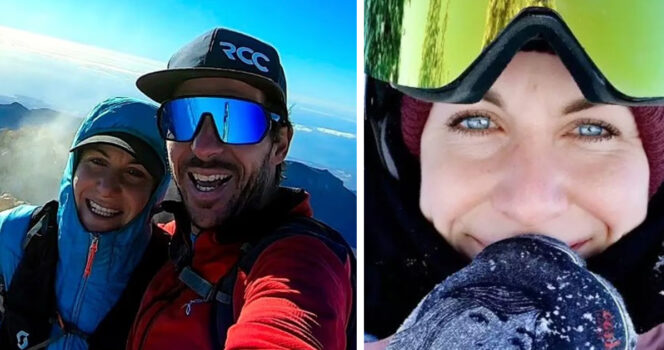
A mountain climbing tragedy in Austria has continued to draw international attention after details emerged about the final moments shared between a climber and his girlfriend during a fatal expedition on Grossglockner, the country’s highest mountain.
The case centers around Thomas Plamberger, an experienced mountaineer who was later convicted of gross negligent manslaughter following the death of his partner, Kerstin Gurtner, during a climb in January 2025.
Grossglockner, which stands at approximately 12,460 feet, is considered one of Austria’s most challenging peaks during winter conditions. The mountain is known for rapidly changing weather, freezing temperatures, and dangerous winds, particularly during nighttime ascents.
According to reports, Plamberger, 39, and Gurtner, 33, began their climb on January 19, 2025. The pair reportedly came within roughly 150 feet of the summit before conditions became critical late in the evening.
At around 9:50 p.m., Gurtner collapsed from exhaustion as temperatures reportedly dropped to around minus 20 degrees Celsius. Investigators later stated that she was unable to continue climbing due to the severe weather and physical strain.
Gurtner, who was from Salzburg, often shared her love of nature and mountain landscapes online. Friends and family described her as someone deeply passionate about the outdoors and alpine hiking.
Authorities later stated that the couple became stranded during the night. Prosecutors argued that Plamberger failed to respond appropriately to the emergency situation. According to reports presented in court, he did not immediately call emergency services or signal rescue teams when helicopters were reportedly searching nearby.
Investigators also claimed that after eventually contacting Alpine police during the early morning hours, Plamberger later descended the mountain alone to seek help while leaving Gurtner near the summit area.
Rescue teams faced severe weather conditions, including strong winds, which delayed efforts to reach her location. By the time rescuers arrived the following morning, Gurtner had died from exposure to the freezing conditions.
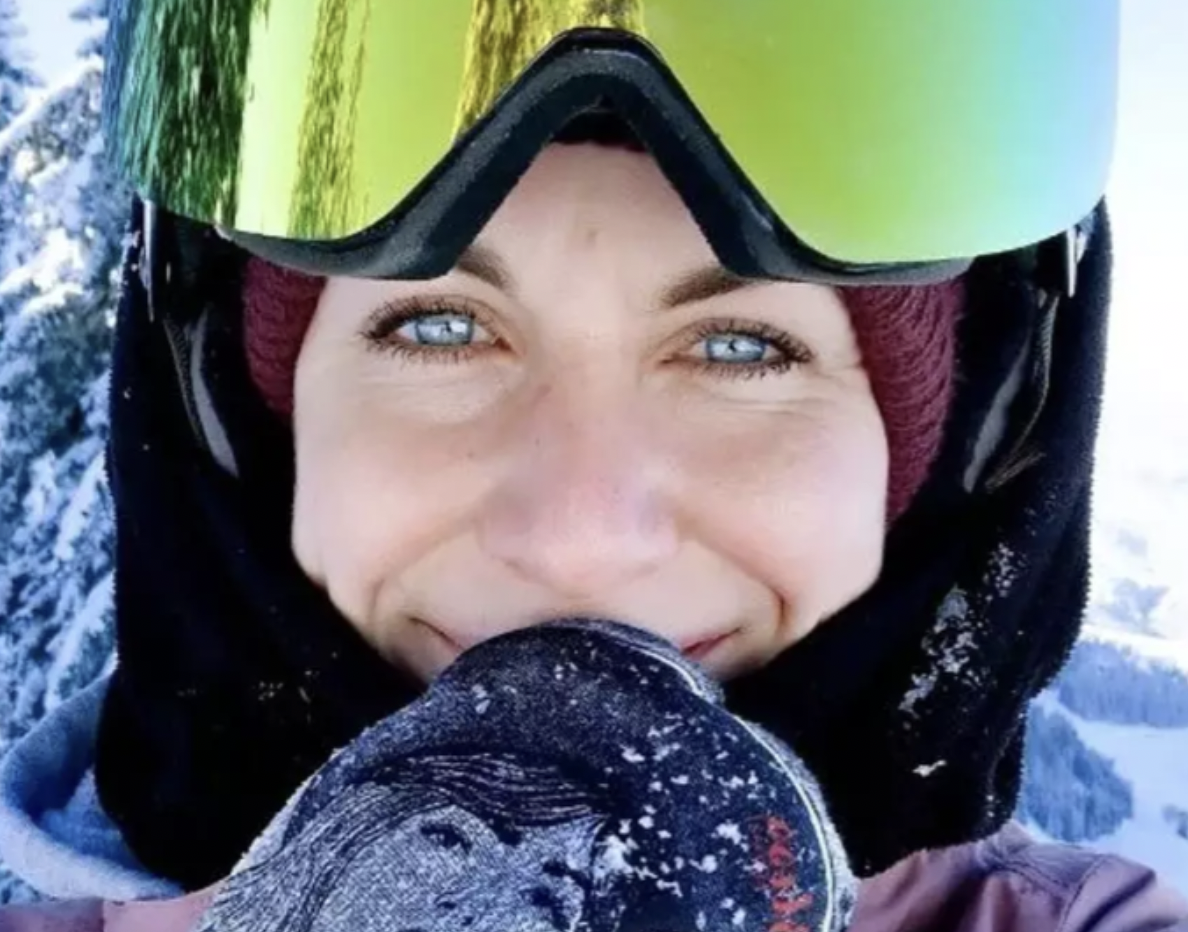
The case became widely discussed in Austria after prosecutors accused Plamberger of failing to take reasonable steps that may have improved her chances of survival. Court proceedings focused heavily on his decisions during the critical hours after Gurtner became unable to continue climbing.
During the investigation and subsequent trial, Plamberger maintained that his partner had encouraged him to go for help. According to reports, he stated that her final words to him were telling him to leave and seek assistance.
In February 2026, he was convicted of gross negligent manslaughter.
Despite the conviction, the case has remained emotionally complex for many observers due to statements made by Gurtner’s family. Her mother publicly defended Plamberger and argued that the climb had been a mutual decision between two adults who both understood the risks involved in winter mountain expeditions.
She stated that her daughter frequently enjoyed mountain hikes during sunrise and sunset hours and was accustomed to challenging conditions. According to her comments, the couple had equipment intended for nighttime climbing, and she believed her daughter willingly participated in the expedition.
The tragedy has also renewed conversations about alpine safety, emergency response decisions, and the dangers associated with winter climbing in high-altitude environments. Experts often warn that severe cold, exhaustion, darkness, and sudden weather changes can quickly turn even experienced expeditions into life-threatening situations.
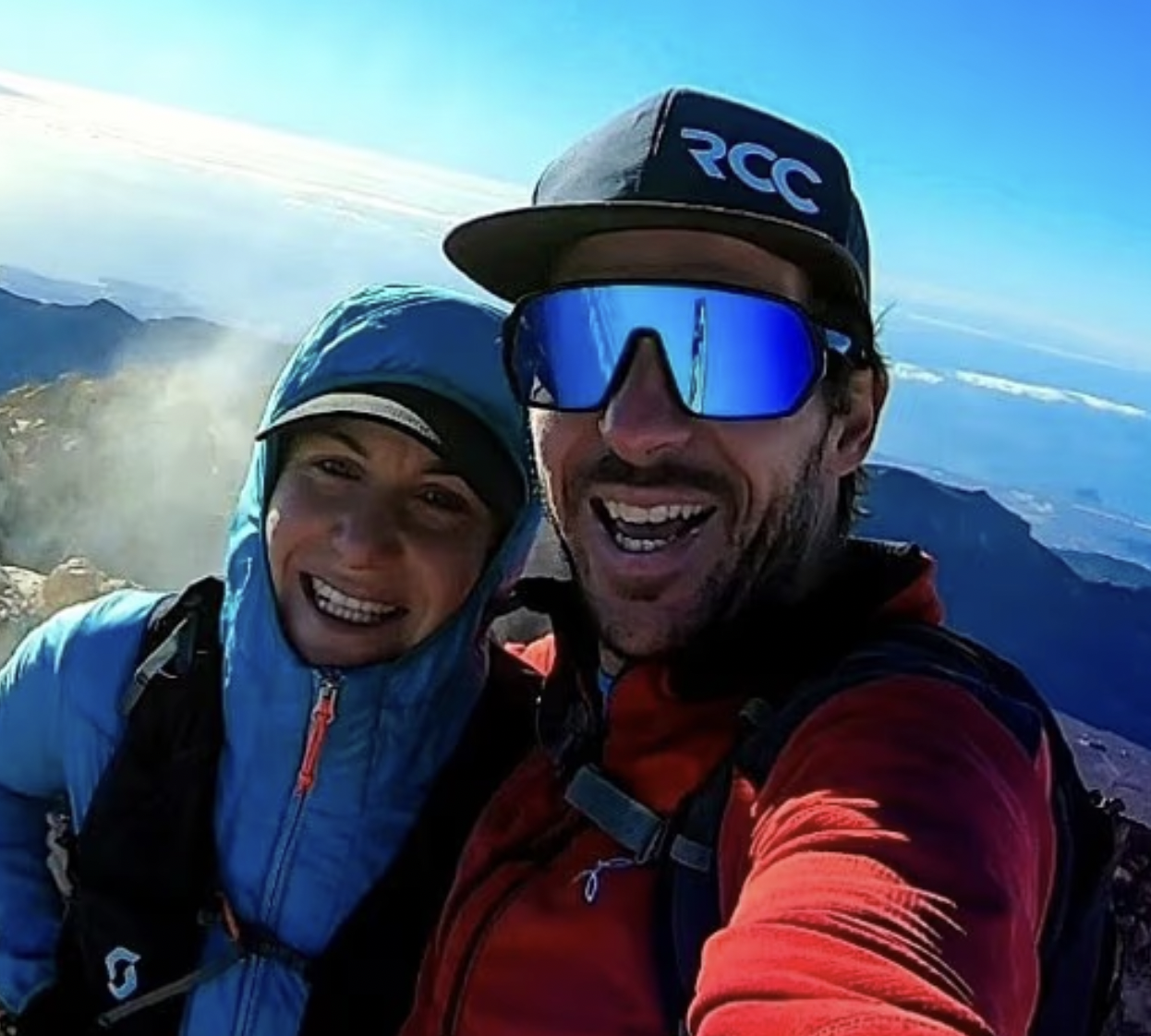
Grossglockner has long been regarded as a demanding climb, particularly during winter months when icy terrain and strong winds create additional hazards. Rescue operations in the area are often difficult due to limited visibility and extreme environmental conditions.
The emotional details surrounding the final hours of the couple’s climb have continued to attract public attention, especially after reports about Gurtner’s last words and the legal outcome of the case became widely known.
While opinions remain divided about responsibility, the incident stands as another reminder of the serious risks that can accompany mountain climbing, even for individuals with experience in alpine environments.

