
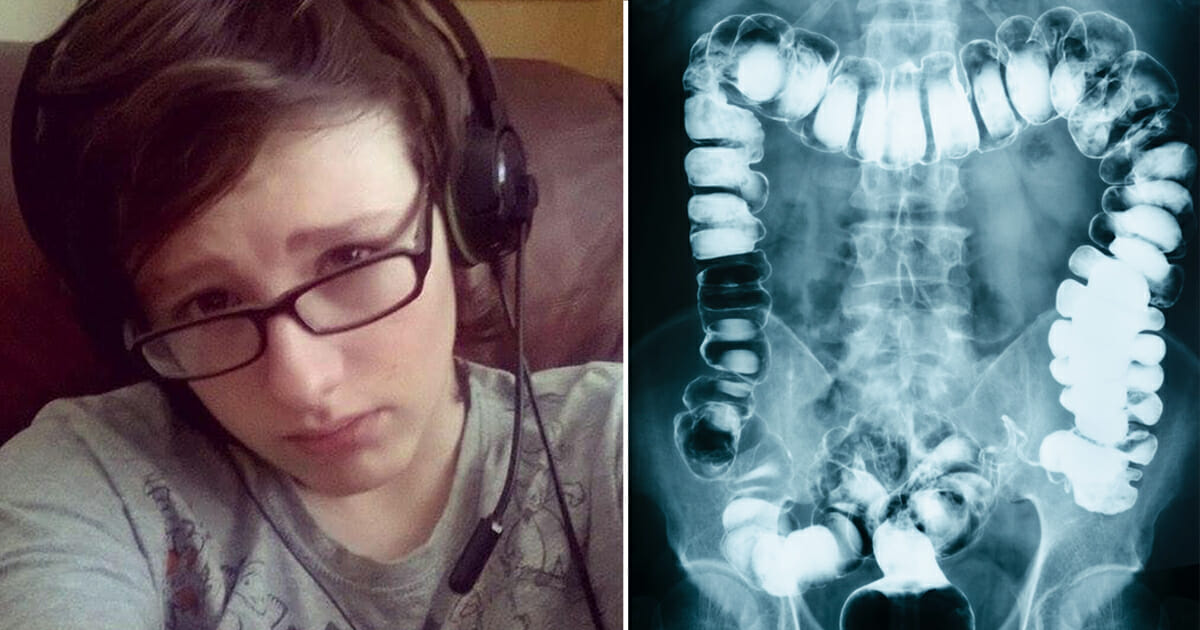
The tragic death of 17-year-old Jack Dunn has continued to raise awareness about diabetic ketoacidosis and the importance of recognizing serious underlying medical conditions that may initially appear to be something less severe.
In 2019, Jack Dunn, a teenager from Porth, Wales, was taken to the hospital after suffering from intense stomach pain that had become so severe he could barely walk. Concerned about his condition, his family sought emergency medical attention, hoping doctors would quickly identify the cause of his symptoms.
According to his parents, hospital staff carried out examinations and scans to investigate possible causes of the pain, including appendicitis. However, the tests performed at the time did not reveal an obvious explanation for his condition. Doctors reportedly concluded that Jack was experiencing severe constipation and prescribed laxatives before sending him home.
His father later recalled how much pain Jack had been in during the hospital visit, describing how difficult it had become for him to move comfortably. The family trusted the medical advice they were given and believed the issue had been properly assessed.
However, within just 24 hours of returning home, tragedy struck. Jack was found unresponsive in his bed by his father. The sudden loss devastated the family and left them searching for answers about what had really happened.
It was later determined that Jack had been suffering from diabetic ketoacidosis, often referred to as DKA, a serious and potentially life-threatening complication commonly associated with untreated or undiagnosed type 1 diabetes.
Diabetic ketoacidosis occurs when the body cannot produce enough insulin to properly use glucose for energy. As a result, the body begins breaking down fat for fuel, leading to the production of ketones. When ketone levels become too high, the blood can become dangerously acidic, placing significant stress on organs and body systems.
Medical experts note that DKA can develop rapidly and requires urgent treatment. Symptoms may include severe abdominal pain, fatigue, nausea, confusion, unusual thirst, frequent urination, rapid breathing, and difficulty breathing. In some cases, the symptoms can initially resemble other common illnesses, which may complicate diagnosis if proper testing is not performed.
According to Jack’s father, one of the warning signs during the hospital visit was his son’s difficulty breathing. However, the family said this was believed to be related to anxiety at the time, rather than a medical emergency caused by ketoacidosis.
Jack’s father later explained that the breathing difficulties were likely connected to his organs beginning to fail as the condition progressed. The family believes that if additional tests, particularly a blood glucose test, had been carried out earlier, the diagnosis may have been made in time for treatment to begin.
Diabetic ketoacidosis is treatable when identified quickly. Standard treatment generally includes insulin therapy, fluids, and careful monitoring to stabilize the body’s chemical balance. Early recognition is considered critical in preventing severe complications.
The case has since become part of broader conversations about medical awareness and the importance of considering diabetes-related complications even when symptoms may appear linked to more routine conditions. Health organizations often encourage awareness of DKA symptoms because prompt testing can make a significant difference in outcomes.
Jack’s family has spoken publicly about their experience in hopes of helping others recognize the signs of the condition and encouraging timely medical evaluation. They have emphasized the importance of listening carefully to symptoms that appear unusually severe or rapidly worsening.
Medical professionals also stress that abdominal pain combined with breathing difficulties, dehydration, and extreme fatigue should be carefully assessed, especially in younger individuals who may not yet know they have type 1 diabetes.
The loss of Jack Dunn deeply affected his family and community. His story continues to serve as a reminder of how quickly diabetic ketoacidosis can become dangerous when left undiagnosed and untreated.
By sharing information about the warning signs of DKA, health advocates hope more people will recognize symptoms early and seek urgent medical attention when necessary. Increased awareness may help prevent similar tragedies and encourage more comprehensive testing when symptoms do not fully match common conditions.
Jack’s story remains an emotional example of the importance of early diagnosis, medical vigilance, and public education surrounding serious complications linked to diabetes.

