
Spanish actress Ana Obregón attracted widespread public attention in 2023 following a deeply personal and unconventional decision made after the death of her only son, Aless Lequio. Her choice to use his preserved sperm through surrogacy to have a child sparked both emotional responses and public debate, particularly due to the sensitive circumstances surrounding grief, legacy, and assisted reproduction.
Her son, Aless, passed away in 2022 at the age of 27 after battling cancer. His death had a profound impact on Obregón, who has spoken openly about the intensity of her grief and the difficulty of coping with the loss. In interviews following his passing, she explained that Aless had expressed a desire to become a father during his lifetime. This wish became central to her later decision-making.
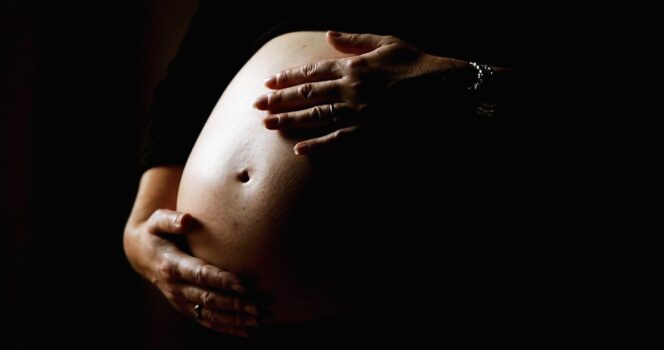
In 2023, Obregón revealed that she had fulfilled what she described as her son’s final wish by using his preserved sperm through a surrogate mother in the United States. The child born through this process was a baby girl named Anita. She later clarified publicly that Anita is not her biological daughter, but rather her granddaughter, conceived using Aless’ genetic material.
In an interview with ¡Hola!, Obregón stated, “This girl is not my daughter, she is my granddaughter. She is Aless’ daughter, and when she grows up I will tell her that her dad was a hero, so she knows who he is and how proud she should be of him.” Her comments reflected her intention to preserve her son’s memory through the child and to ensure that Anita would grow up aware of her origins.
The decision to pursue surrogacy attracted significant attention not only because of its emotional context, but also due to legal and ethical considerations. Surrogacy is not permitted under Spanish law, which led to the birth taking place in the United States. Following the child’s birth, Obregón later became her legal guardian through formal adoption procedures.
At the time of Anita’s arrival, Obregón was 68 years old. In later interviews, she described the experience as both emotionally healing and deeply complex. She has spoken about how caring for Anita brought a renewed sense of purpose after what she described as a period of profound emotional emptiness following her son’s death.
In subsequent public appearances, she has continued to reflect on both grief and recovery. She described feeling as though she had “lost all sense of life” after Aless passed away, stating in earlier interviews that she felt emotionally numb for an extended period. She explained that it was only after Anita’s birth that she began to reconnect with daily life in a meaningful way.
Despite this, she has also been clear that the loss of her son remains a permanent part of her life. In a later interview, she said, “I know I’ll never feel the happiness I had when Aless was with me again. That pain will never go away. You don’t accept or get over the death of a child. You just learn to live with it.” Her words reflect the long-term emotional impact of bereavement and the way grief continues even as life circumstances change.
Obregón has also shared more personal details about raising Anita. She described her home as being filled with toys and children’s items, emphasizing the active role she has taken in caring for the child. At the same time, she acknowledged the physical demands of raising a young child later in life, mentioning that everyday tasks such as lifting the child have become more challenging over time.
She has also reflected on how her experience with loss has influenced her emotional perspective while raising Anita. According to her statements, becoming a guardian after such a significant tragedy has made her more protective and emotionally sensitive than she was when raising her son.
Public reaction to her decision has been mixed, with some expressing sympathy for her grief and others raising questions about the ethical and legal dimensions of posthumous reproduction. The situation has prompted broader discussions in Spain and beyond about surrogacy laws, reproductive rights, and how societies navigate grief and legacy in cases involving assisted reproduction.
Throughout interviews and public statements, Obregón has consistently emphasized that her actions were driven by love for her son and a desire to honor what she understood to be his wishes. She has framed Anita’s birth as a continuation of family connection rather than a replacement for loss.
She has also made clear that Anita is growing up in an environment where her origins will be explained openly and honestly. Obregón has stated that she intends to ensure the child understands her background and the story of her father when she is old enough to do so.

In addition to her personal reflections, Obregón has acknowledged that grief does not follow a linear path. She has described the experience of losing a child as something that fundamentally alters one’s life, stating that it is not something a person “gets over,” but rather something they learn to live alongside over time.
Despite the pain she continues to carry, she has expressed gratitude for Anita’s presence in her life. She has described the child as bringing structure, responsibility, and emotional renewal during a period that was otherwise defined by loss.
As Anita grows, Obregón has continued to speak about the balance between joy and grief in her life. She has described her daily routine as shaped by both memories of her son and the responsibilities of caring for her granddaughter. This coexistence of mourning and caregiving has become a defining aspect of her public narrative.
The story has also contributed to ongoing public discussion about how individuals cope with grief in different ways. While some focus on remembrance or withdrawal, others seek meaning through new responsibilities or family connections. In Obregón’s case, her decision has become one of the most widely discussed examples of how personal loss can intersect with medical possibility and legal boundaries.
Ultimately, her experience reflects a complex combination of grief, love, ethical debate, and personal choice. It highlights how deeply personal decisions can become public topics of discussion when they intersect with broader social, legal, and cultural questions.
Through all of this, Obregón has maintained that her primary motivation remains her son’s memory and her commitment to ensuring that his presence continues in the life of the child she is now raising.

