
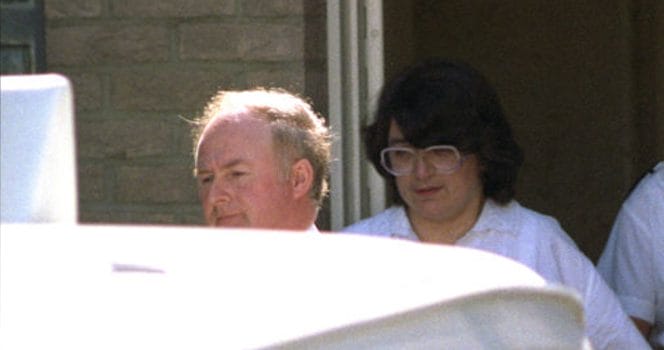
For more than two decades, one half of one of Britain’s most infamous criminal partnerships lived behind the appearance of an ordinary domestic life. Alongside her husband, Fred West, Rosemary West became responsible for a series of crimes that deeply shocked the United Kingdom. Their actions, which included multiple murders and prolonged abuse, left a lasting impact on public awareness of hidden violence within private homes.
Understanding how such a case developed requires looking beyond the crimes themselves and examining the early life and circumstances that shaped those involved.
Early Life and Family Background
Rosemary West was born in 1953 in North Devon, England, into a large family with six siblings. On the surface, the household appeared conventional. Her father, Bill Letts, had served in the Royal Navy, while her mother, Daisy, was described as quiet and reserved.
However, accounts of her upbringing suggest that life within the home was far from stable. Her mother experienced significant mental health challenges and underwent electroconvulsive therapy (ECT) during pregnancy. At the time, ECT was used as a treatment for severe depression, though its application—particularly during pregnancy—has since been widely debated in medical and ethical contexts.
There have also been reports, discussed in various investigations and publications, that Rosemary may have experienced abuse during her childhood. While such claims form part of the broader narrative presented in books and case studies, they are often difficult to verify in full detail. What remains clear is that her early environment was marked by instability and distress.
Observers of her childhood behavior noted patterns that appeared unusual, including repetitive movements and withdrawal into herself. While these details alone do not explain later actions, they are often referenced in attempts to understand her development.
Meeting Fred West
At the age of 15, Rosemary met Fred West, who was significantly older and already had a complex personal history. Their relationship began quickly and became serious within a short period of time. She moved into his household and took on responsibilities caring for his children.
Fred West himself had a documented history of violent and criminal behavior prior to their relationship. Reports indicate that he had committed serious offenses earlier in life and had a pattern of manipulation and control. These factors would later become central to discussions about the dynamics of their relationship.
The couple married in the early 1970s and began building a life together in Gloucester. Over time, they had multiple children and appeared, from the outside, to be a typical family.
Escalation of Criminal Activity
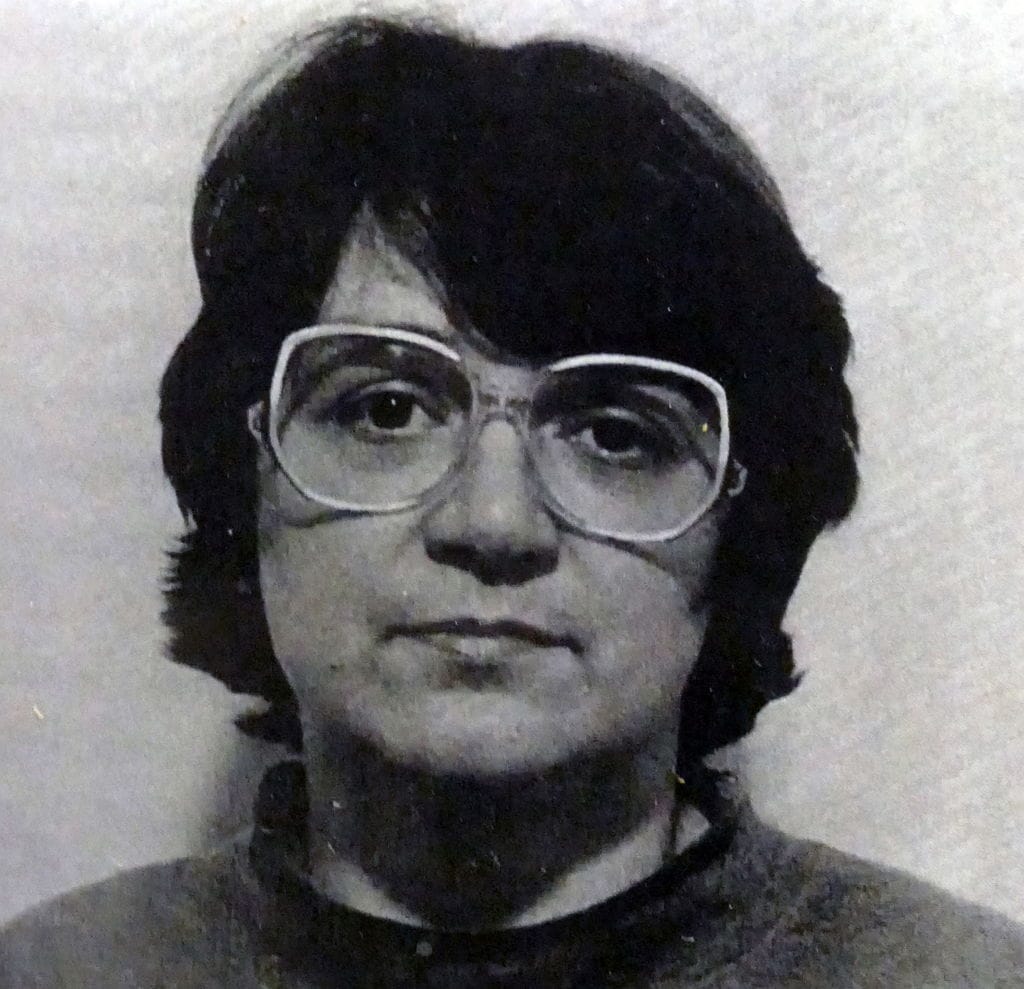
Behind closed doors, however, a very different reality was unfolding. Evidence later presented in court showed that the couple committed numerous crimes over a span of more than 20 years. Their victims included young women who were often brought into their home under false pretenses.
The crimes involved severe abuse and, in many cases, murder. Investigations later revealed that several victims were buried at or near the couple’s residence at 25 Cromwell Street in Gloucester.
Disturbingly, their own children were also subjected to abuse. Medical records indicated repeated injuries over the years, though these incidents were not consistently reported to authorities at the time. This aspect of the case has been widely discussed in relation to systemic failures in recognizing and responding to signs of abuse.
Discovery and Investigation
The case began to unravel in the early 1990s after one of their daughters confided in a friend about the situation at home. This led to increased scrutiny and eventually to police involvement.
Authorities obtained a warrant to search the property at 25 Cromwell Street. During the investigation, human remains were discovered, confirming long-standing suspicions. The findings led to the arrest of both Fred and Rosemary West in 1994.
Before he could stand trial, Fred West died in custody in January 1995. Rosemary West, however, proceeded to trial later that year.
Trial and Conviction
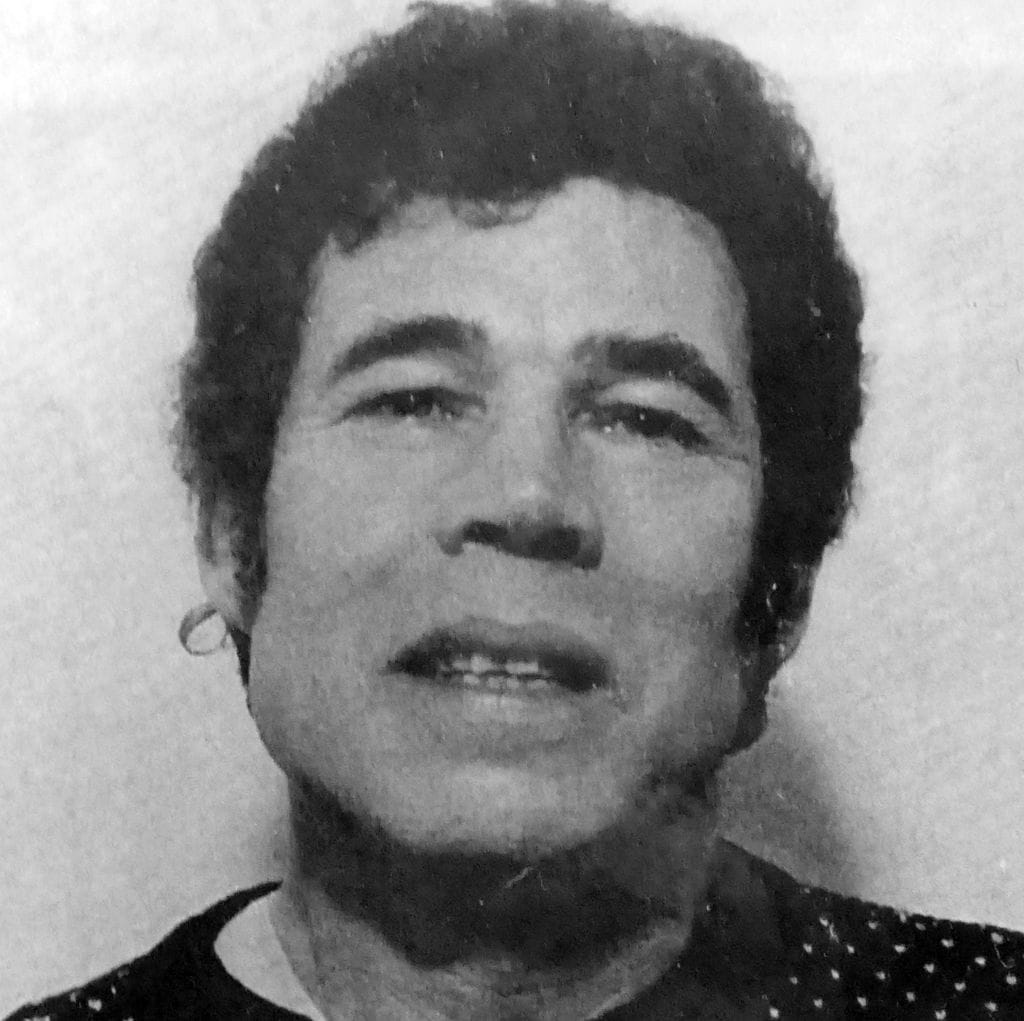
During her trial, Rosemary West maintained that she had not participated in the crimes and argued that she had been influenced or controlled by her husband. The defense presented her as someone who had been vulnerable due to her age when the relationship began and the environment she lived in.
The prosecution, however, presented extensive evidence, including testimony from witnesses and survivors, which indicated her active involvement. Statements from family members and others who had contact with the household contributed to the case against her.
After several weeks of proceedings, she was convicted on ten counts of murder and sentenced to life imprisonment without the possibility of parole. She has continued to deny responsibility and has made attempts to appeal the conviction, though these have not been successful.
Aftermath and Public Impact
The house at 25 Cromwell Street was demolished in 1996, becoming a symbol of the case and its aftermath. The crimes committed there had a profound effect on public awareness, particularly regarding hidden abuse and the importance of early intervention.
The case also prompted broader discussions about how warning signs—such as repeated injuries or reports of unusual behavior—can be overlooked. It highlighted the need for improved coordination between medical professionals, social services, and law enforcement.
Ongoing Attention and Legacy
Interest in the case has continued over the years through books, documentaries, and media coverage. Productions such as the Netflix series Fred and Rose West: A British Horror Story have introduced the case to new audiences, while also revisiting its details for those already familiar with it.
The long-term impact on surviving family members has also been noted in public discussions. Reports indicate that the trauma experienced by those affected continues to shape their lives, even decades later.
Conclusion
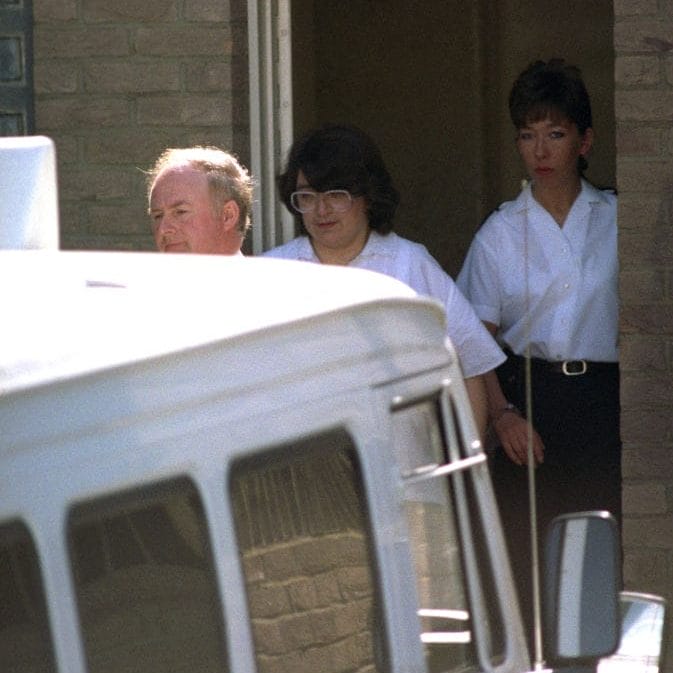
The story of Rosemary West and Fred West remains one of the most disturbing criminal cases in modern British history. It reflects not only the actions of two individuals but also the broader challenges of identifying and addressing abuse that occurs behind closed doors.
While attempts have been made to understand the factors that contributed to Rosemary West’s life and actions, no single explanation fully accounts for the scale and nature of the crimes. The case continues to be studied as an example of how complex personal history, environment, and individual choices can intersect with devastating consequences.

