
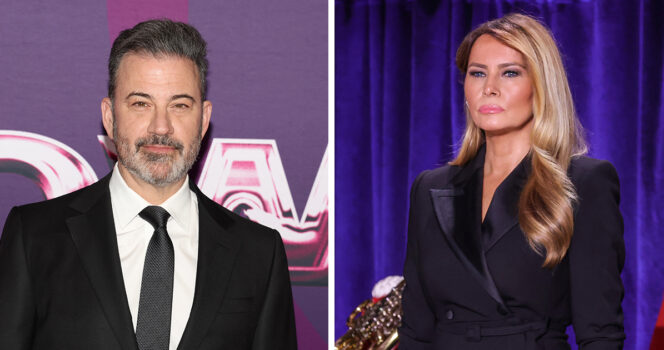
Jimmy Kimmel Addresses Reactions to Recent Joke About Donald and Melania Trump
Public reactions have followed recent remarks made by Jimmy Kimmel during an episode of his late-night program, sparking debate about the boundaries of comedy and political commentary. The discussion intensified after his joke referenced both Donald Trump and Melania Trump, particularly given the timing of unrelated but serious security concerns involving the former president.
Kimmel, known for his satirical monologues and long-standing commentary on political figures, addressed the situation directly during a subsequent broadcast. His response aimed to clarify the intention behind his remarks and to push back against claims that his joke crossed into inappropriate territory.
A Joke That Sparked Debate
During a recent taping of Jimmy Kimmel Live!, the host made a remark about Melania Trump while referencing her appearance. The comment, intended as part of his usual comedic monologue, quickly gained attention online. While some viewers interpreted it as typical late-night satire, others viewed it as insensitive, particularly in light of recent events involving heightened security concerns.
The controversy deepened because the joke aired only days before reports emerged of an attempted security breach at a high-profile event attended by Donald Trump. Although there has been no evidence connecting the two situations, the proximity in timing led to increased scrutiny of Kimmel’s words.
Public reaction was divided. Supporters of Kimmel argued that satire has long played a role in political discourse, especially in late-night television. Critics, however, suggested that jokes involving political figures should be handled with greater care, especially when tensions are high.
Context of the Security Incident
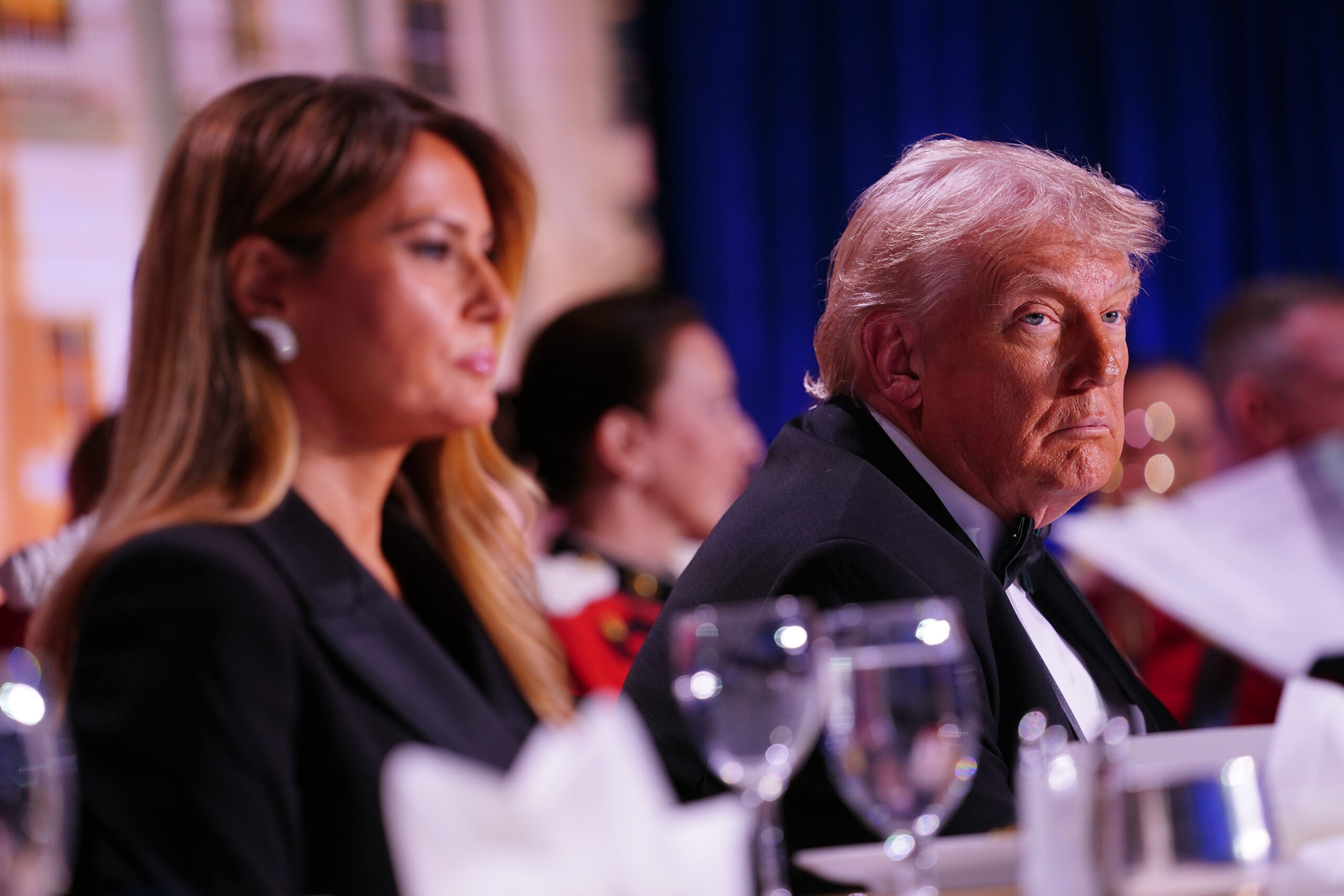
The broader reaction to Kimmel’s joke cannot be separated from the context in which it was received. Reports indicated that a security incident occurred at a major public event in Washington, D.C., involving an individual attempting to breach a checkpoint while carrying weapons. Authorities responded quickly, and the situation was contained before any harm occurred.
While investigations into the incident were ongoing, early reports suggested that the individual had written a manifesto outlining potential targets. Among those reportedly mentioned were political figures connected to the Trump administration. These details, though still under review at the time, contributed to heightened public sensitivity.
It is important to note that no official sources have suggested any connection between Kimmel’s remarks and the incident. However, the overlap in timing contributed to the intensity of the public response.
Reactions from Donald and Melania Trump
Donald Trump responded strongly to Kimmel’s comment, expressing his disapproval publicly. He called for consequences, arguing that the remark went beyond acceptable limits for television commentary. His response reflected a broader concern about the tone of public discourse, particularly when it involves political figures and their families.
Melania Trump also addressed the situation, which is relatively uncommon given her typically reserved public communication style. In a statement shared on social media, she criticized the tone of the joke and described it as harmful to public dialogue. Her response emphasized concerns about the broader impact of rhetoric in an already polarized environment.
These reactions further amplified the discussion, bringing additional attention to the role of comedians and media personalities in shaping public conversations.
Jimmy Kimmel’s Response
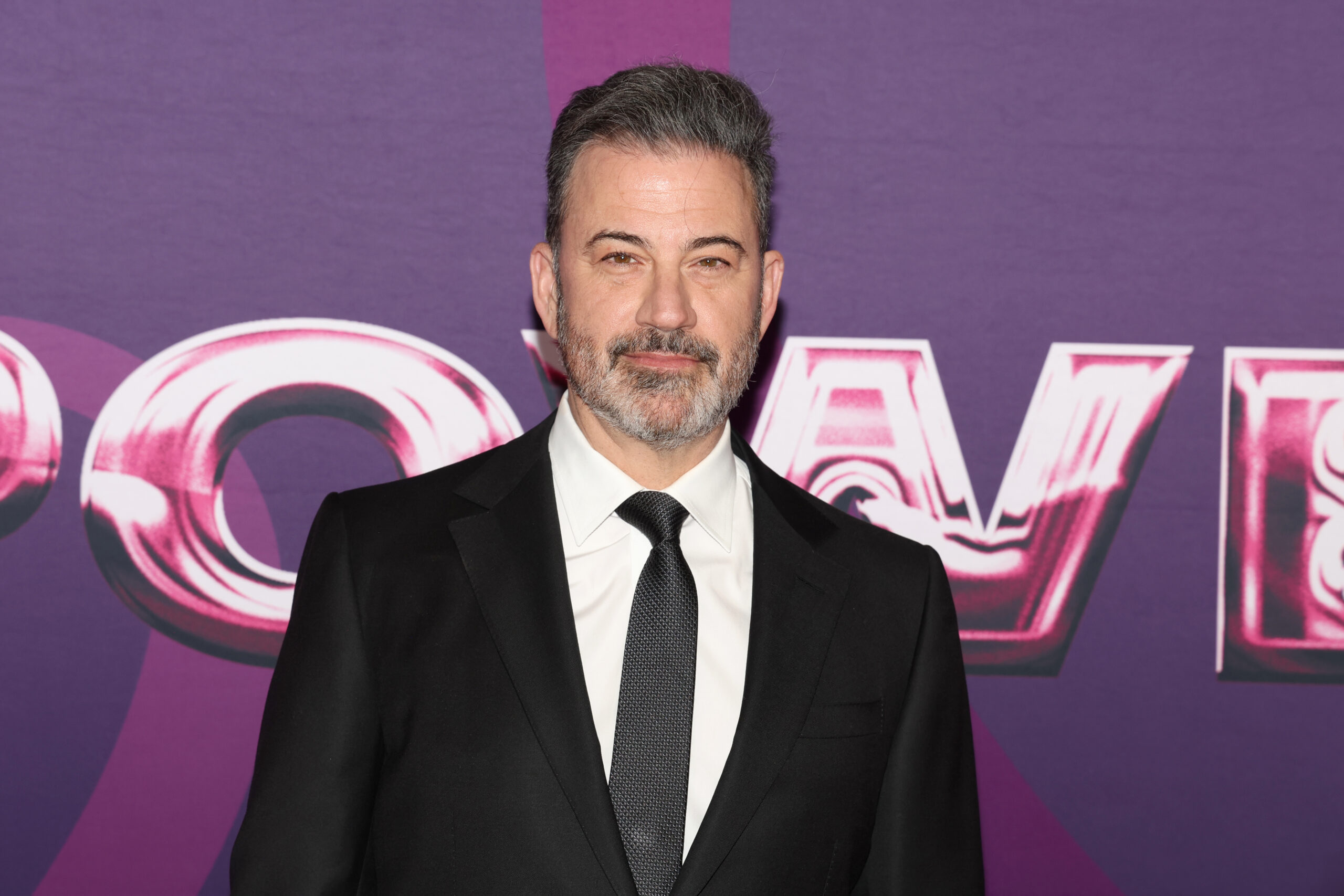
In response to the criticism, Jimmy Kimmel addressed the controversy directly during a later episode of his show. He described the comment as a “light roast joke” and clarified that it was not intended to suggest harm or violence in any form.
Kimmel emphasized that his comedic style often involves commentary on public figures, including political leaders, and that this approach has been consistent throughout his career. He also noted that satire is a longstanding tradition in entertainment, particularly in late-night programming.
Importantly, he rejected any suggestion that his joke could be interpreted as encouraging harmful behavior. He reiterated his position against violence and pointed to his past statements advocating for reduced gun violence and more responsible public discourse.
Kimmel also suggested that conversations about rhetoric should be applied broadly, encouraging all public figures to consider how their words influence public perception and behavior.
The Role of Satire in Public Discourse
The situation highlights an ongoing debate about the role of satire in modern media. Late-night television hosts have historically used humor to comment on political events, often blending entertainment with social critique. Figures like Jimmy Kimmel operate within this tradition, using comedy to engage audiences on current issues.
However, the boundaries of satire can become more complex during periods of heightened political tension. What one audience views as humor, another may interpret as inappropriate or harmful. This difference in perception often depends on personal beliefs, political alignment, and sensitivity to current events.
In this case, the timing of Kimmel’s joke played a significant role in shaping reactions. While the comment itself may have been consistent with his usual style, the surrounding context influenced how it was received.
Public Sensitivity and Media Responsibility
The broader discussion also reflects increasing awareness of how public statements—whether comedic or serious—can impact audiences. In an era of rapid information sharing, comments made on television can quickly reach global audiences, often without the nuance of their original context.
This environment places additional responsibility on public figures, including entertainers, to consider how their words may be interpreted. At the same time, it raises questions about how much responsibility should be placed on comedians, whose work traditionally involves pushing boundaries.
The balance between creative expression and public sensitivity remains a central issue in media discussions. Situations like this illustrate how that balance can shift depending on timing, context, and audience perception.
Ongoing Conversation
As the discussion continues, there has been no indication of formal consequences for Kimmel’s remarks. The situation remains part of a broader cultural conversation about humor, politics, and responsibility in media.
For some, the incident reinforces the importance of maintaining respectful discourse, especially during periods of uncertainty. For others, it highlights the need to preserve space for satire and free expression, even when it provokes disagreement.
Ultimately, the differing reactions demonstrate how public figures and audiences navigate complex intersections of humor and serious issues.
Conclusion
The response to Jimmy Kimmel’s joke about Donald and Melania Trump reflects more than a single moment in television. It illustrates the challenges of balancing satire with sensitivity in a rapidly changing media landscape.
While Kimmel has clarified his intentions and rejected interpretations that suggest harmful implications, the discussion surrounding his remarks continues to resonate. It serves as a reminder of how context, timing, and audience perception can shape the impact of public statements.
As conversations about media responsibility evolve, situations like this contribute to a broader understanding of how humor and public discourse intersect in modern society.

