
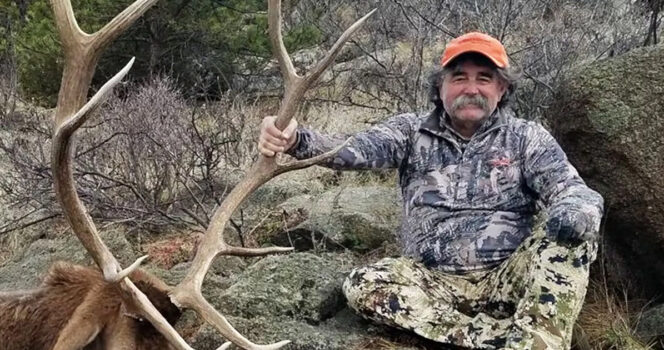
The family of Ernie Dosio, a vineyard owner from California who died during a hunting expedition in Central Africa, has spoken publicly following the incident, stating that several aspects of what happened remain unclear and difficult to understand.
Dosio, 75, lost his life after an encounter with elephants in a rainforest region of Gabon. According to information provided by the safari operator involved in the trip, the incident occurred during a guided hunting expedition in a remote area known for its dense vegetation and wildlife population. The same event also left a professional hunting guide seriously injured.
In comments shared with the media, Dosio’s former wife, Rinda Butler Dosio, explained that the family initially received conflicting reports about the circumstances surrounding his death. She described the early information as inconsistent and confusing, noting that different explanations were given before any clear account emerged.
She expressed concern about the way the situation was communicated, stating that legal representatives were informed before the family received a full explanation. According to her, this sequence of events contributed to the uncertainty and raised questions about how the information was handled.
The incident took place during a high-cost hunting trip in the Lopé-Okanda rainforest, a protected area in Gabon known for its biodiversity. Reports indicate that Dosio had arranged the expedition as part of a guided experience, where participants track specific wildlife under the supervision of licensed professionals.

During the outing, Dosio and his guide were reportedly moving through thick forest terrain while tracking a yellow-backed duiker, a type of antelope that inhabits dense rainforest environments. Visibility in such areas is often limited due to heavy vegetation, which can make encounters with wildlife sudden and unpredictable.
At some point during the expedition, the pair encountered a group of forest elephants. Accounts suggest that the animals were not visible until they were very close, likely due to the surrounding foliage. The group reportedly consisted of several adult elephants along with a calf.
Wildlife experts generally note that elephants, particularly females with young, can react defensively if they perceive a threat. In this case, it is believed that the herd responded quickly once they became aware of the humans nearby.
According to available reports, the elephants charged almost immediately. The professional guide was struck first and sustained serious injuries. During the incident, he reportedly became separated from his primary firearm, leaving him unable to respond effectively.

Dosio, who was carrying a shotgun intended for smaller game, was left in a vulnerable position. The type of equipment he had was not designed for large animals, especially in a close-range encounter within dense forest conditions. This combination of factors contributed to the severity of the outcome.
Following the incident, discussions began to circulate online, particularly after images of Dosio’s hunting history and trophy collection appeared on social media. These images included displays of animals he had hunted over the years, which led to a range of reactions from the public.
Some individuals criticized the practice of big game hunting, while others pointed out that certain forms of hunting are conducted under legal frameworks and may be linked to wildlife management and conservation efforts. This difference in perspective contributed to a broader debate about the role of hunting in modern conservation practices.
Public commentary increased further after a well-known public figure made a remark on social media that many people considered insensitive. The response to that comment was divided, with some criticizing the tone and others using the moment to discuss larger ethical questions related to wildlife and human interaction.
Dosio’s family has expressed concern about how he has been portrayed in the aftermath of his death. His son, Jeff Dosio, stated that the narrative surrounding his father has not accurately reflected the full context of his activities or the nature of the trip.
A longtime acquaintance also spoke in his defense, emphasizing that his hunting activities were conducted within legal boundaries and followed established guidelines. According to this perspective, the expedition was part of a regulated system that includes licensing, oversight, and adherence to conservation policies set by local authorities.
In many countries, controlled hunting programs are designed to manage wildlife populations and generate funding for conservation initiatives. These programs often involve strict regulations, including permits, quotas, and professional supervision. However, they remain a topic of ongoing debate, particularly when incidents like this occur.
Authorities are currently working to manage the logistical process following Dosio’s death, including arrangements to return his remains to the United States. This process typically involves coordination between local officials, international authorities, and diplomatic representatives.
The situation has also highlighted the inherent risks associated with activities in remote natural environments. Encounters with large wildlife can be unpredictable, especially in areas where visibility is limited and animals may feel threatened by human presence.
While guided expeditions are designed to reduce risk through planning and professional oversight, they cannot eliminate all potential dangers. Natural environments, particularly those involving large and potentially defensive animals, require careful navigation and awareness.
As investigations and administrative procedures continue, the family has indicated that they are still seeking clarity about the exact sequence of events. Their statements reflect both grief and a desire for a clearer understanding of how the incident unfolded.
At the same time, the case has contributed to broader public discussion about the balance between wildlife conservation, regulated hunting, and personal safety. It also underscores the complexity of interactions between humans and wildlife in natural habitats.
In the absence of fully detailed official findings, the information available remains based on initial reports and statements from those connected to the incident. Until further clarification is provided by relevant authorities, some aspects of the case may remain uncertain.
Overall, the death of Ernie Dosio represents a tragic outcome during a controlled but inherently risky activity. It serves as a reminder of the unpredictable nature of wildlife encounters and the importance of clear communication and transparency when such incidents occur.
For the family, the focus remains on understanding what happened and ensuring that accurate information is shared. For observers, the case continues to raise important questions about safety, responsibility, and the relationship between human activity and the natural world.

