
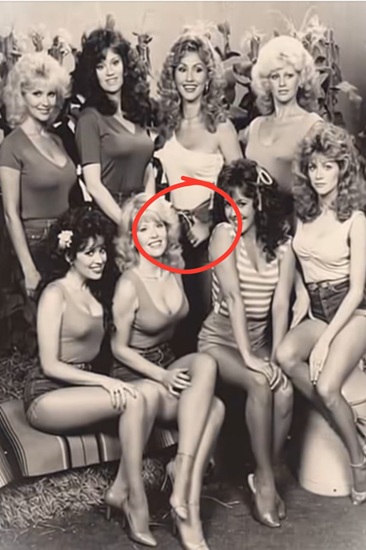
When Hee Haw first premiered in 1969, it entered a television landscape that was undergoing rapid cultural and social transformation. At a time when many programs were shifting toward urban themes and contemporary issues, this show carved out a distinct space by focusing on humor, country music, and rural American life. Its unique identity quickly made it a recognizable and enduring part of weekly entertainment for millions of viewers across the United States.
Created as a country-themed variety program, Hee Haw blended comedy sketches with live musical performances in a format that felt both simple and engaging. Unlike many shows of its era, which often leaned toward polished, city-centered storytelling, Hee Haw embraced small-town culture and rural humor. This approach allowed it to stand out in a crowded television environment and connect with audiences who saw their own experiences reflected on screen.
Each episode followed a consistent structure that combined short comedic segments, recurring characters, and musical interludes. This balance between humor and music gave the show a broad appeal, making it suitable for family viewing. The format was easy to follow and did not rely on complex narratives, which contributed to its accessibility across different age groups.
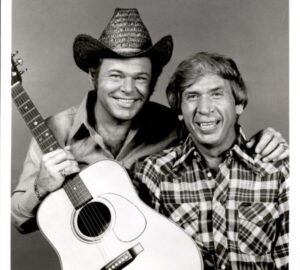
A defining element of the show was its cast. Country music stars Roy Clark and Buck Owens served as hosts, bringing both musical talent and natural on-screen chemistry. Their presence anchored the program and reinforced its connection to the country music genre.
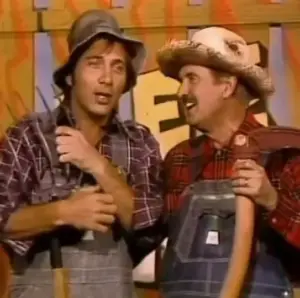
Alongside the hosts, the show featured a wide ensemble of comedians and performers. Figures such as Grandpa Jones and Minnie Pearl became iconic through their recurring appearances. Their distinctive personalities and comedic timing helped shape the show’s identity and contributed significantly to its long-term popularity.
The humor in Hee Haw was intentionally straightforward and approachable. It relied on wordplay, visual gags, and recurring segments that audiences could easily recognize. One of the most memorable features was the “Kornfield Jokes,” where performers delivered quick punchlines from a rural setting. These segments became a signature part of the show, reinforcing its playful and lighthearted tone.
Unlike many modern productions, Hee Haw was not heavily polished or overly scripted. Its unrefined and spontaneous style became part of its charm. Rather than striving for perfection, the show embraced a relaxed atmosphere that made it feel genuine and relatable. This approach allowed audiences to connect with the performers in a more personal way.
Music was central to every episode. The program regularly featured live performances of country, bluegrass, gospel, and folk music. These segments not only entertained viewers but also served as a platform for showcasing traditional American musical styles. Both established artists and emerging performers appeared on the show, helping to maintain the visibility of country music during a time of changing musical trends.
The combination of comedy and music created a dynamic viewing experience. Audiences could move seamlessly from laughter to musical appreciation within a single episode. This variety format was a key factor in the show’s longevity, as it appealed to multiple interests at once.
Beyond entertainment, Hee Haw reflected aspects of rural and small-town life. Its sketches often depicted everyday situations such as farming, family interactions, and community gatherings. While these portrayals were exaggerated for comedic effect, they resonated with viewers who recognized elements of their own lives in the content.
Another important aspect of the show was its role in bringing families together. During its peak years, it became common for households to gather around the television to watch each episode. This shared viewing experience contributed to its cultural significance, turning it into more than just a program—it became a weekly tradition for many families.
The tone of Hee Haw remained consistently light and non-controversial. Even when it touched on everyday struggles, it did so in a playful and humorous way. This consistency allowed it to maintain a wide audience across different regions and backgrounds, avoiding the divisiveness that sometimes affected other programs.
Over time, the show came to represent a broader cultural identity. It highlighted values such as community, humor in daily life, and an appreciation for traditional music and storytelling. These elements helped it maintain a loyal audience even as television trends evolved.
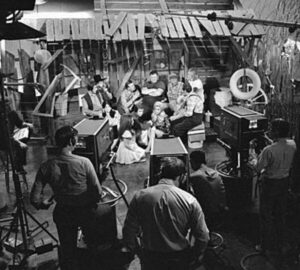
The program also played a meaningful role in preserving country music. By featuring live performances on a regular basis, it kept traditional sounds visible during a period when popular music was becoming increasingly diverse. This contribution has been recognized as an important part of its legacy.
As television continued to change, Hee Haw remained on the air for many years, adapting only slightly while keeping its core format intact. Its longevity can be attributed to its consistent approach and the strong connection it built with its audience. Viewers who appreciated its nostalgic and family-friendly tone continued to support it over time.
Even after its original run ended, the show’s influence did not disappear. Reruns, archived footage, and streaming platforms have introduced Hee Haw to new generations. For many modern viewers, it serves as a snapshot of American entertainment during the late 20th century, offering insight into the styles and values of that era.
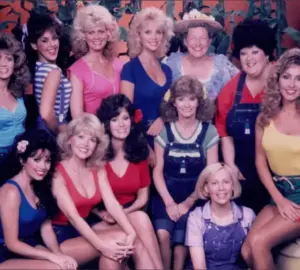
From a cultural standpoint, Hee Haw stands as an example of the variety show format that once dominated television. It belongs to a broader tradition of programs that combined music, comedy, and performance into a single weekly experience.
Its influence can still be seen in contemporary entertainment, particularly in shows that blend humor with musical elements. The format it helped popularize continues to shape how audiences engage with multi-genre programming.
Ultimately, Hee Haw remains an important part of television history. Its success was rooted not in complexity, but in simplicity. By offering humor, music, and a sense of community, it created a connection with viewers that endured for decades.
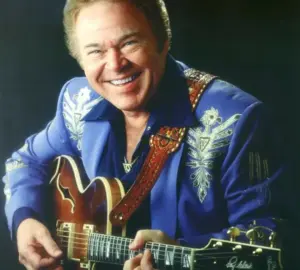
Its legacy serves as a reminder that meaningful entertainment does not always require elaborate production. Sometimes, the most lasting impact comes from celebrating everyday life, shared laughter, and the universal appeal of music and storytelling.

