
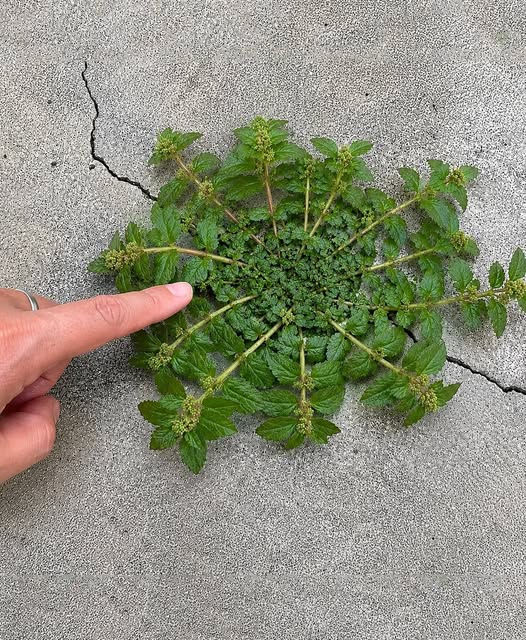
“One Leaf of This Plant Is Worth a Gold Mine!” — Separating Hype From Reality
Understanding the Viral Claims Around “Miracle Plants”
In the age of social media, dramatic health headlines spread faster than ever. Posts often appear claiming that a single leaf from a certain plant holds extraordinary value or power, sometimes described in ways that suggest it can completely transform a person’s health.
These viral claims frequently suggest that one leaf can cure serious diseases, melt body fat, reverse aging, or even replace the need for medical treatment altogether. The language is designed to be shocking and attention-grabbing, encouraging people to believe they have discovered something rare and life-changing.
In reality, these statements are highly exaggerated. While plants are indeed important to human health and have been used for centuries in food and traditional practices, no ordinary plant leaf has the ability to perform such extreme or miraculous functions on its own.
Understanding where these claims come from and why they spread is essential to separating fact from fiction in a digital world filled with misinformation.
Why These Claims Spread So Quickly Online
Viral plant stories succeed because they tap into emotions and beliefs that many people already hold. The idea of something natural being able to solve complex health problems feels comforting and simple compared to medical treatments or long-term lifestyle changes.
Plants are often associated with purity, tradition, and healing. Many cultures have used herbs and plants for generations, which adds a sense of trust and familiarity. This makes it easier for exaggerated claims to sound believable, even when they are not supported by reliable evidence.
Another reason these stories spread is their simplicity. A single leaf promising dramatic results is far easier to share and remember than detailed explanations about nutrition, metabolism, or medical science.
Social media platforms also reward attention-grabbing content. Posts that promise extreme results tend to be shared more widely, regardless of whether they are accurate. Over time, repetition can make even unrealistic claims feel convincing to audiences who see them repeatedly.
This combination of emotional appeal, cultural trust in nature, and digital amplification creates the perfect environment for misinformation to grow.
What Plants Can Actually Do for Human Health
Although viral claims are often exaggerated, it is important to recognize that plants do play a meaningful role in health and nutrition. Many plants contain natural compounds that can support the body in different ways when included as part of a balanced diet.
For example, mint is commonly used for its refreshing flavor and may help support digestion and fresh breath. Basil is known for containing antioxidant properties that contribute to overall nutritional value. Aloe vera has been widely used for soothing skin and providing relief in topical applications.
These examples show that plants can offer real benefits, but those benefits are typically supportive rather than transformative. They contribute to wellness in gradual and balanced ways rather than producing immediate or extreme results.
Plants are also valuable because they provide nutrients, fiber, and natural compounds that work together within the context of a full diet. Eating a variety of plant-based foods is generally associated with better overall health outcomes, not because of a single “miracle” ingredient, but because of long-term dietary balance.
The key distinction is that plants support health rather than replace broader medical or nutritional needs. They are part of a larger system of care, not standalone solutions to complex conditions.
Common Warning Signs in Viral Health Claims
Many viral posts about “miracle plants” follow similar patterns that can help identify them as unreliable. One common sign is the use of dramatic or absolute language that promises unrealistic outcomes.
Statements suggesting that a plant can “cure everything naturally” or “work overnight” are designed to attract attention rather than reflect realistic outcomes. Health improvements, when they occur, usually take time and involve multiple factors rather than a single solution.
Another frequent pattern is framing a plant as something hidden or suppressed, often implying that it is being ignored despite having extraordinary abilities. This type of messaging is meant to create curiosity and urgency, encouraging people to believe they are discovering information that others do not want them to know.
Some posts also use emotionally charged phrases suggesting life-changing results from extremely simple actions, such as consuming a single leaf. These claims tend to oversimplify how the body works and how health conditions develop.
When information sounds too easy, too fast, or too powerful to be true, it is often a sign that it has been exaggerated for attention rather than based on scientific understanding.
Health Support Versus Medical Treatment
Plants and herbs can be valuable additions to a healthy lifestyle, but they are not substitutes for proper medical care. The human body is complex, and many health conditions require professional diagnosis and treatment.
Nutrition from plants can support general wellness by contributing vitamins, minerals, fiber, and natural compounds that help the body function properly. These elements work best as part of a consistent and balanced diet rather than as isolated remedies.
However, serious health conditions such as diabetes, high blood pressure, infections, or cancer require structured medical attention. Relying on unverified plant-based claims instead of professional care can delay treatment and worsen outcomes over time.
The difference lies in support versus replacement. Plants can support health, but they cannot replace medical systems designed to diagnose and treat complex conditions.
Understanding this distinction is essential when evaluating claims that suggest natural products alone can solve serious health problems.
The Potential Risks of “Natural” Remedies
One of the most common misconceptions about plant-based remedies is that “natural” automatically means safe. In reality, natural substances can still have strong effects on the body, and those effects are not always beneficial when used incorrectly or excessively.
Some herbs or plant extracts can interact with medications, potentially altering how those medications work in the body. This can lead to unintended consequences, especially for individuals managing ongoing health conditions.
In other cases, certain plant substances may trigger allergic reactions or cause digestive discomfort if consumed in large amounts. Even commonly used herbs can become problematic when used without balance or proper understanding.
The idea that more is always better is particularly misleading when it comes to natural remedies. The body responds to dosage and balance, not just the origin of a substance. Overuse of even familiar plant-based ingredients can lead to unwanted side effects.
Because of this, it is important to approach plant-based health claims with the same caution applied to any other form of health information. Natural origin does not automatically guarantee safety or effectiveness.
A More Balanced Way to View Plant-Based Wellness
Instead of focusing on the idea of miracle plants or single-leaf solutions, a more realistic approach to wellness involves consistency and variety. Health is built through long-term habits rather than isolated actions.
Incorporating a wide range of fruits, vegetables, and plant-based foods into daily meals provides the body with diverse nutrients. This variety supports overall functioning in a way that no single ingredient can achieve on its own.
Herbs and plants can also be used to enhance meals through flavor and nutritional contribution. They add value when they are part of a broader dietary pattern rather than being treated as standalone cures.
Equally important is focusing on sustainable lifestyle habits. Regular movement, balanced nutrition, hydration, and rest all play interconnected roles in maintaining health over time.
This approach emphasizes gradual improvement rather than instant transformation. It reflects how the body naturally responds to consistent care rather than dramatic, short-term interventions.
Conclusion: Separating Myth From Meaningful Health Practices
Viral claims suggesting that a single plant leaf holds extraordinary power often rely on exaggeration rather than evidence. While plants are undeniably important for nutrition and wellness, their true value lies in consistent use as part of a balanced lifestyle.
Mint, basil, aloe, and many other plants offer real but moderate benefits that support the body in practical ways. They contribute to overall well-being without replacing medical care or solving complex health conditions on their own.
The spread of “miracle plant” narratives highlights the importance of critical thinking in a digital world where information travels quickly and often without verification. Understanding how these claims are constructed helps reduce the risk of being misled by appealing but unrealistic promises.
Ultimately, sustainable health is not found in a single leaf or instant solution. It is built through steady habits, informed choices, and a balanced understanding of what nature can genuinely provide.
Nature does offer valuable support, but its true strength lies in consistency, not mythology. Real wellness grows from long-term care, not miracle shortcuts.

