
Clothing is often seen as a practical necessity or a way to present ourselves neatly to the world, but in reality, it goes much deeper than appearance. The choices we make in what we wear can reflect our emotions, our identity, and even our mindset in subtle yet meaningful ways. What we reach for in our wardrobe is rarely random. It is shaped by how we feel, how we see ourselves, and how we want others to perceive us.
Think about the moments when you open your closet and instinctively choose one outfit over another. There are days when you gravitate toward something soft and comfortable, especially when you feel overwhelmed or need a sense of calm. On other days, you might select something structured and bold because it gives you a sense of confidence and control. These decisions often happen without much thought, yet they reveal something important about your inner state.
It is not always about fashion trends, brand names, or price tags. In many cases, the outfit that makes someone feel their best has little to do with external validation. Instead, it connects to something internal—comfort, confidence, or a sense of alignment with who they are. On the other hand, even a “perfect” outfit by conventional standards can feel uncomfortable or inauthentic if it does not match how a person truly feels.
This is because personal style functions almost like a quiet language. Without saying a word, it communicates aspects of personality, mood, and identity. The way someone dresses can reflect whether they value creativity, structure, tradition, independence, or self-expression. These signals are often subtle, but they are consistently present.
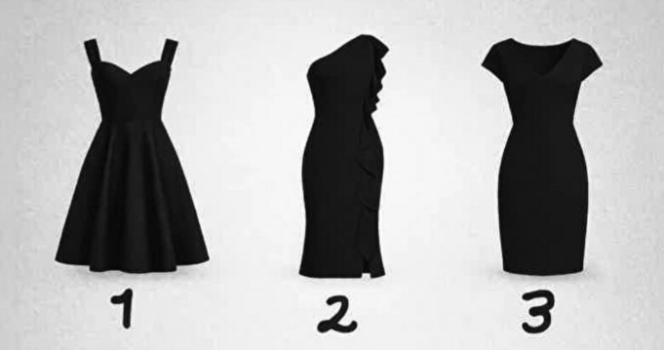
To explore this idea further, imagine a simple scenario. Picture six black dresses placed in front of you. There are no labels, no trends to guide you, and no expectations to influence your choice. You are simply asked to pick the one that feels right to you. This kind of thought experiment has gained attention because it encourages people to rely on instinct rather than external influence.
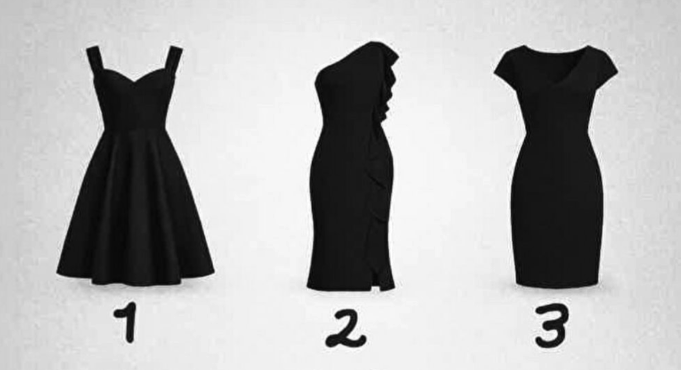
Each choice can be interpreted as reflecting a different aspect of personality or mindset.
If someone is drawn to a dress that feels soft, flowing, or delicate, it may suggest a personality that is emotionally aware and attentive to detail. These individuals often notice things others overlook, such as subtle changes in tone or atmosphere. They may value empathy and connection, and others often feel comfortable opening up to them. Their presence can be calming, and their style tends to reflect authenticity rather than a desire to stand out.
Choosing a dress that feels unconventional or bold in a nontraditional way may point to a strong sense of independence. This type of person is less concerned with fitting into expectations and more focused on staying true to themselves. They often prioritize meaningful relationships over social approval and prefer depth over surface-level interactions. Their clothing choices may reflect individuality and a willingness to express themselves without hesitation.
A more structured and refined dress might appeal to someone who values organization and reliability. These individuals often approach life with a clear sense of direction and responsibility. They are dependable and tend to plan ahead, finding confidence in preparation. Their style is usually intentional, reflecting a preference for clarity and purpose rather than spontaneity.
For others, a classic and timeless design may feel most appealing. This choice can indicate a personality that values stability, sincerity, and tradition. These individuals are often seen as trustworthy and grounded. They may not feel the need to follow changing trends, instead preferring styles that remain consistent over time. Their presence can bring a sense of calm and familiarity to those around them.
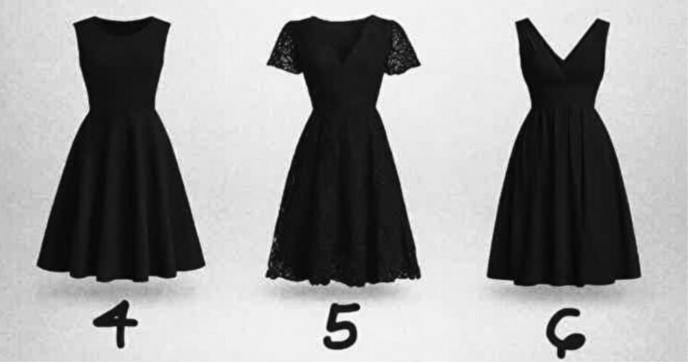
A more artistic or unique design may attract those who enjoy creativity and exploration. These individuals often think in unconventional ways and find inspiration in unexpected places. They may see connections and patterns that others miss, and their clothing can serve as a form of personal expression. Even simple outfits may include distinctive elements that reflect their perspective.
Finally, a bold and striking dress may resonate with individuals who naturally take initiative and lead. These people often feel comfortable making decisions and moving forward, even in uncertain situations. Their presence can be noticeable without effort, and others may look to them for direction. Their style often reflects confidence and clarity, emphasizing strong lines or standout features.
It is important to remember that these interpretations are not fixed categories. Most people will see themselves reflected in more than one description, depending on their mood, experiences, and current stage of life. Human personality is complex, and it cannot be fully captured by a single choice or label.
The purpose of this type of exercise is not to define someone completely but to encourage reflection. It highlights how even small, everyday decisions can be influenced by deeper feelings and personal identity. It also shows that style is not just about appearance—it is about alignment.
When people feel comfortable and authentic in what they wear, it often shows in their behavior. Confidence becomes more natural, posture improves, and interactions feel more genuine. On the other hand, when someone wears something that does not feel like “them,” it can create a sense of discomfort that affects how they carry themselves.
This connection between clothing and self-perception is supported by the idea that external choices can influence internal states. Wearing something that aligns with personal identity can reinforce a sense of self, while mismatched choices may create subtle tension.
At the same time, it is useful to approach these ideas with balance. While clothing can reflect aspects of personality, it does not define a person entirely. People are influenced by many factors, including experiences, relationships, and personal growth. Style is simply one of many ways these influences can be expressed.
Another key takeaway is the importance of dressing for oneself rather than for external approval. Social expectations and trends can sometimes create pressure to conform, leading people to choose clothing that does not truly reflect who they are. Over time, this can create a disconnect between appearance and identity.
Choosing clothing based on personal comfort and authenticity can help reduce this disconnect. It allows individuals to express themselves more freely and feel more at ease in their daily lives. This does not mean ignoring all external influences, but rather finding a balance between inspiration and personal preference.
The idea of instinct plays a central role here. When people trust their instincts, they are more likely to choose what genuinely suits them. This can apply not only to clothing but to other areas of life as well. Developing this sense of awareness can lead to more confident and consistent decision-making.
In the end, the simple act of choosing a dress—or any piece of clothing—can reveal small but meaningful insights about how someone feels and how they see themselves. It is not about finding a “correct” answer or fitting into a specific category. Instead, it is about understanding the connection between external choices and internal identity.
The most important conclusion is that personal style should feel natural and supportive rather than forced or performative. When people stop focusing on meeting expectations and start focusing on what feels right to them, confidence often follows.
This shift does not require dramatic changes. It can begin with small, intentional choices—paying attention to what feels comfortable, what inspires confidence, and what reflects personal values. Over time, these choices can create a style that feels both authentic and effortless.
Ultimately, clothing is more than just fabric and design. It is a reflection of identity, mood, and self-expression. By paying attention to these connections, individuals can better understand themselves and make choices that support both their appearance and their sense of self.

