
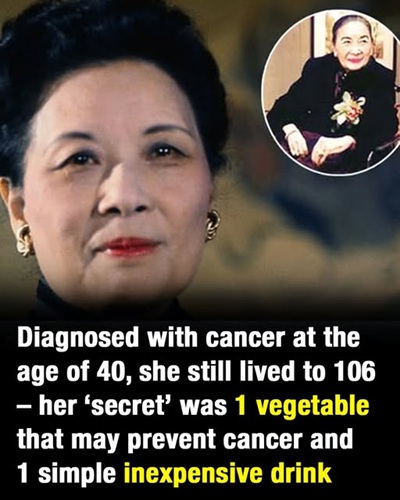
Soong Mei-ling, widely known as Madame Chiang, remains one of the most influential and intriguing women of the twentieth century. Her life spanned more than a century, and she is remembered not only for her political influence and intelligence but also for her longevity and disciplined way of living.
She was born in 1898 in Shanghai into the well-known Soong family, a household that blended traditional Chinese values with strong Western influences. This unique upbringing played a significant role in shaping her worldview, preparing her for a life that would eventually intersect with major global events and political transformations.
Her father, a Methodist minister and businessman, placed great importance on education. As a result, she was sent to the United States, where she attended Wellesley College. There, she received a high-level education, graduated with honors, and became fluent in English. This fluency later became one of her greatest strengths, allowing her to communicate effectively with Western leaders and audiences.
Her Western education distinguished her from many of her contemporaries in China. At a time when global diplomacy required careful communication, her ability to bridge cultural and linguistic gaps gave her a unique advantage. She could speak directly to American officials and the public, helping to shape international perceptions during critical periods of conflict.
In 1927, her marriage to Chiang Kai-shek placed her firmly at the center of Chinese political life. This period was marked by internal divisions and external threats, making leadership both challenging and essential. Rather than remaining a symbolic figure, she became an active participant in political affairs.
She advised her husband on both domestic policies and international strategy, demonstrating confidence and political awareness. Her role extended far beyond that of a traditional political spouse, as she helped influence decisions during a time when China faced significant instability.
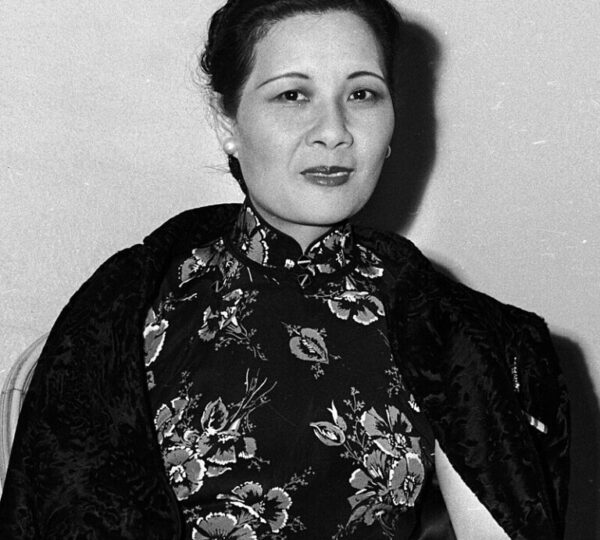
During the Second Sino-Japanese War and later World War II, she emerged as a powerful advocate for China on the international stage. She traveled to the United States to build support and strengthen alliances that were crucial to China’s resistance efforts.
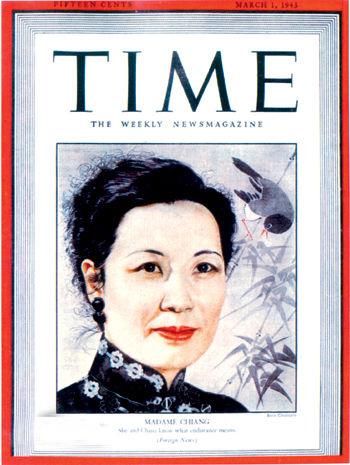
One of her most notable moments came in 1943, when she addressed the United States Congress. She became the first Chinese national and only the second woman to speak before both houses. Her speech was widely recognized for its clarity, composure, and persuasive power.
American audiences responded strongly to her presence. She was seen as a symbol of China’s resilience and determination during wartime. Her efforts helped secure both military and financial assistance from the United States, reinforcing the strategic partnership between the two nations.
Beyond politics, she was deeply involved in humanitarian work. She established schools and welfare programs, focusing particularly on children affected by war. Her efforts supported orphans and vulnerable populations who had been impacted by years of conflict.
Despite the demands of her public life, she maintained a strong sense of personal discipline. This discipline later became associated with her long life, as she lived to the age of 105, passing away in 2003 in New York City.
At around the age of forty, she was reportedly diagnosed with a serious illness, often described in historical accounts as cancer. However, detailed medical documentation is limited, and the exact nature of the illness is not fully confirmed. What is known is that she recovered and continued to lead an active life for many decades afterward.
Her longevity has often been attributed to several factors, including genetics, access to high-quality healthcare, and a consistent lifestyle built on moderation and routine. She followed structured daily habits, which provided stability even during times of stress.
One of the most frequently noted aspects of her routine was her commitment to regular sleep patterns. She went to bed and woke up at consistent times, ensuring that she received adequate rest. Modern research supports the importance of sleep in maintaining physical health and cognitive function.

Her mornings were typically calm and simple. She began her day with light nourishment and hydration, focusing on balance rather than excess. This approach reflected a broader philosophy of moderation that influenced many aspects of her life.
Instead of consuming large meals, she preferred smaller portions spread throughout the day. This eating pattern aligns with current nutritional approaches that emphasize portion control and metabolic balance. It also reflects the concept of eating until one feels moderately full rather than overeating.
Her diet included a variety of fresh foods, such as vegetables and fruits. She avoided excessive indulgence and focused on simplicity. Among the foods she reportedly enjoyed was celery, which is often mentioned in discussions about her diet.
Celery is known for its nutritional value, providing fiber, vitamins like vitamin K, and antioxidants. While it is a healthy food, it is important to recognize that no single ingredient determines longevity. Her overall dietary habits, rather than any specific food, contributed to her well-being.
Scientific studies have examined compounds found in celery, such as flavonoids like apigenin and luteolin. These compounds have been studied for their potential anti-inflammatory and antioxidant effects. However, most research remains preliminary, and further studies are needed to understand their impact on human health.
Madame Chiang’s approach to nutrition was not based on trends or extreme diets. Instead, it was grounded in consistency and balance over many years. This long-term approach is widely recognized as more sustainable and beneficial than short-term dietary changes.
Equally important was her dedication to mental activity. She believed that intellectual engagement played a key role in maintaining clarity and emotional stability. She spent time reading, painting, and reflecting, activities that kept her mind active.
Her interest in art, particularly traditional Chinese painting, continued throughout her life. Even in her later years, her work was exhibited, demonstrating her ongoing commitment to creativity.
This focus on mental engagement aligns with modern research, which suggests that cognitive activity can help reduce the risk of cognitive decline. Staying mentally active contributes to overall quality of life, especially in older age.
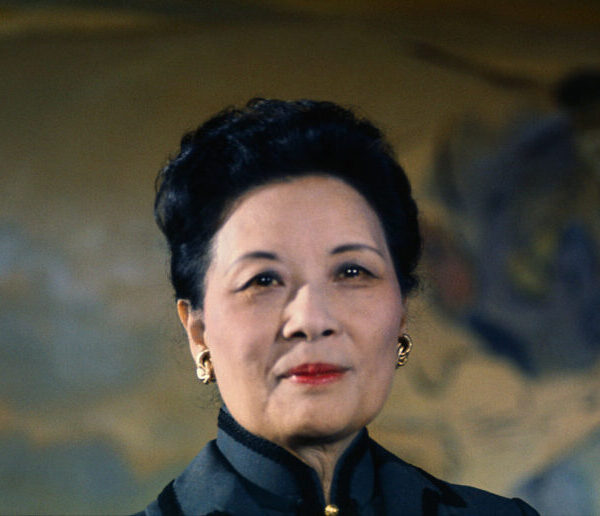
Social connection and a sense of purpose also played important roles in her life. Even after stepping back from formal political responsibilities, she remained engaged with cultural and public life.
Her continued involvement allowed her to maintain a sense of relevance and connection. This sense of purpose is often associated with improved mental and emotional health.
Her life also required significant emotional resilience. She lived through wars, political upheaval, and major global changes. Maintaining composure during such events required adaptability and inner strength.
Modern health research increasingly emphasizes the connection between emotional well-being and physical health. Managing stress is now recognized as an important factor in preventing chronic illness.
Her structured lifestyle likely helped her manage stress over the long term. While she faced intense pressures, her routines provided a sense of control and stability.
Her upbringing, which combined Eastern and Western influences, also shaped her approach to health. This cultural blend allowed her to adopt practices that emphasized moderation, balance, and continuous learning.
At the same time, it is important to recognize that her longevity cannot be attributed solely to personal habits. She had access to excellent healthcare, particularly in her later years in the United States. Her social and economic position also provided resources that supported a healthy lifestyle.
These factors highlight the importance of viewing her life within its broader context. While her habits are valuable, they are part of a larger set of circumstances that contributed to her long life.
Nevertheless, many aspects of her lifestyle remain relevant and accessible. Maintaining a consistent routine, eating balanced meals, and staying mentally engaged are practices that can benefit people in various circumstances.
Her emphasis on simple, whole foods aligns with modern nutritional advice. Reducing processed foods and focusing on fresh ingredients is widely recommended for long-term health.
Mindful eating, including paying attention to hunger and fullness, is also recognized as a sustainable approach to maintaining a healthy weight and metabolism.
Her dedication to lifelong learning serves as a reminder of the importance of intellectual curiosity. Staying engaged with new ideas and creative activities supports both mental and emotional well-being.
Ultimately, her life demonstrates that longevity is not the result of a single factor. It is shaped by a combination of habits, environment, and personal choices over time.
Her legacy continues to inspire people around the world. She is remembered not only for her political achievements but also for the way she approached life with discipline and balance.
For modern readers, her story offers practical insights into building healthy routines. Rather than seeking quick solutions, her example highlights the value of consistency and moderation.

Simple daily practices—such as regular sleep, balanced meals, and mental activity—can have a meaningful impact when maintained over time.
While no lifestyle can guarantee a long life, adopting these principles can improve overall well-being and quality of life.
Madame Chiang’s life serves as a reminder that health is an ongoing journey. It is shaped by daily habits, thoughtful choices, and the ability to adapt over time.
Her remarkable lifespan and enduring influence continue to encourage reflection on how individuals can create more balanced and meaningful lives.

